






Top-rated wrought iron workers.

Get matched with top wrought iron workers in Daingerfield, TX

Enter your zip and get matched with up to 5 pros

Need a pro for your wrought iron service project in Daingerfield, TX?

Select your specific project to find the pro for you.

Find Wrought iron workers in Daingerfield

...
Showing 1-10 of 65
Wrought Iron questions, answered by experts

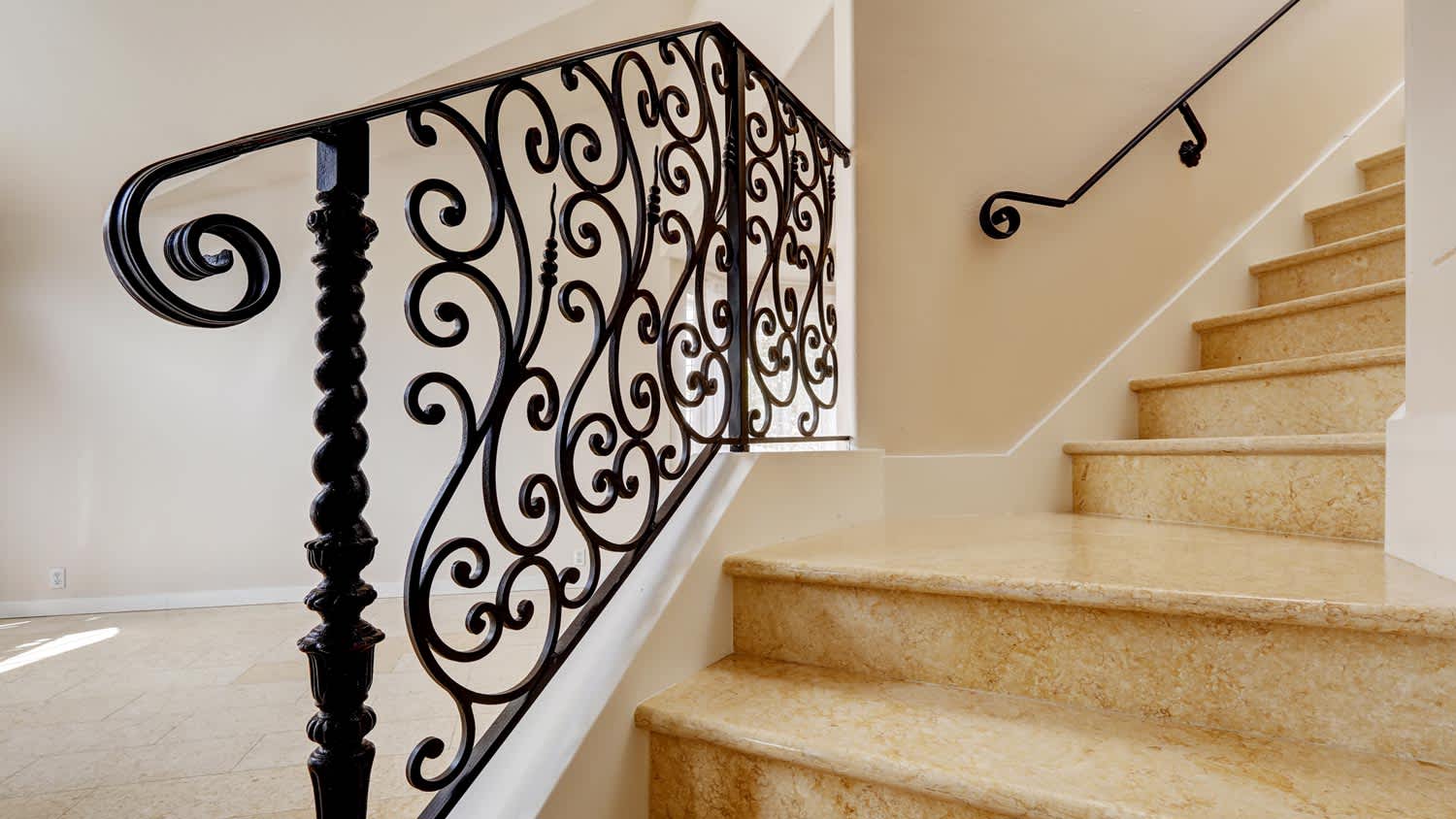
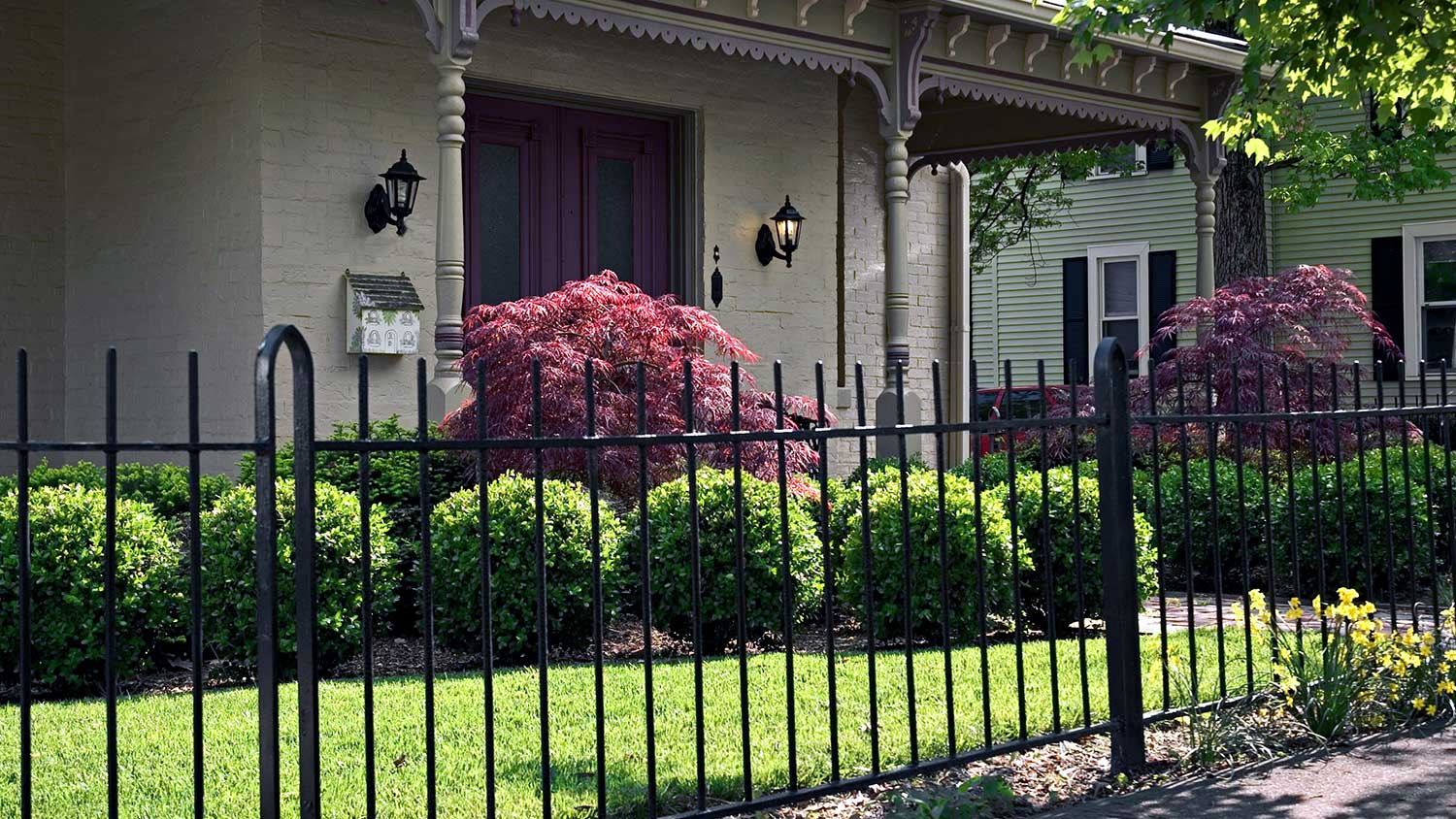
While many fence companies and fence material retailers refer to their metal fencing as wrought iron fencing, most of it is actually ornamental wrought iron fence. This means that the fence is made to look like traditional wrought iron but is actually made out of either steel or aluminum. Old wrought iron fences typically found at estate sales or on older properties are much heavier and much more prone to rust than the ornamental wrought iron that newer homes and fences use.

You’ll need to bury the garden fence about 1 foot underground. It’s tempting to save on materials by burying the fence just a couple of inches, but if you do so, determined pests will still be able to dig under the fence and access your plants. Burying your garden fence deep into the soil is an important step that allows you to attach a wire barrier to the fencing. 

Burrowing animals (like voles, moles, rabbits, and gophers) can’t dig or chew through this wiring, meaning that you’ll be keeping your prized petunias or your robust veggie garden from being eaten.

The most common type of metal fence today is one made of either steel or aluminum. These materials are relatively easy to fabricate, making them much more cost-effective than traditional metal fencing handmade from wrought iron. They’re also much lighter and easier to install, contributing to their affordability and making them more DIY-friendly.

No, fence posts aren’t always set in concrete. If you don’t want to use concrete footings for your posts, expanding foam is a popular alternative. Expanding foam and concrete each have certain pros and cons. For instance, foam is easier to install and more sustainable, but concrete is sturdier and less expensive.

Yes, fence posts need to be installed below the frost line to ensure stability and prevent heaving caused by freezing and thawing cycles. The frost line is the depth at which soil freezes during winter. By placing posts below this line, often around 3 to 4 feet deep or as recommended for your specific region, you reduce the risk of the ground shifting, which can lead to leaning or unstable fences. Adequate depth provides better anchoring and helps maintain the fence's integrity, ensuring it remains secure and upright throughout changing seasons.

The Daingerfield, TX homeowners’ guide to wrought iron services

From average costs to expert advice, get all the answers you need to get your job done.