




Top-rated wrought iron workers.

Best wrought iron workers near Longview, TX

Enter your zip and get matched with up to 5 pros

Need a pro for your wrought iron service project in Longview, TX?

Select your specific project to find the pro for you.

Top-Rated Wrought iron workers in Longview - Updated Nov 2026

Avatar for Blue Ribbon Fence
Blue Ribbon Fence
New to Angi
Wrought Iron Fence - InstallWrought Iron Fence - Repair or Weld

Serving Longview, TX and surrounding areas

Approved

In business since 2021

Free estimates

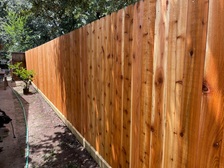
Here at Blue Ribbon Fence, We pride ourselves on our professionalism, as well as my ability to complete every job to the homeowner's total satisfaction. We never leave a job unfinished, or a homeowner not 100% satisfied with our level of service - Call today!

Response time1 day
Response rate90%
...
Showing 1-10 of 97
Wrought Iron FAQs, answered by experts

The ideal distance between fence posts depends on several factors, including the terrain, the purpose of the fence, and the material used. For different types of fences, here are some general guidelines:

  • Wood and Metal Fences: Posts should be spaced between 5 and 8 feet apart.

  • Vinyl Fences: Spacing can be between 6 and 8 feet.

  • Chain-Link, Mesh, or Lattice Fences: Posts can be set anywhere from 4 to 25 feet apart, with 4-10 feet being common for chain-link.

  • Wire Fences: Spacing can be up to 12 feet apart.

While wood fencing is versatile and durable, there are other fence material options to consider. Check out our comprehensive list of the Best Types of Fences for Your Home to browse through some other fencing materials. Popular types include metal fencing, such as aluminum and chain link, and wood alternatives, such as vinyl or composite fencing.

The depth of the fence posts depends on the height of your fence. If you’re installing a 6-foot fence, then digging 2-foot-deep holes for the fence posts will help ensure a secure installation. However, if you’re installing an 8-foot fence, the posts will need to be deeper than 2 feet to support the structure properly. Also, consider how far apart the fence posts should be to provide adequate support.

You’ll need to bury the garden fence about 1 foot underground. It’s tempting to save on materials by burying the fence just a couple of inches, but if you do so, determined pests will still be able to dig under the fence and access your plants. Burying your garden fence deep into the soil is an important step that allows you to attach a wire barrier to the fencing. 

Burrowing animals (like voles, moles, rabbits, and gophers) can’t dig or chew through this wiring, meaning that you’ll be keeping your prized petunias or your robust veggie garden from being eaten.

Your dog might be able to slip underneath chewable, flexible fabric gate covers. When you have a wayward woofer, using wooden panels that come within an inch or two of the ground is the most secure option. You may need a metal defense barrier dug into the soil to keep your dog from digging under your fence or gate.

The Longview, TX homeowners’ guide to wrought iron services

From average costs to expert advice, get all the answers you need to get your job done.