"It was such a pleasure to come home to a clean house. I never had security concerns with them. I even gave them a key so they could get in as needed."
"The owner Josh was very knowledgeable and explained step by step what was going to happen. When it was completely done we was more than satisfied we enjoyed his kindness and thoughtfulness. Will be using again and further more permanently."
"Duane was prompt and reliable. We were out of town clients, thus a little worried about not being hands on. He was trustworthy and his work was excellent."
We are an Amarillo based company that services the entire Texas Panhandle and beyond. We are designed to bring the floors to your doors and let you view the transformation from the comfort of your home. We are the first, the last and the only source you will ever need for any floor installation or repair.
Carpet Installation questions, answered by experts
To prevent your dining room carpet from slipping, consider using rug pads or grippers underneath to provide traction and stability. Additionally, ensure the carpet is properly sized and secured to the floor to minimize movement. Regularly check and readjust the rug to maintain its position and safety under your dining room table.
No, thick carpet padding isn’t necessarily better than thinner padding. The appropriate padding thickness will depend on the type of carpet and the amount of foot traffic in the area.
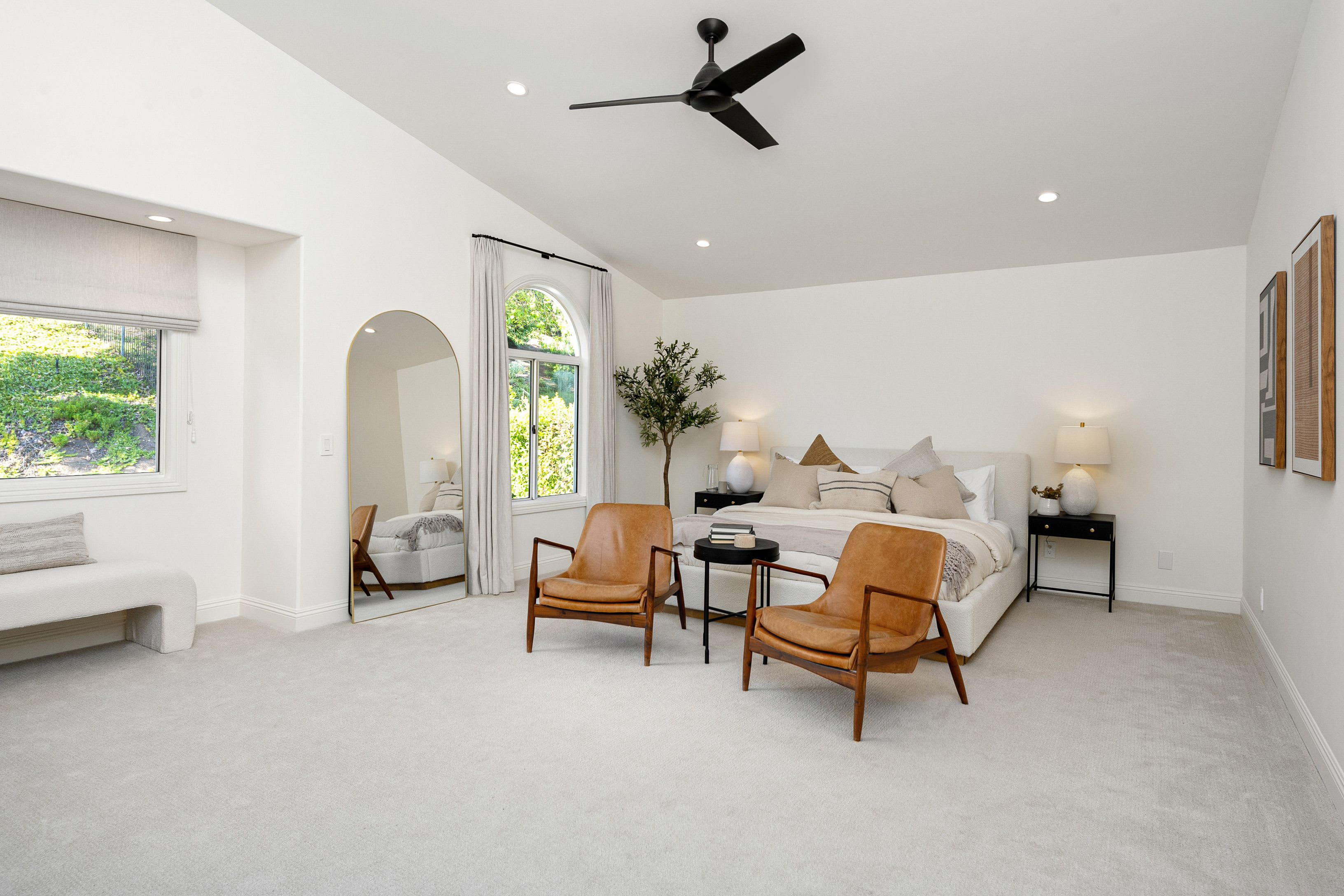
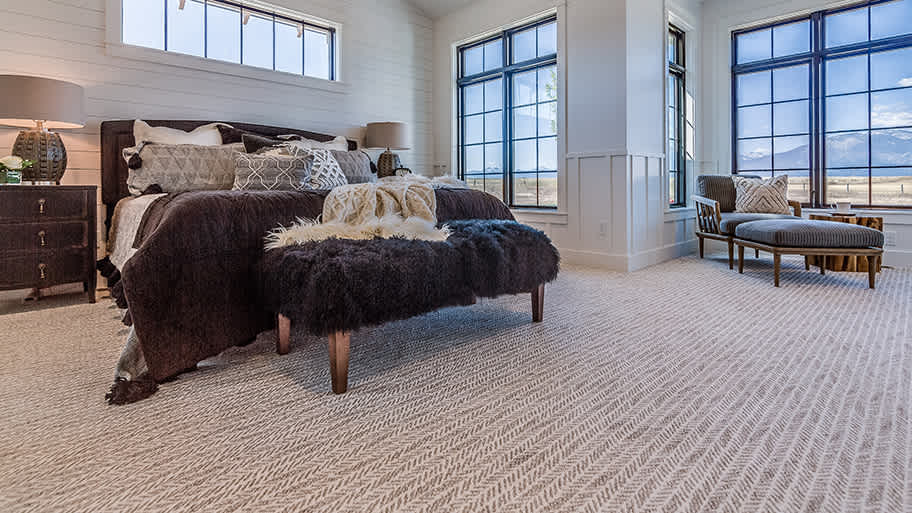
For example, thick padding works well in low-traffic areas, like bedrooms, where you have soft and plush carpeting. However, thick carpet padding can damage low-pile carpet, which is used in the busiest parts of your home (like hallways and entryways). For that reason, it’s best to use thinner, heavier padding underneath carpet in high-traffic areas.
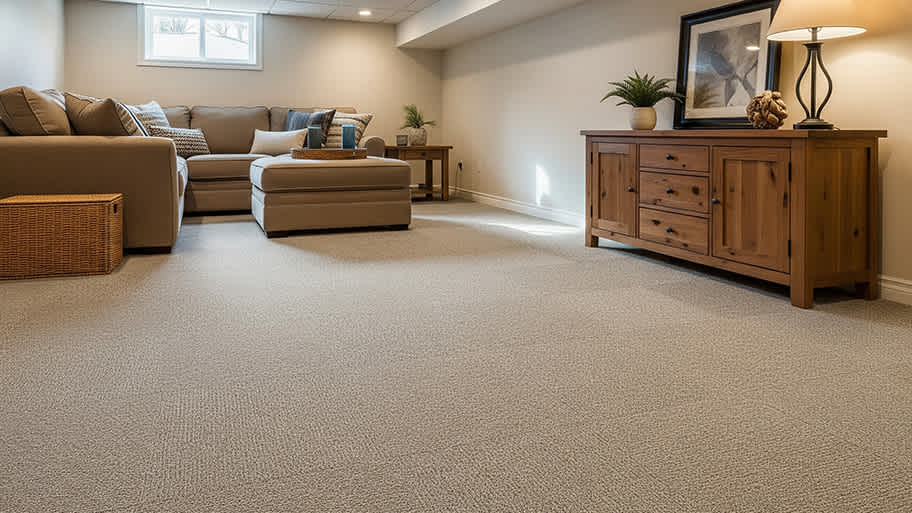
Avoid placing carpet in the bathroom or the kitchen. After all, moisture is no friend to carpeting. Beyond that, it’s down to personal preference. Some people dislike when a garage or basement features carpet, but others enjoy it.
Yes, nylon carpets are suitable for homes with allergies due to their hypoallergenic properties. Nylon fibers are resistant to mold and mildew growth, minimizing allergen accumulation in the carpet. Additionally, nylon carpets are often treated to repel moisture and stains, further reducing the risk of allergens and promoting a healthier indoor environment for allergy sufferers.
New carpet installation offers warmth, comfort, and aesthetic appeal. It can improve indoor air quality by trapping dust particles and provides a sound-dampening effect, which is beneficial for creating quiet environments.
The Crowell, TX homeowners’ guide to carpet installation
From average costs to expert advice, get all the answers you need to get your job done.
Not only are carpet tiles easier to install than carpet, but they’re often more affordable. So, how much does carpet tile installation cost? Let’s take a look.