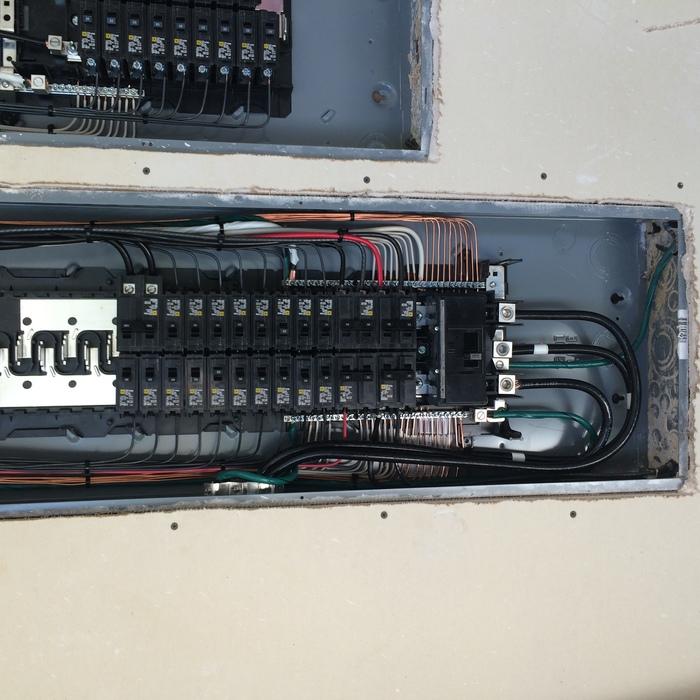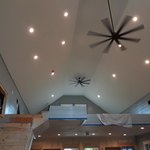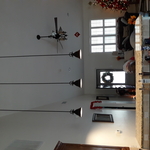









"Carlos did an excellent job installing 2 solar attic fans in my home attic and roof. He communicates quickly and very professional dealing with customers. When selecting the fans, I asked if he could review the ones I selected and he did a thorough review helping me purchase the right fan for my home. I will definitely use Carlos for future electrical needs"
"Mike Burkleo's technicians arrived on time, installed the new exhaust fan/heater assembly correctly, were careful to catch and clean sheet rock they cut out for the new assembly, hauled off the old unit, they did a good job. They are recommended."
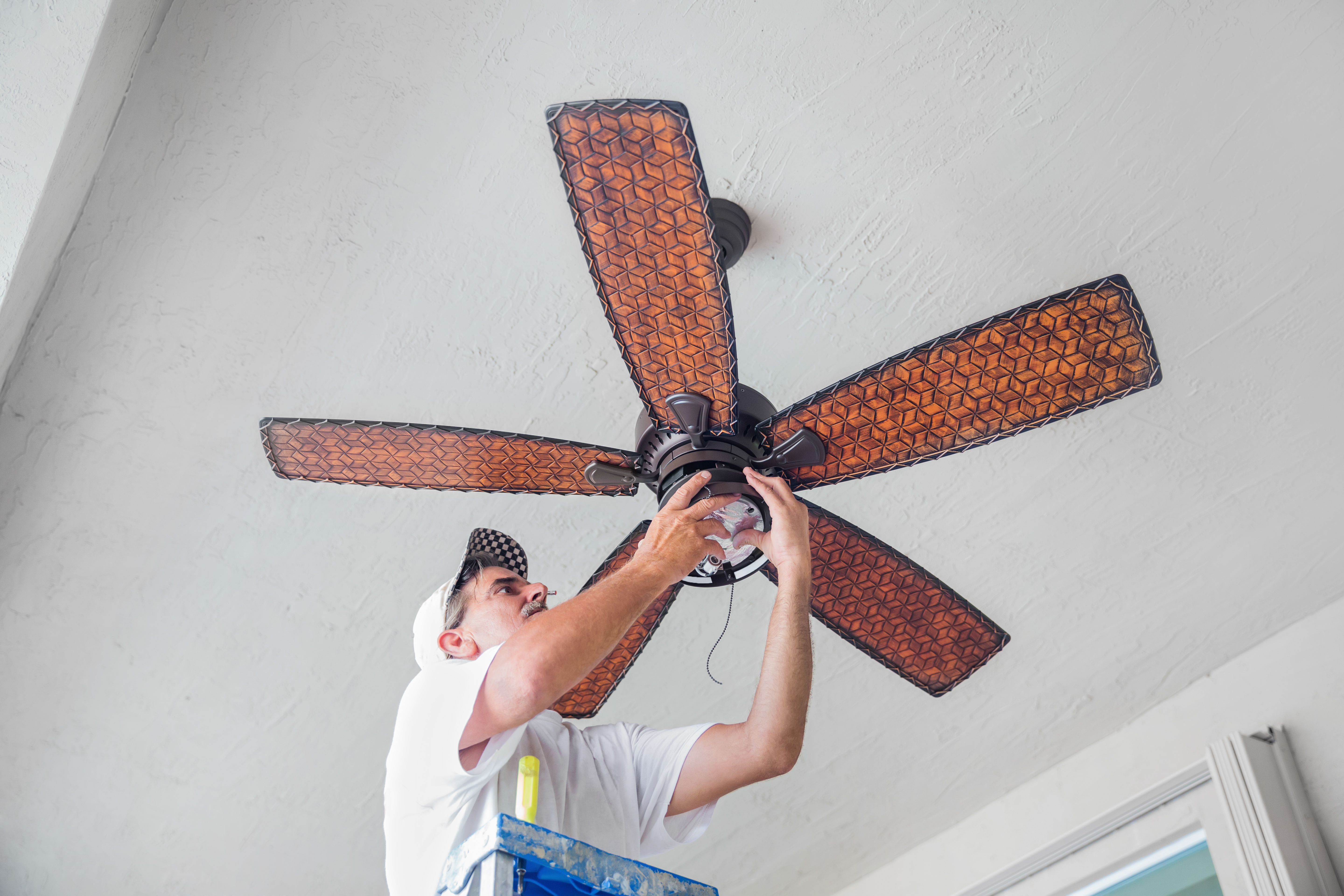
"Got the ceiling fans installed quickly. Hayden installed two fans in two rooms and showed us how the remote works. Very speedy and respectful. Love the installed fans."
Here at Max Air & Plumbing, we're excited to earn your business! Locally owned and operated, we're known in the area for our prompt service and attention to detail. Customer satisfaction is always our primary concern, so be sure to give us a call today!
At A#1 Air, we believe that everyone should have a comfortable, safe place to call home. That's why we offer comprehensive HVAC, plumbing, electrical, and air quality services throughout the Dallas-Fort Worth Metroplex for both residential and commercial properties, and stand firmly behind our promise of Guaranteed Right, Day or Night!\n
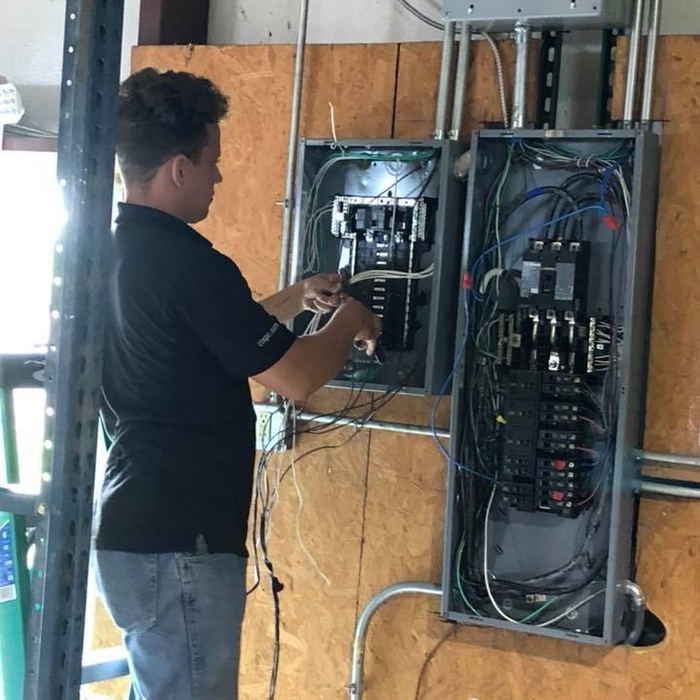
Hello guys, I’m starting my own electrical service company. Been in the electrical industry since August of 2018 and now I’m licensed and insured running my own show. I’m familiar with rough in, troubleshooting, raceway installation, and many more. You have a problem, I have the solution.
The square footage of your room will dictate the correct ceiling fan blade size. For example:
Rooms smaller than 75 square feet require a fan that is 29 to 36 inches.
Rooms up to 175 square feet require 42- to 48-inch fans.
Rooms up to 350 square feet require 52- to 56-inch fans.
Expansive spaces over 350 square feet need a fan larger than 60 inches.
Fan power is measured by CFM, or cubic feet per minute. For every 1,000 feet of square footage in your attic, you need a minimum of 700 CFM. Steeper roofs may need larger fans or about 840 CFM. You can figure the size of attic fan you need by multiplying the square footage of your attic floor by 0.7. (multiply by 1.2 for a steep roof and 1.15 for a dark roof). That number is the CFM required for your fan to run efficiently.
If your home already has wires for a ceiling fan (and optional light kit), then it’s quite safe to wire and install it yourself. Always be very careful to shut off the power before you begin, and confirm that the power is safely off with a non-contact voltage tester before touching anything. It’s also highly recommended to use eye protection, rubberized gloves, and tools with rubber handles to keep yourself safe from electric shock.
In short, no. You can use the square footage range chart in this article to determine the right size ceiling fan for both indoor and outdoor spaces. However, weather elements can damage types of ceiling fans that aren't designed for outdoor use, so your ceiling fan should be weather-resistant if you plan to install it outside.
There are many types of ceiling fans available, each designed for different spaces and needs. Standard ceiling fans are the most common type and work well in most rooms. Low-profile ceiling fans are better suited for rooms with low ceilings. Smart ceiling fans can be controlled with a smartphone or voice commands. For larger spaces with ceilings between 10 and 25 feet high, large ceiling fans are ideal. Dual-motor fans have two motors to produce more airflow in multiple directions. You can also find energy-efficient or Energy-Star models that can be up to 60% more efficient, as well as fans with built-in lights or retractable blades.
The Celina, TX homeowners’ guide to ceiling fan services
From average costs to expert advice, get all the answers you need to get your job done.
Find out the average cost to install a ceiling fan in Dallas, TX. Learn what you can expect to pay for local ceiling fan installation and get free estimates.
Discover the cost to install a ceiling fan, including labor, materials, and tips to save. Learn what impacts your price and how to budget for your project.

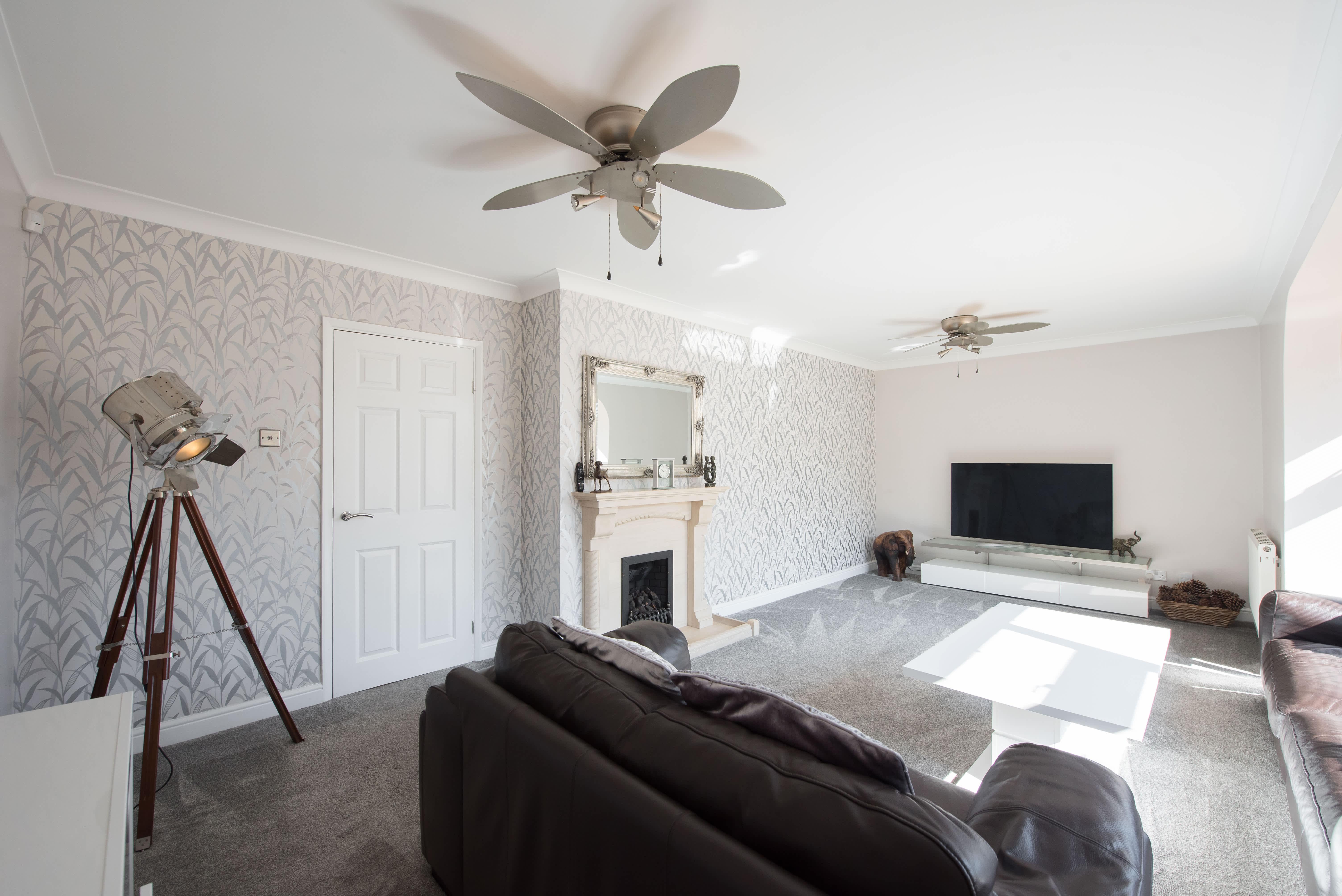
Ceiling fans cool down your home while stylishly accenting your space. With a variety of types of ceiling fan on the market to choose from, you can’t go wrong.
Although the risk is low, there are a few telltale signs that a ceiling fan will fall off your ceiling. This guide explains when to worry (and when not to).