




Top-rated arborists.

Best arborists near Ben Wheeler, TX

Enter your zip and get matched with up to 5 pros

Need a pro for your arboricultural service project in Ben Wheeler, TX?

Select your specific project to find the pro for you.

TRUSTED BY BEN WHEELER, TX HOMEOWNERS

  • Average homeowner rating star icon4.6
    Average homeowner rating
  • Verified reviews icon224
    Verified arboricultural services reviews

Top-Rated Arborists in Ben Wheeler - Updated Nov 2026

Avatar for A.Gurrola Tree Service
A.Gurrola Tree Service
4.7(
80
)
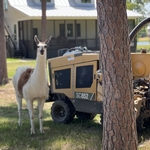
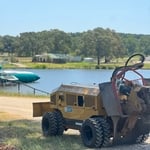
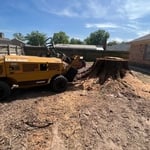
Tree RemovalTree TrimmingTree Removal - For Business+3 more

Serving Ben Wheeler, TX and surrounding areas

Approved

In business since 2007

Free estimates

Emergency services offered

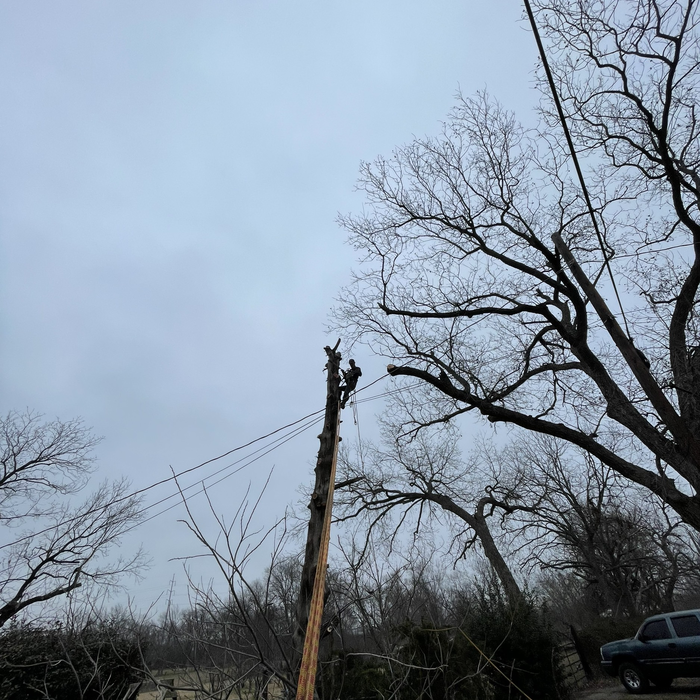
"A.Gurrola Tree Service did an outstanding job for me. They showed up earlier than the original time discussed and trimmed some limbs that were hanging over the house and while they were there, I asked about some trees to be removed and they did it the same day at a very reasonable price. I will recommend them to anyone and I have future projects that I will use them on!"
Tree removal
Tree removal
Tree removal
Tree removal
Tree removal

+31

Response time4 hrs
Response rate93%
113 neighbors recently requested a quote
Avatar for BW Insect Control and Tree Care
BW Insect Control and Tree Care
4.4(
73
)
Trees & Shrubs - Treat, Protect and MaintainTrees & Shrubs - Treat, Protect and Maintain - For Business

Serving Ben Wheeler, TX and surrounding areas

Approved

In business since 1978

Customers say: True professional

"DR Bob treated my tree for Dutch elm disease, as well as my shrubs for spider mites, and black spot. Definitely cheaper than replacing all my shrubs, which I was preparing to do. Prompt and professional. Fingers crossed, this works!"
Response time4 hrs
4 neighbors recently requested a quote
Recommended by81%of homeowners
...
Showing 1-10 of 158
Arborists FAQs, answered by experts

Often, it’s the homeowner’s responsibility to handle the aftermath when a neighbor’s tree falls on their property. But if a tree has been obviously dead for a significant period of time and caused damage when it fell, a case can be made that the owner should have removed it, especially if the neighbor wrote you a letter about the tree or asked you to take it down. This can be grounds for a successful lawsuit in claims court and is a good reason to always pay attention to your trees and remove dead trees before they fall.

Yes, tree roots can regenerate after they’re pruned or cut. In fact, trimming can stimulate new growth, especially in healthy trees. The tree’s roots can still grow back even after a tree is cut down, (and learning how to get rid of regrowing tree roots is a separate feat). Still, if you don’t wish to harm a tree, pruning the roots should be done with extreme care, and ideally by a professional.

Pruning trees is important for several reasons. It improves tree health and strength by removing dead, diseased, or unwanted branches, which in turn encourages new growth and can help treat disease. For fruit trees, proper pruning can lead to a larger and better-quality harvest. Pruning also enhances safety by removing weak limbs that could break and fall, potentially causing injury or property damage, especially during storms. Beyond these functional benefits, pruning can also improve a tree's appearance. To ensure pruning is done correctly for the tree's long-term health, consider hiring a professional.

Since overwatering can harm mature trees just as much as a lack of water, it’s important to know the signs of an overwatered tree. If your tree’s leaves are yellowing, wilting, or dropping leaves, it’s likely that you’re overwatering. Other common signs include rotting, fungi, soggy soil, soft or peeling bark, falling leaves, and brittle roots. 

If you realize that you’ve been overwatering your mature tree, stop watering and give the soil time to dry out. Then moving forward, increase time between watering sessions. 

Completely topping a plum tree is a risky business. Cut too much, and you’ll kill your tree. That said, you do need to trim the top of your tree to encourage bushy growth, maintain your tree’s vase shape, and limit size. 

A plum tree's central leader (or trunk) should never extend more than 3 feet above the highest branch. When you first plant your tree, cut the central leader so it’s 2 to 3 feet tall. As it grows, cut it back 12 to 20 inches until it reaches its desired height. Never prune more than one-third of the new growth.

The Ben Wheeler, TX homeowners’ guide to arboricultural services

From average costs to expert advice, get all the answers you need to get your job done.