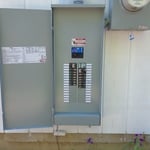
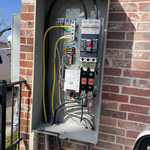
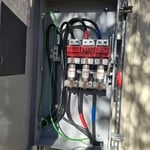
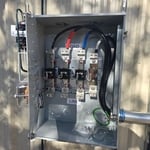
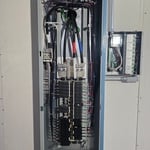
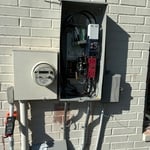
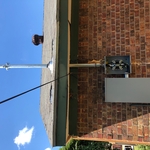
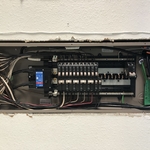
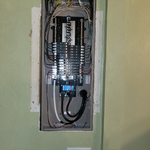
"Bryan, Alex and the people I spoke with in the office were all professional. Bryan and his brother did a great job installing a new replacement electrical panel and smoke detectors in the home."
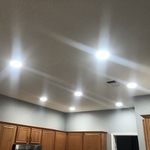
"Great job. Needed a kitchen ceiling light and dimmer switch repaired. Turner was knowledgable, efficient, and professional. Good response time. Reasonable pricing. Will definitely use them again in the future."
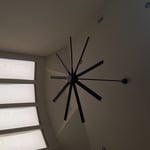
"I engaged McBride to install two ceiling fans at my house. The installer, Justin, did an excellent job on both and I'm very pleased with Justin and the work he did for me. For my next electrical project I will be calling McBride."
"Mario was great from initial estimate to a very clean installation of whole home surge protectors and a new ceiling fan. Highly recommend and will work with Mario for all future electrical needs."
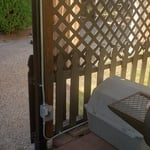
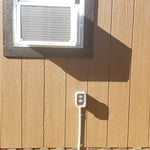
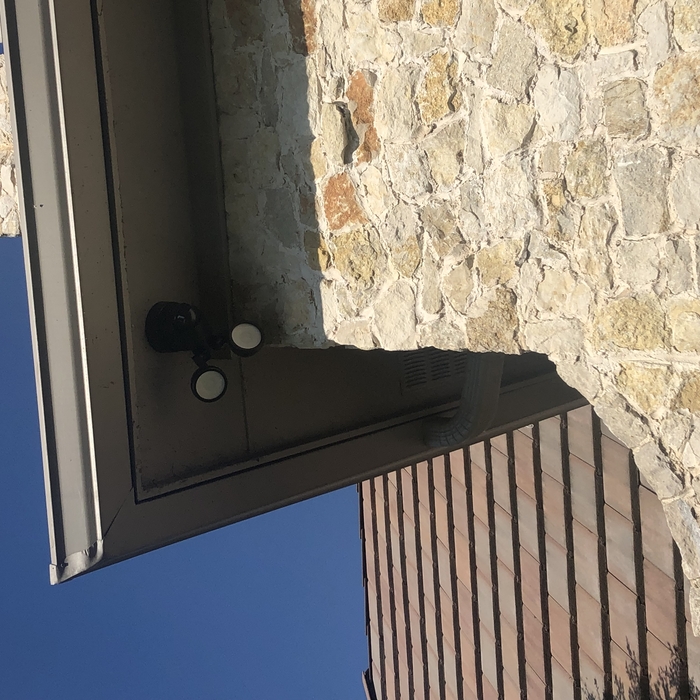
"The security lights were replaced and covers installed for the outside electrical outlets . Also a pull chain light was replaced with a motion detected LED light in a closet. Garage lights were replaced with LED lights. Christopher and his associate have spent a lot of time coming back to adjust an outside security light. They are such professional electricians and will stand behind their work. . I recommend their services."
"Went very well. Very professional experienced nice team of guys. Very polite and work efficiently & effectively. They also installed our security cameras. We've worked with & met the owner as well. Always quote price before work is started most of the time when the appointment is scheduled. They always arrive on time or before but send text to give notice when they will arrive. Very dependable & reliable. AWESOME workers."
"Finally here is a company that you feel really good about working to protect your home. Superior knowledge and very responsive to all my homes electrical,issues."
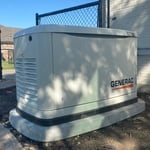
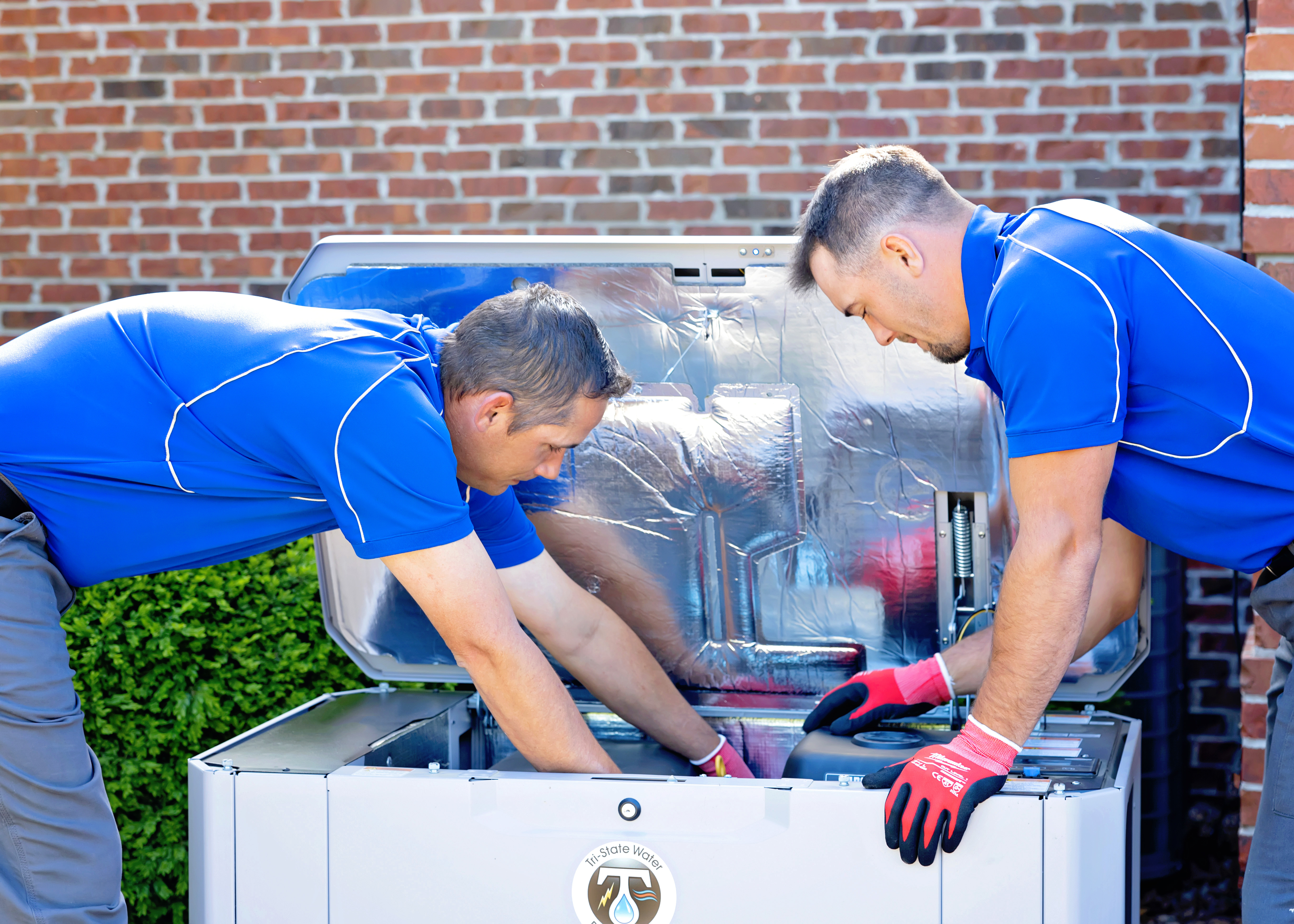
Tri-State Water, Power & Air has been provided products designed to improve the comfort and quality of life of our customers since 1992. Our specialty is Automatic Home Standby Generators. \nWe expect customer service excellence and aim to go above and beyond on every call. With 10 locations across 8 states, Tri-State is always ready to serve you.
In many cases, yes. There are models called dual-fuel generators and fuel switches, but only between certain types of fuel. For example, with the right setup you can convert a generator from natural gas to propane. Some allow switching between diesel and gasoline. There are even tri-fuel generators available in some cases, which adds a large layer of security if you are worried about fuel availability in times of crisis. Always check your generator capabilities and manual instructions before trying to switch fuels. Some generators can use another fuel but may need a fuel conversion kit to prep them first.
If your home already has a grinder pump and you’re still noticing issues (like frequently clogged toilets and sinks), it could be time to upgrade your grinder pump. Start by checking your existing horsepower. If there are four or fewer people living in your home, using a 1/2-horsepower grinder pump should be sufficient. Larger households should consider investing in a 1-horsepower grinder pump to maximize wastewater removal efforts.
Energy output depends on turbine size, average wind speed at your site, and system efficiency. A 5 kW turbine in a good wind location can generate 8,000 to 12,000 kilowatt-hours per year, which may cover a large portion of an average home’s needs. Accurate output estimates require a professional wind assessment and a review of your household’s energy usage patterns.
If you’re wondering whether gas generators produce carbon monoxide, know that natural gas generators do not produce carbon monoxide if they are functioning properly, as natural gas burns cleanly. However, if the generator malfunctions and the gas does not burn completely, there is potential for carbon dioxide to be produced. To prevent malfunctions, it's crucial to perform regular maintenance, including running the generator weekly and scheduling professional inspections every 6 to 12 months. Also, be sure to test your carbon monoxide detectors regularly to ensure they function in the rare case of the generator producing carbon monoxide.
A home that is 2,500 square feet will likely need a 20kW to 25kW generator. Consult your local generator installer to confirm the generator size needed to power your home before purchasing a new one. Be sure to consider how much power your necessary devices need to run.
The Bedford, TX homeowners’ guide to generator installs
From average costs to expert advice, get all the answers you need to get your job done.
The cost to install a whole-house generator in Dallas, TX varies based on factors like generator size, fuel type, and installation complexity. Learn the typical price range and what influences your total cost.
Find out the average generator repair cost in Dallas, TX. Learn what you can expect to pay for local backup power fixes and get your system running safely.
Generators should give you peace of mind, but you’ll only get that if your installer knows what they’re doing. Learn how to hire a pro and what red flags to look for.
Thinking about a generator installation? Learn about backup power options, costs to expect, and how to hire the right local pro to keep your home running.