

Top-rated generator install pros.

Get matched with top generator install pros in Grapevine, TX

Enter your zip and get matched with up to 5 pros

Need a pro for your generator install project in Grapevine, TX?

Select your specific project to find the pro for you.

Find Generator install pros in Grapevine

Avatar for Tri-State Water, Power & Air
Tri-State Water, Power & Air
5.0(
5
)
Fixed Generator - InstallGenerator - InstallGenerator - Install - For Business

Serving Grapevine, TX and surrounding areas

Approved (Corporate)

In business since 1992

Free estimates

Emergency services offered

Tri-State Water, Power & Air has been provided products designed to improve the comfort and quality of life of our customers since 1992. Our specialty is Automatic Home Standby Generators. \nWe expect customer service excellence and aim to go above and beyond on every call. With 10 locations across 8 states, Tri-State is always ready to serve you.

Additional Photos
113 neighbors recently requested a quote
Avatar for Wilder Electric, LLC
Wilder Electric, LLC
4.7(
78
)
Portable Generator - Install

Serving Grapevine, TX and surrounding areas

Approved

In business since 2018

Emergency services offered

Warranties offered

"Christopher did an amazing job installing a new light fixture over my bathroom sink. He was on time, cleaned up the work area, and even took the time to teach me some things. I highly recommend this company. Will definitely use them again!"
Soda Shop
patio plug
She plug
The Brian house
Front

+34

Response time6 hrs
Recommended by98%of homeowners

...
Showing 1-10 of 233
Generator Install questions, answered by experts

Homeowners can often access federal tax credits, such as the Investment Tax Credit (ITC), which covers a percentage of installation costs. Many states and utilities offer additional rebates, grants, or performance-based incentives. These programs can significantly lower your upfront investment. Check the Database of State Incentives for Renewables and Efficiency (DSIRE) or contact your local energy office for current offers.
As a safety measure, you should always turn off the main breaker while operating your generator’s backup breaker. In addition, you should also switch off all appliance breakers so you don't have a power surge when the main breaker turns back on. And finally, turning off the main breaker prevents back-feeding, which endangers utility workers with the risk of electrocution. Back-feeding could also destroy the electrical circuits of your neighbors if they use the same power network.
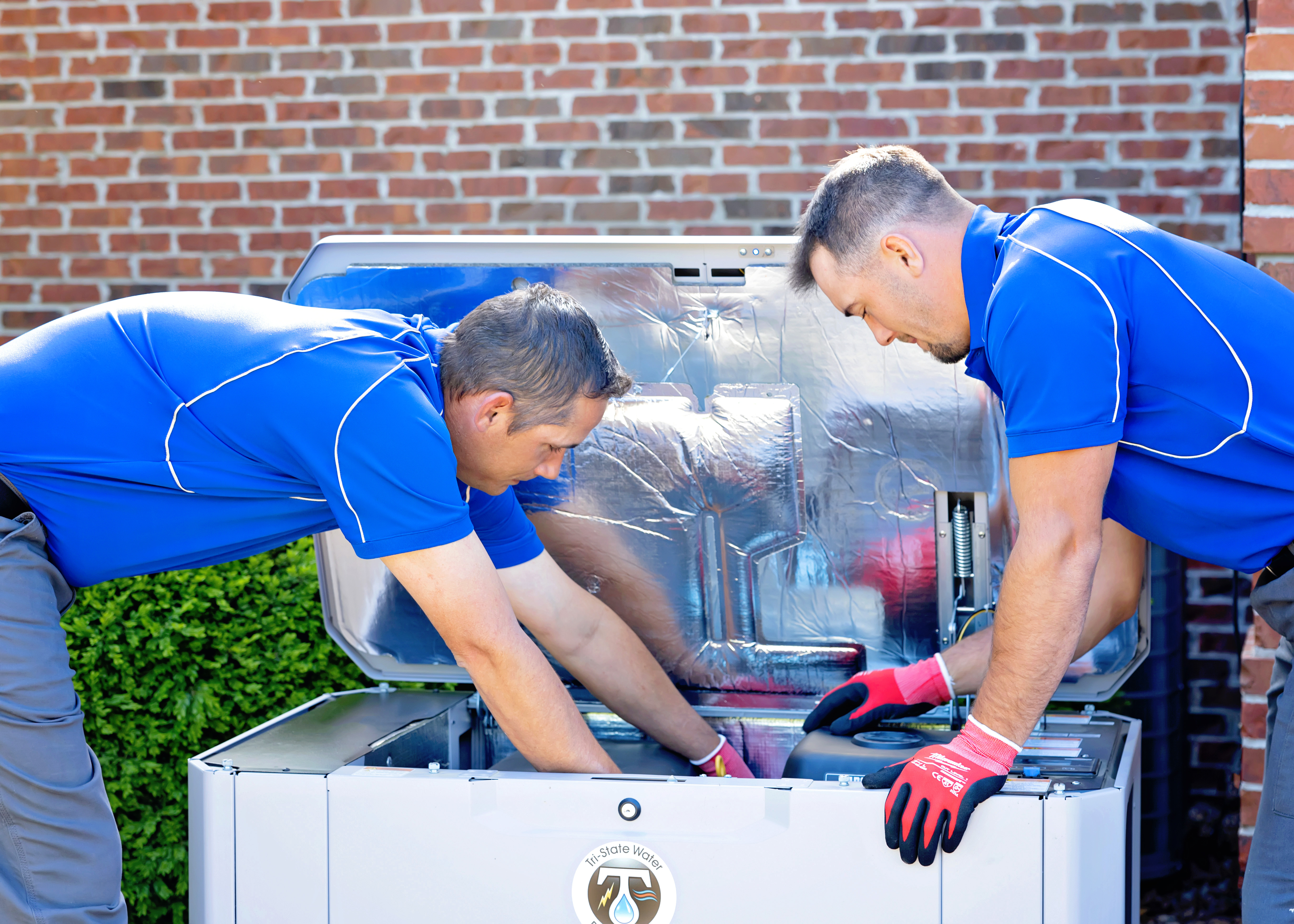

To determine the right size generator for your house, you should calculate the total wattage of the appliances and devices you want to power during an outage. List all essential items, note their start-up wattages, and add them together.

Here are some typical wattage requirements for common appliances:

  • Refrigerator: 600 watts

  • Large dehumidifier: 700 watts

  • Large window air conditioner: 1,400 watts

  • Water heater: 3,000 to 4,500 watts

  • Electric furnace: 5,000 to 25,000 watts

A 7,500-watt generator might be sufficient for essentials like a refrigerator, freezer, well pump, and lighting circuits. However, for high-demand items like a water heater or furnace, a whole-home generator is a better choice. A portable generator may be enough if you only need to power a few critical items.

While home square footage can offer a rough estimate, it is not always a reliable indicator. For reference, here are some typical generator sizes based on square footage:

  • 1,000 sq ft: 6–9 kW

  • 1,500 sq ft: 7–10 kW

  • 2,000 sq ft: 10–14 kW

  • 2,500 sq ft: 12–16 kW

  • 3,000 sq ft: 16–20 kW+

For the most accurate sizing, consult a professional who can calculate your home's peak and average power consumption and recommend the optimal generator.

Natural gas generators are designed to run for extended periods of time, such as power outages during a natural disaster. Since there’s no limit to the supply of natural gas, they don’t need to stop for refills. However, generators do need maintenance, including pauses to check and add oil. Constantly running them will also cause a lot more wear and tear, leading to a shorter lifespan.

Yes, in most municipalities, you will need a permit to install a permanent home generator, including emergency backup, partial-home, and whole-home models. Because these installations involve significant alterations to your home's electrical system and produce exhaust fumes, local governments often require a permit or inspection for safety purposes. A generator permit typically costs between $50 and $250, depending on your location. Your electrician or certified installer can usually handle the permitting process for you, but you will be responsible for the cost. It's a good practice to confirm with your installer that they will pull all necessary permits before work begins.

The Grapevine, TX homeowners’ guide to generator installs

From average costs to expert advice, get all the answers you need to get your job done.