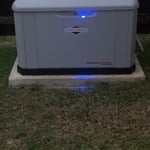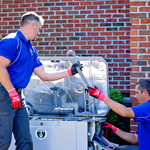




Top-rated generator install pros.

Get matched with top generator install pros in Avinger, TX

Enter your zip and get matched with up to 5 pros

Need a pro for your generator install project in Avinger, TX?

Select your specific project to find the pro for you.

Find Generator install pros in Avinger

Avatar for Tri-State Water, Power & Air
Tri-State Water, Power & Air
4.4(
5
)

Serving Avinger, TX and surrounding areas

Approved (Corporate)

In business since 1992

Free estimates

Emergency services offered

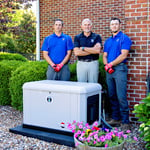
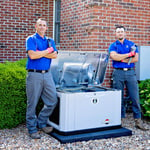
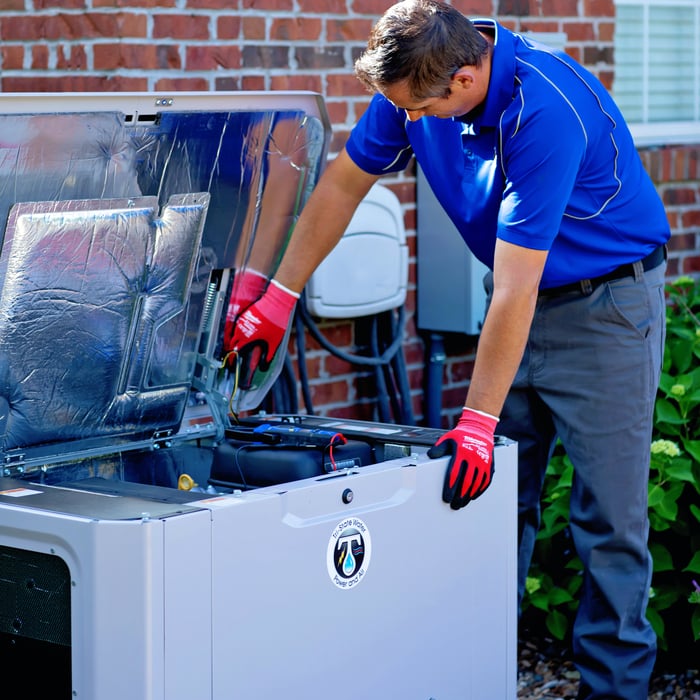
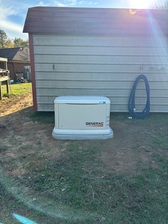
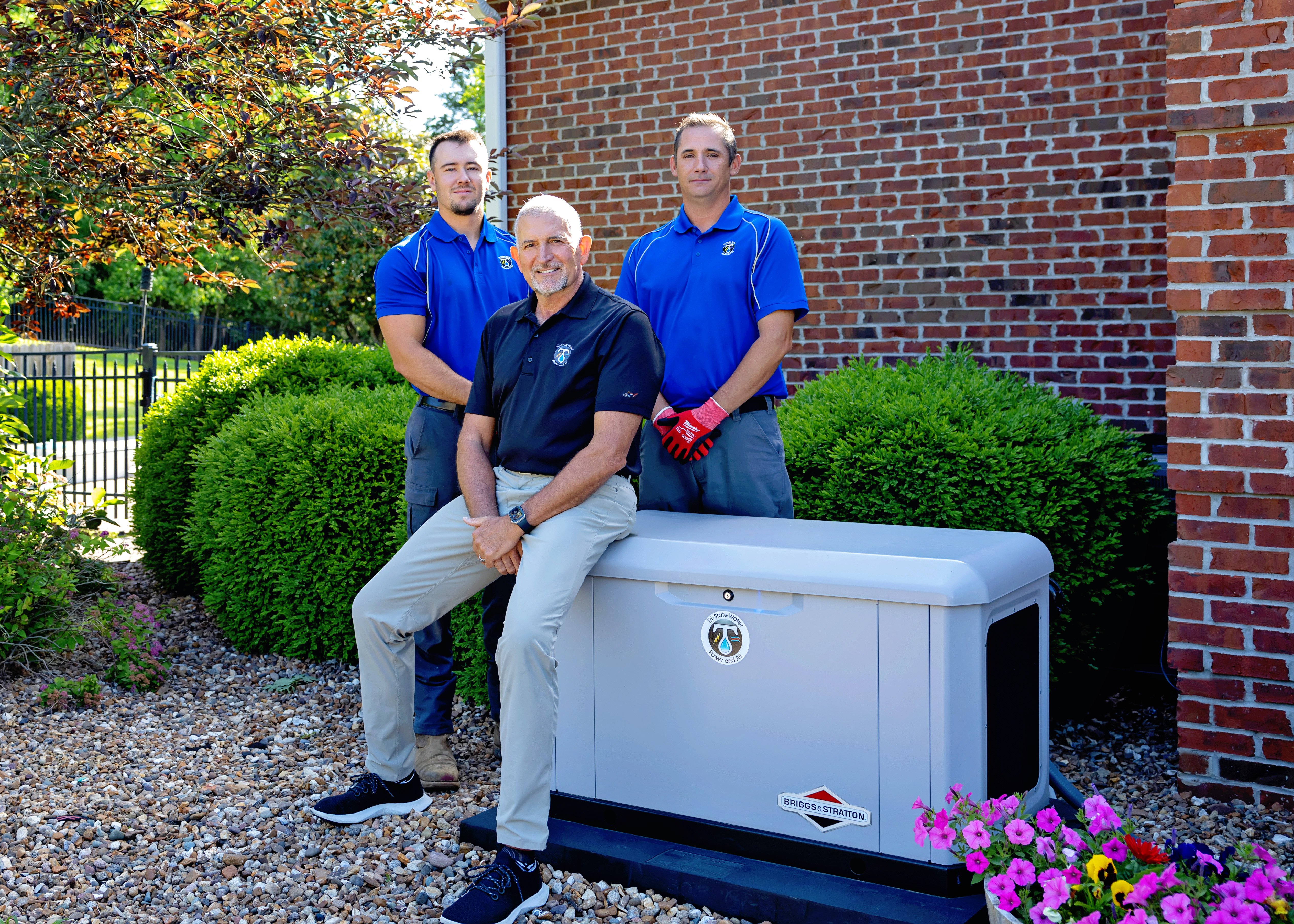
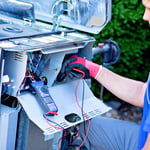
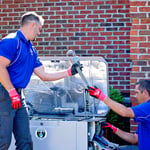
We are the experts in the field of Whole Home Generator Sales and Installation, with over 20 years of experience in the game. We provide turn-key installation by licensed professionals - 24 hour emergency service - Remote Monitoring - Long term maintenance and service by factory trained technicians.
Additional Photos
Additional Photos
Additional Photos
Additional Photos
Additional Photos

+2

123 neighbors recently requested a quote

Avatar for CD Electric Service Company, LLC
CD Electric Service Company, LLC
5.0(
5
)

Serving Avinger, TX and surrounding areas

In business since 2015

Free estimates

Credit card accepted

"After being in the dark numerous times, I wanted a whole house generator. I contacted CD Electric (Clint) to come assess my situation. He recommended the right size for us! It was installed quickly and correctly! I have recommended him to friends who have also had generators installed too."
Response time9 hrs
Recommended by80%of homeowners
Avatar for The Home Depot - Generators
The Home Depot - Generators
2.5(
1
)

Serving Avinger, TX and surrounding areas

In business since 2003

Free estimates

Small jobs welcome

Today, we're proud to be the world's largest home improvement retailer. In 2,300 stores across North America, we aspire to excel in service – to our customers, associates, communities and shareholders. That's what leadership means to us. That's The Home Depot difference.

Generators
Generators
Generators
Generator
Generators

+5

Showing 1-10 of 24
Generator Install questions, answered by experts

Yes, in some locations, it is required by the National Electric Code (NEC) to have a transfer switch installed for electrical emergencies. In addition to following electrical code, generator transfer switches ensure your home is fully protected during a power outage. By switching the power from the main breaker to the generator breaker, you can seamlessly operate your HVAC, lights, appliances, devices, and more during an emergency. 

Carbon monoxide emissions aren’t only dangerous to human life, but they also harm our planet. While natural gas generators emit lower levels of CO than other fuel sources, there are still ways to reduce emission levels. For example, shop around for an eco-friendly generator that complies with current emission standards. Also, make sure your generator is serviced regularly to avoid CO buildup. 

In most municipalities, you will need a permit to install a permanent home generator, including emergency backup, partial-home, and whole-home generators. A permit for a generator usually costs between $50 and $250, depending on where you live. Your electrician or certified generator installer will usually pull the permit for you—and might be required to do so by your building department—but you’ll be on the hook for the cost of the permit. You should ask your installer before agreeing to any work if they will pull the necessary permits for your project.

Whole-house generators can run continuously for extended periods, even for weeks at a time (around 400 to 500 hours), as long as they have a sufficient fuel supply. However, this type of extensive use will increase wear and tear and can shorten the generator's overall lifespan. During long periods of operation, it's important to check and refill the engine oil as needed, potentially as frequently as daily depending on the model. If your generator uses a fuel tank, ensure it is kept full to prevent unexpected shutdowns.

To determine the right size generator for your house, you should calculate the total wattage of the appliances and devices you want to power during an outage. List all essential items, note their start-up wattages, and add them together.

Here are some typical wattage requirements for common appliances:

  • Refrigerator: 600 watts

  • Large dehumidifier: 700 watts

  • Large window air conditioner: 1,400 watts

  • Water heater: 3,000 to 4,500 watts

  • Electric furnace: 5,000 to 25,000 watts

A 7,500-watt generator might be sufficient for essentials like a refrigerator, freezer, well pump, and lighting circuits. However, for high-demand items like a water heater or furnace, a whole-home generator is a better choice. A portable generator may be enough if you only need to power a few critical items.

While home square footage can offer a rough estimate, it is not always a reliable indicator. For reference, here are some typical generator sizes based on square footage:

  • 1,000 sq ft: 6–9 kW

  • 1,500 sq ft: 7–10 kW

  • 2,000 sq ft: 10–14 kW

  • 2,500 sq ft: 12–16 kW

  • 3,000 sq ft: 16–20 kW+

For the most accurate sizing, consult a professional who can calculate your home's peak and average power consumption and recommend the optimal generator.

The Avinger, TX homeowners’ guide to generator installs

From average costs to expert advice, get all the answers you need to get your job done.