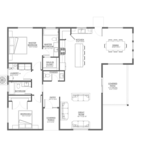
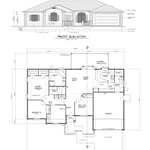
"I am having a full master bath and kitchen remodel done with new layouts in both rooms and knocking out a wall. Evolution worked with me to quickly get a drawing done of the new layouts so that the contractor could get started on the project. They made sure to include me in the process so that the design would be done exactly as my wife and I envisioned. They communicated effectively throughout the process and were always courteous and professional. I recommend them to anyone with drafting needs."
We have a single mission: Complete Customer Satisfaction! We have consistently focused on the needs of our customers, providing personalized attention and a stress-free experience.\nYou will find us to be competitively priced with close attention to the details.\nOur reputation is based on service, safety, and quality, regardless of how large or small the job.\nWe look forward to building a lasting relationship and guarantee your satisfaction!\n
"The basement king was a pleasure to work with. His knowledge is unmatched in the Texas area for sure. I received multiple quotes and talked to multiple companies and he was the best. He's passionate about his work and the manner in which it's done. If he says something, it happens. An added benefit was their cleanliness. Usually a job site of this size and complexity is a mess, but not with the basement kings. 10/10!"
"I was really under the gun due to a prior Architectural firm not performing their duties per building plan codes. Not only were the plans incomplete but the City Plan Reviewer states(The Worst plans he’s ever seen) they will not make adjustments unless there is an additional charge for Thousands.
Evaluation’s saved my clients and drew our project per code, along with Engineering in less time then they quoted. I highly recommended them, Especially Kirsten. You went above and beyond trying to coordinate this project. The staff was very professional and I will use them on all my projects.
Sincerely,
Frank B
BCM Builders"
Our goal is to provide honest and outstanding service through dedication, hard work, attention to detail, integrity and always focusing on our customers best interest at hand. We know that the secret to our success has and will continue to be our satisfied customers.
Terraform Development & Design LLC, delivers expert permit-ready architectural plans and drafting services nationwide. With 8+ years of experience and hundreds of clients across all 50 states, we create code-compliant residential and commercial construction documents that get approved fast and built right.\nFrom site plans, floor plans, elevations, structural & foundation drawings to MEP coordination, full construction sets, 3D renderings, interior design, solar PV layouts, and precise material takeoffs - we handle it all. Fast 4-6 week turnaround, 3 design revisions included, free revisions for city redline changes, transparent pricing (starts at $2,000), and direct partnerships with licensed engineers for stamps in every state.
At TR Home Design, we can take care of all of your design needs. Our expertise extends to every room in your home and we will customize the plans to fit your needs. Call today for a free estimate and let us show you how to make your building dreams come true!
Structural Engineering questions, answered by experts
It depends on the bank and the extent of the issue. Some banks will lend against homes with minor foundation damage, but most won’t if the issue is structural since the home acts as collateral for the mortgage. Banks that offer renovation loans might still finance a home with structural problems. More minor issues like settling cracks and intermittent problems with humidity are unlikely to stop a bank from financing.
Most load-bearing walls are exterior, though they can also be interior.
You should pick steel for your new support beam for a few reasons. While steel is more expensive than other materials, such as laminated veneer lumber or glulam, it offers the following benefits:
Fire-resistant
Unaffected by pests
Longer-lasting
Stronger against water damage (when galvanized against rust)
Indications include cracks in walls, uneven floors, and sticking doors or windows that suggest foundation movements.
Yes, you can put a doorway in a structural wall; in fact, most exterior doors are set into structural walls. The project is a little more challenging than installing a door in a non-load-bearing wall because you need a structural engineer to assess the wall and make sure it’s safe to create a wall opening. Your engineer’s report will include instructions for your contractor on how and where to install additional supports, like steel headers above the door, to distribute the weight above to the wall on either side of the door.
The Asherton, TX homeowners’ guide to structural engineering services
From average costs to expert advice, get all the answers you need to get your job done.
The cost of a structural engineer is easily justifiable given the value they bring to the table. Use this guide to see what hiring your professional will total.
Beam installation costs are an important consideration if you’re building a home or doing renovations. Learn about average costs and factors in this guide.
Spotting deep foundation cracks or sagging floors? Learn about structural engineering costs, serious warning signs, and how to hire the right local pro.
It can be hard to choose the right pro for any job, but it matters. Learn how to hire a structural engineer who'll get the job done right from start to finish.