"The tech was very knowledgeable and went above and beyond to satisfy us. Our faucet was broken would not attach to the sink as the copper seal broke to the water lines."
"One oven doesn't work at all ( my choice, see above), the "working" oven was never calibrated properly so using it is hit or miss. It's time to call American Home Shield to see about replacing the entire unit. I'm waiting to finish other home projects before calling them. I don't know if I'll request Greenway again."
We have the experience and dedication to bring your dreams to reality! We guarantee your satisfaction, and we won’t leave until the job is done right. Call or click to schedule a free estimate today!
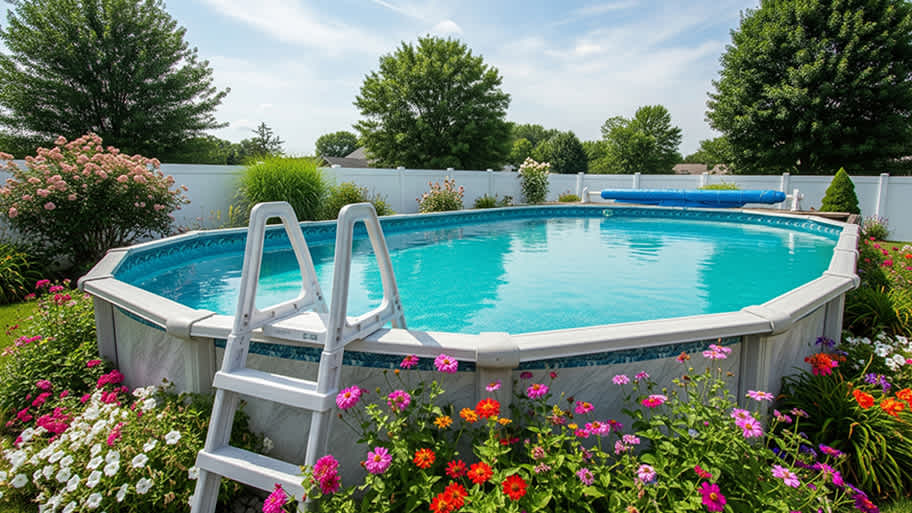
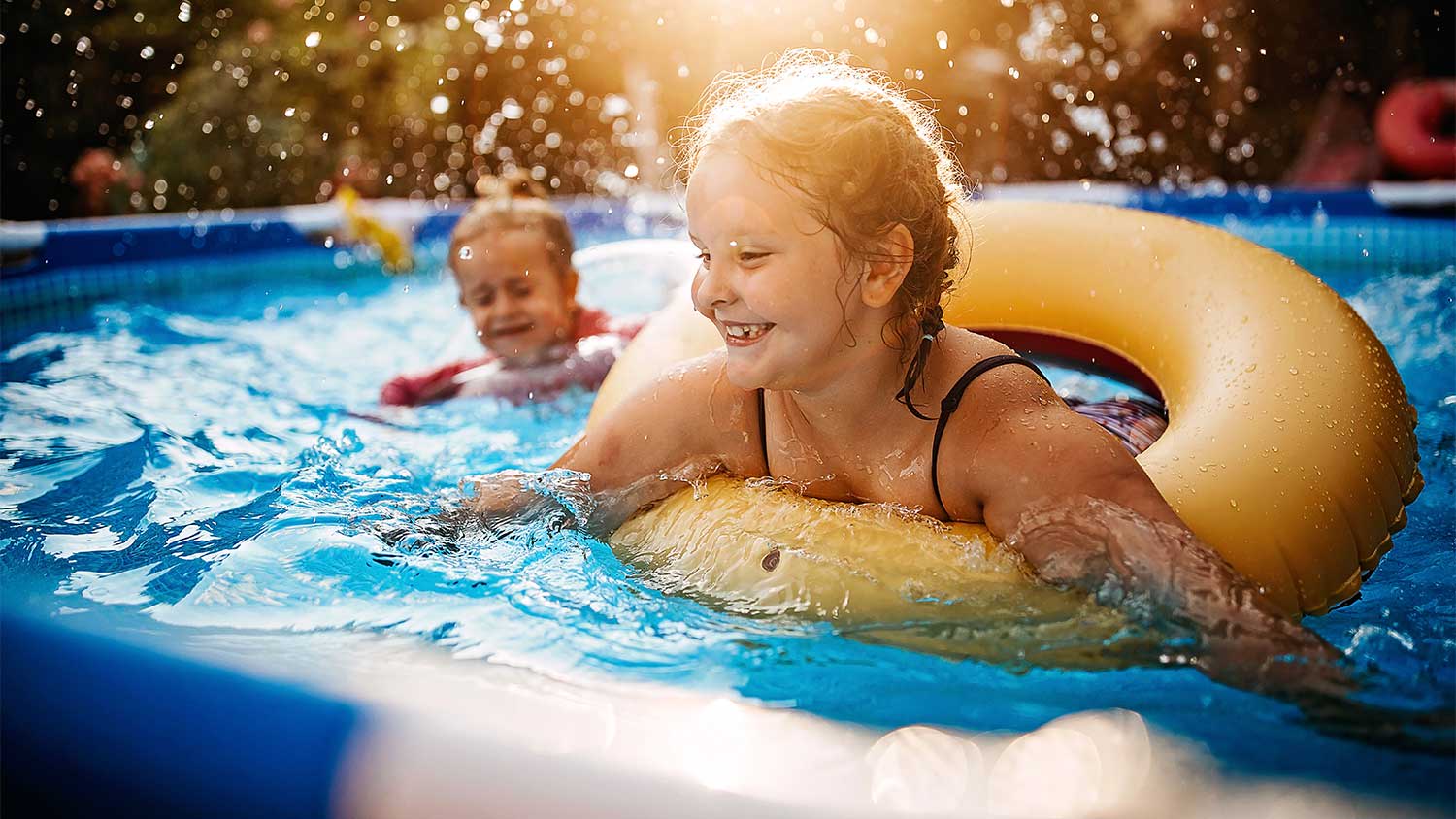
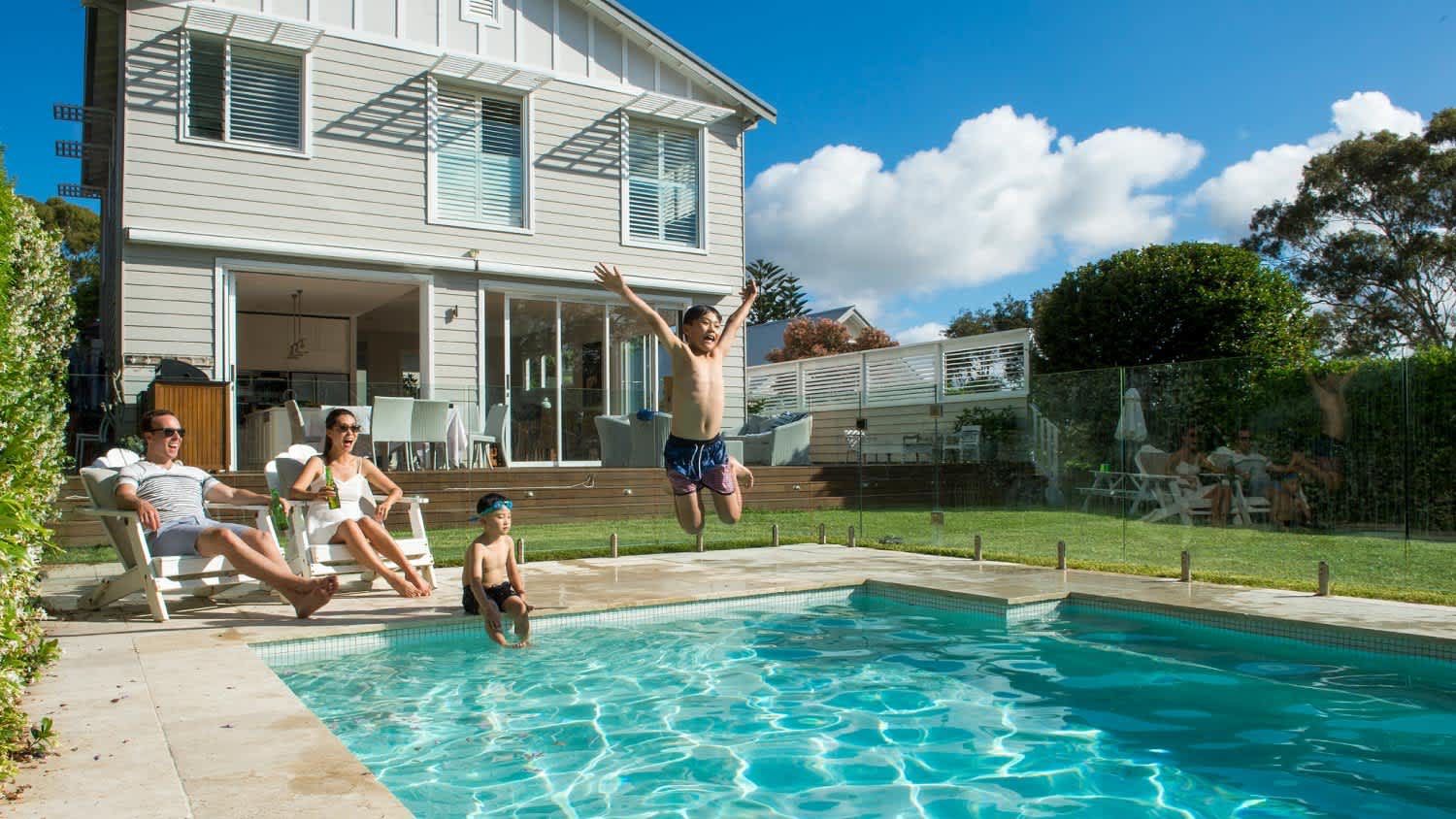
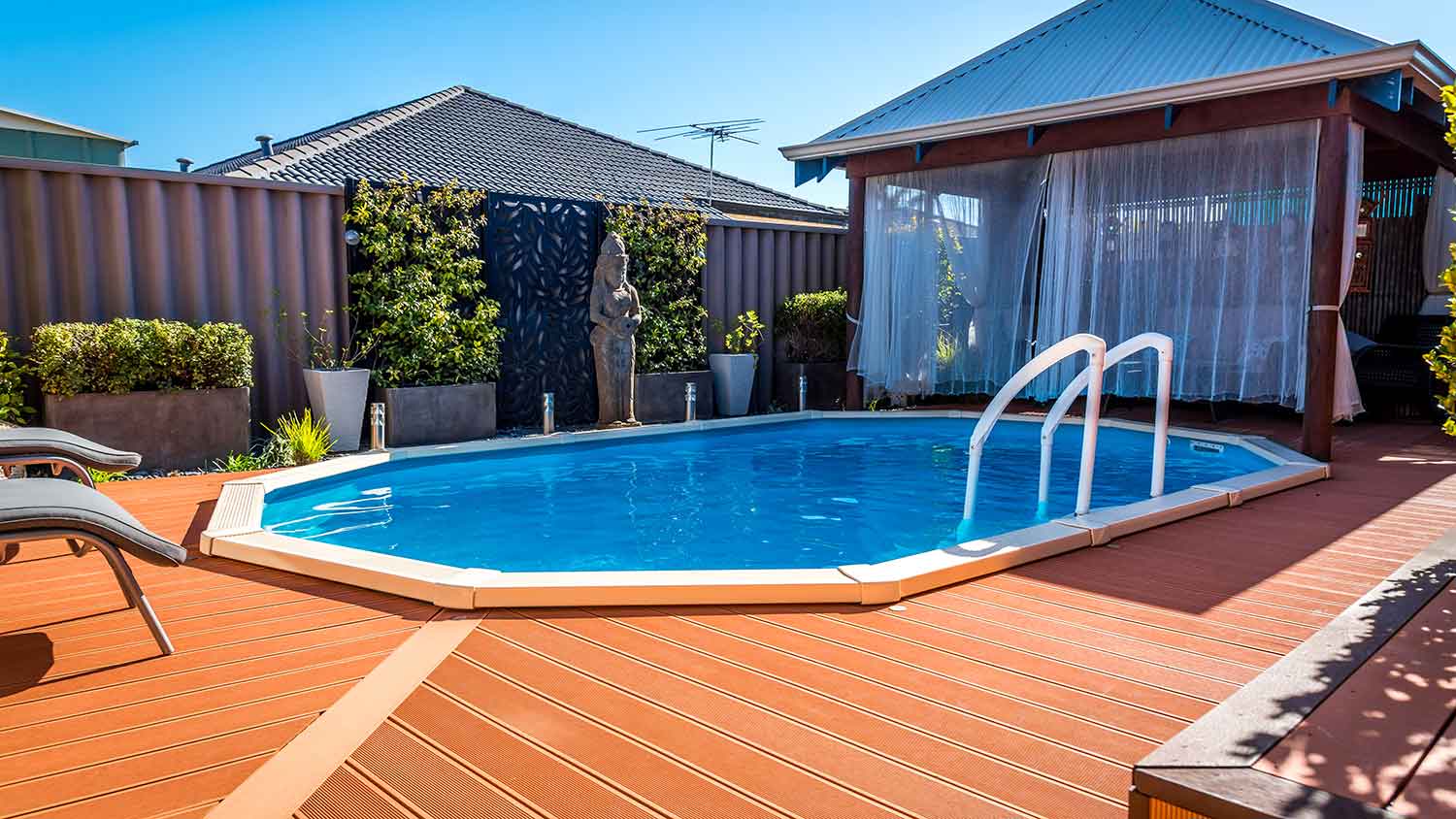
Install Above Ground Pools FAQs, answered by experts
A qualified pool contractor who is familiar with local regulations can assess your yard and let you know if it’s feasible to install a pool. Whether or not your yard is suitable for a pool depends on a number of factors, including the size of your yard, the placement of utility lines, your yard’s terrain, and more. It’s a good idea to see if it’s even possible to put a pool on your property before you get too far into planning.
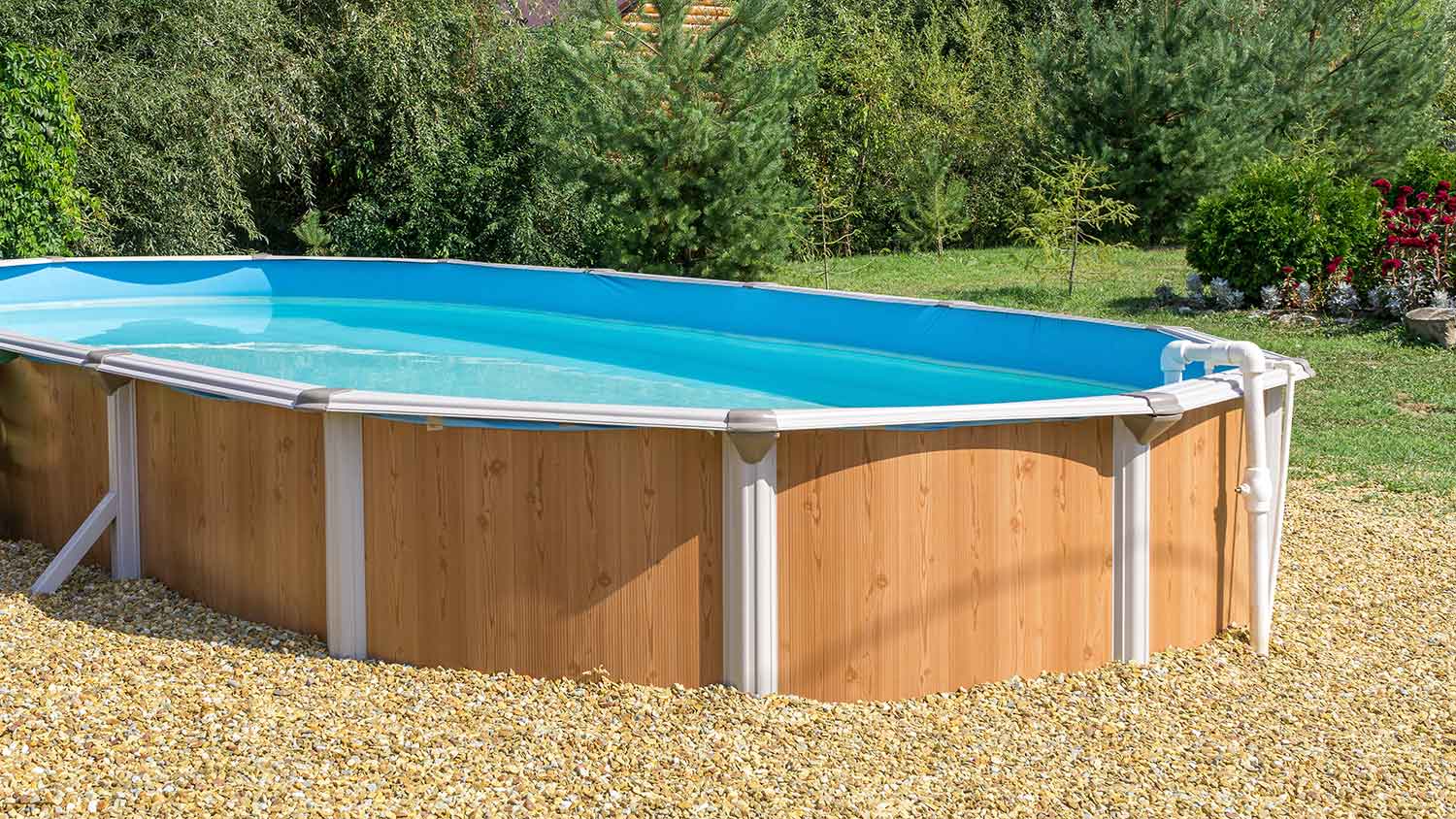
You can install an aboveground pool on various surfaces, including dirt, sand, concrete, and grass. You can’t install a pool on an uneven surface, though, so be sure to level the ground before building your pool. You also can’t install your pool on top of a rocky surface. Three or 4 inches of smooth sand or soil is the ideal surface to go under an aboveground pool.
It’s a good idea to wait at least 24 hours after opening your pool before you swim in it. Pool opening often involves shocking the water, and the chemical levels need to come down a bit before it’s safe to swim. You can continue testing your water pH and chlorine levels if you’re in a rush. It’s wise to wait until your chlorine levels drop to under four parts per million (ppm) and you have a water pH of between 7.2 and 7.8. You can artificially lower your water pH to speed up the process.
You should always run your pool pump in freezing weather to keep the water moving. Doing so prevents the pool water from freezing and protects your pool from the damage that often comes along with frozen water. You should also run your pool pump when temperatures are approaching freezing, as a precaution. There’s no need to run a pool heater during the winter, as keeping water moving is generally enough to keep it from freezing.
Installation typically takes 4-8 weeks, including site preparation and liner installation.
The Asherton, TX homeowners’ guide to above ground pool installation services
From average costs to expert advice, get all the answers you need to get your job done.
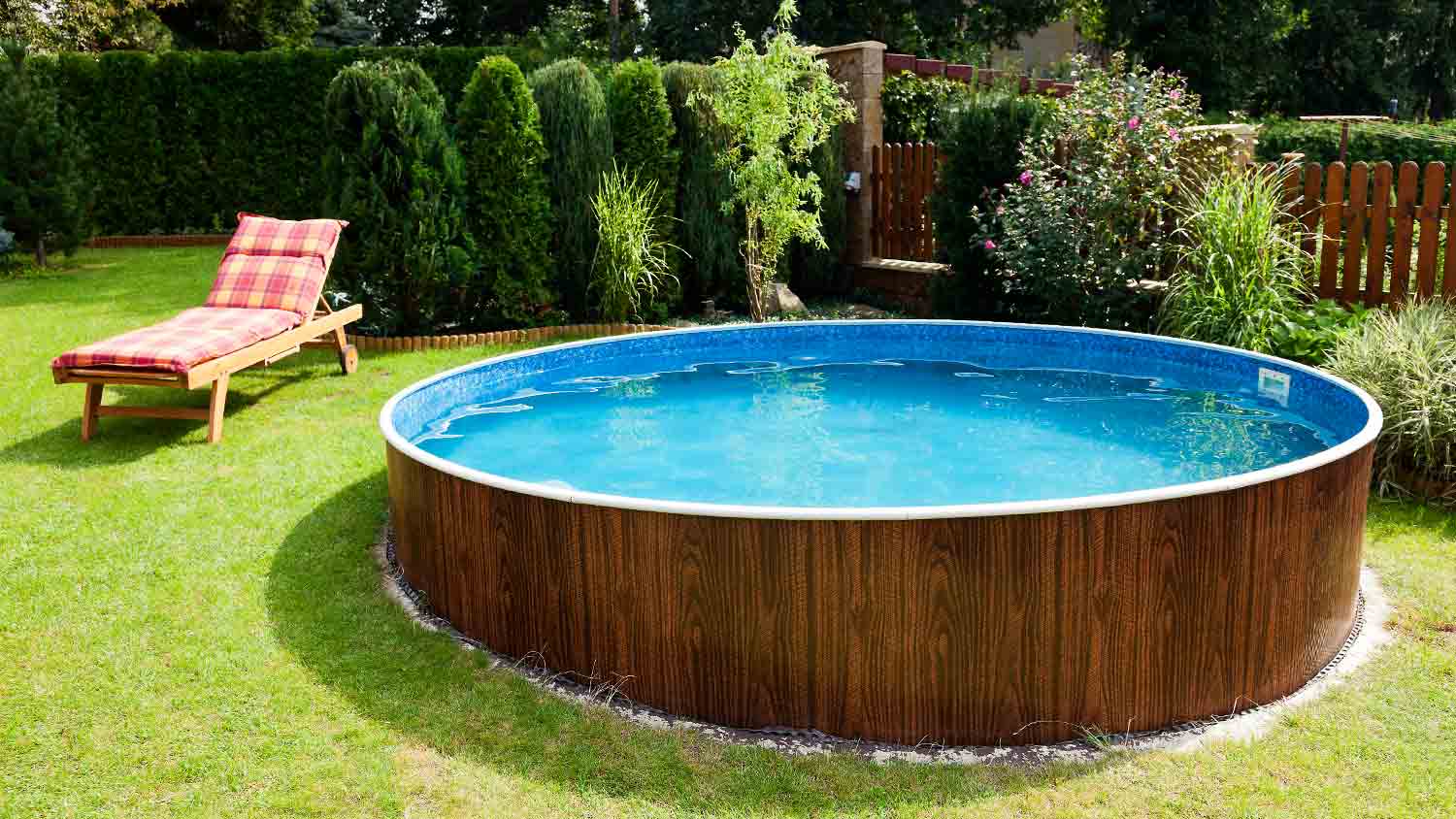
Above ground pools are more affordable than inground pools, so can you put an above ground pool in the ground to save money? Learn when it’s safe to do so.