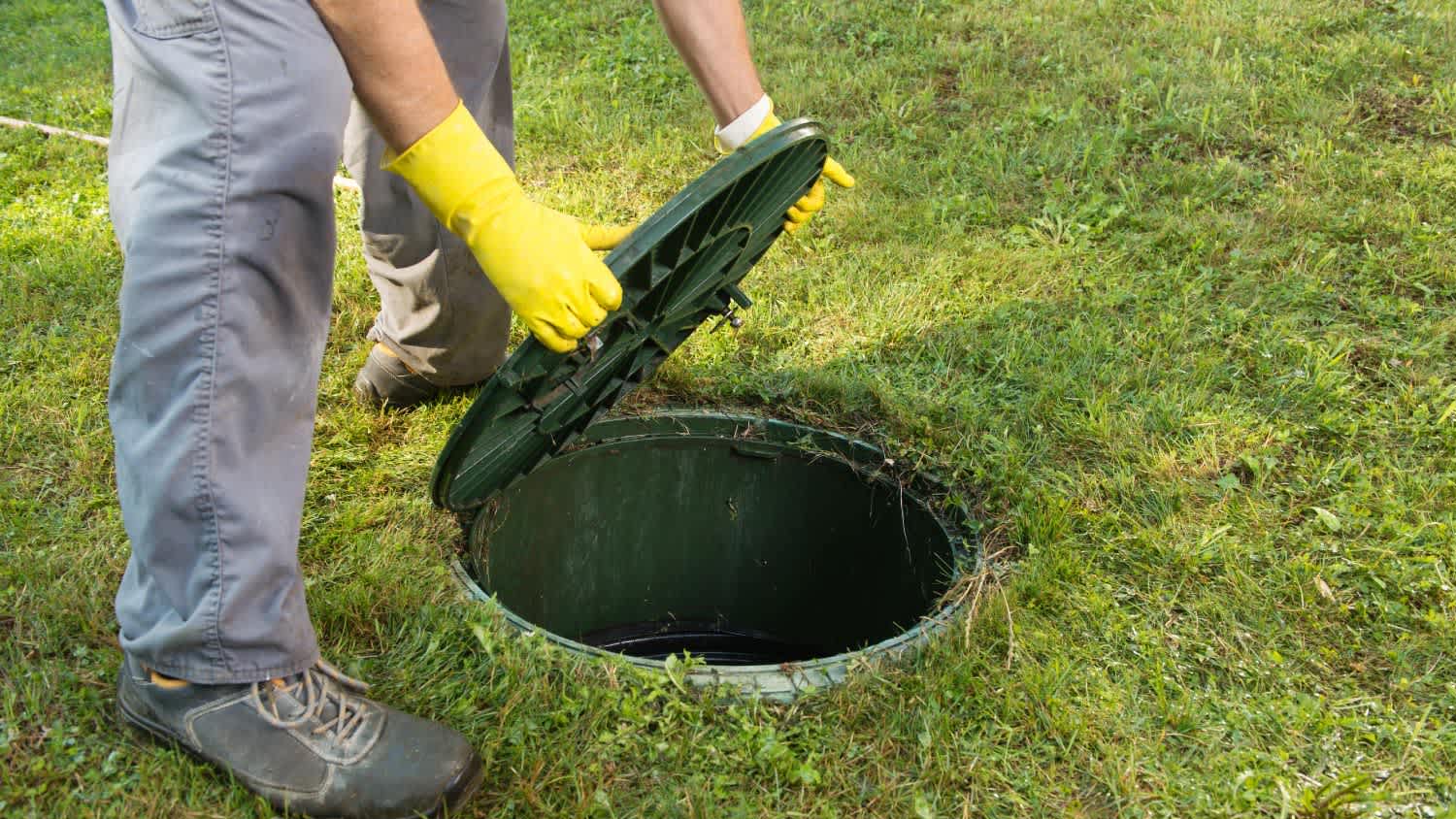
Depending on the size of your home, the inspection process could take a few hours or a few days. While inspecting your home, the asbestos specialist will take small sections of the potentially contaminated material. They will then send the sample to an accredited laboratory or the local health department for testing.
The cost of asbestos testing depends on your location, the home's size, and the testing area's complexity. Plan to spend between $230 and $800 for testing. During testing and while handling potential asbestos, the specialist may wear protective gear, including gloves, overalls, appropriate footwear, and respiratory equipment.
Epoxying over asbestos tiles is generally considered a safe option when done correctly. Epoxy acts as a sealant, encapsulating the asbestos tiles and preventing the release of asbestos fibers into the air. The key is ensuring that the asbestos tiles are in good condition, firmly adhered to the substrate, and not damaged or deteriorating. This method is only appropriate for tiles that are undamaged and securely in place. If the asbestos tiles are already loose, damaged, or deteriorating, encapsulating them with epoxy may not be a sufficient solution, as it might not address the potential for ongoing asbestos exposure.
The Environmental Protection Agency (EPA) banned the use of asbestos pipe insulation in certain applications in 1975. It released further bans in 1989 and 2019. While asbestos pipe insulation was common from the 1930s to 1970s, its use fell off after the 1970s due to public concern and the EPA's actions.
Knob and tube wiring is an older type of electrical wiring that's no longer used and generally not considered safe. However, some homes still have it, or may have a knob and tube wiring system that was incorrectly modified or rigged to work with a modern electrical system. Knob and tube wiring may contain asbestos insulation, but the only way to know is to have the material professionally tested.
Some pros may recommend covering a popcorn ceiling that tests positive for asbestos with beadboard ceiling planks or drywall. The cost to install a beadboard ceiling averages more than $5,000, but you likely will pay more than the average for the installer to deal with the asbestos safely. Installing a beadboard ceiling or new drywall will disturb the asbestos and release some microscopic fibers, so the installer will need to take precautions.
The Maynardville, TN homeowners’ guide to percolation testing services
From average costs to expert advice, get all the answers you need to get your job done.
Most building projects and septic installations require soil testing to ensure proper drainage. Learn how much a perc test costs and what affects costs.
A perc test for septic analyzes the absorption rate of the soil where a tank is going to be installed. Learn more about the test, cost, and passing grades.


 4.5
4.5  975
975