







Top-rated excavation pros.

Get matched with top excavation pros in Martin, TN

Enter your zip and get matched with up to 5 pros

Need a pro for your excavation project in Martin, TN?

Select your specific project to find the pro for you.

Find Excavation pros in Martin

Avatar for Tennessee Storm Shelters
Tennessee Storm Shelters
5.0(
8
)
Building Site - Preparation and ClearingBuilding Site - Preparation and Clearing - For BusinessExcavation - Major Grading or Resloping+1 more

Serving Martin, TN and surrounding areas

In business since 2019

Free estimates

Warranties offered

"I was one of the first customers for this company. It’s a product you hope you never need but you’re grateful if you do. They were so professional, courteous, knowledgeable and we are having a second shelter installed by this company in our new construction home next month. I refer them to everybody I can find!"
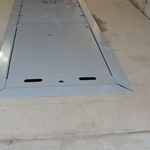
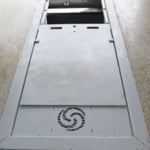
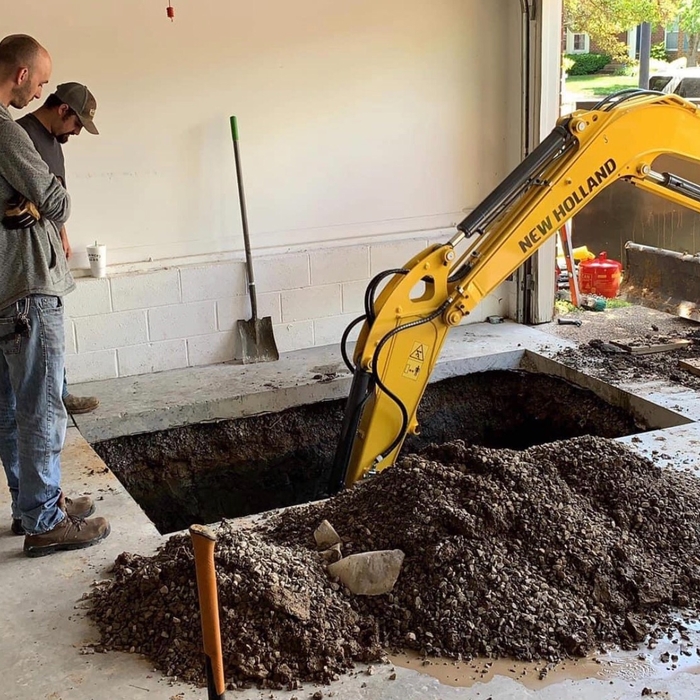
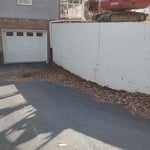
Tornado Storm Shelter Installed in the Garage
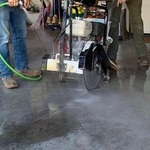
Start of cutting concrete.
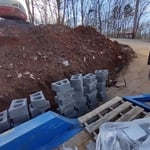
Excavating Project
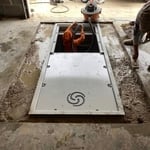
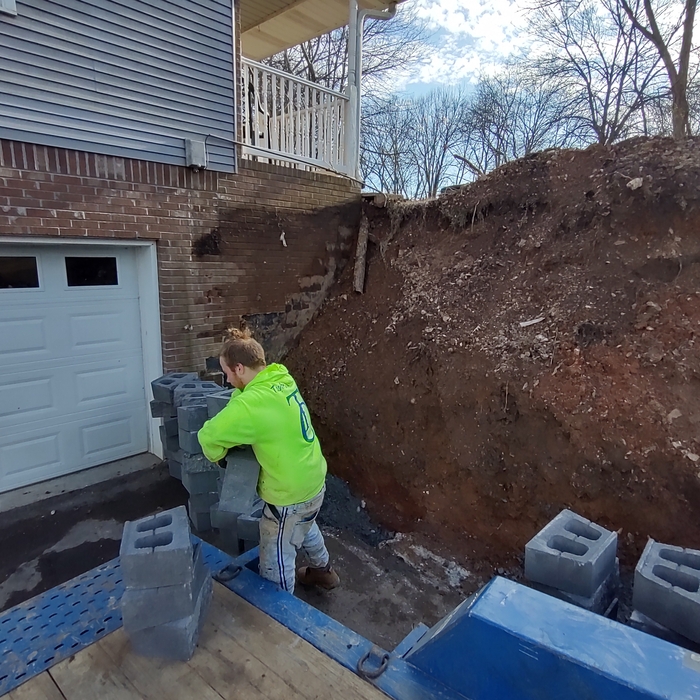
Tornado Storm Shelter Installed in the Garage
Digging process.

+12

Recommended by100%of homeowners
Showing 1-10 of 48
Excavating questions, answered by experts

A walk-behind trencher can cut through roots as long as they’re not too thick, making a project much easier than digging with a shovel and other hand tools. Assess your terrain and the number of trees in the surrounding area to determine if a walk-behind trencher will ease the job. Digging a trench by hand is much more time-consuming and labor-intensive. 

In the United States, a depth of 36 inches (three feet) for underground water lines is the accepted industry standard. This depth varies from location to location based on local conditions. In areas with colder winters, they may be buried deeper to prevent frozen well water pipes : This is usually at least six inches below the frost level. The International Plumbing Code calls for a minimum of 12 inches below grade.

You should dig 3 to 6 inches deep for plastic edging. Dig as wide as you need to fit your plastic edging into it—2 inches is usually sufficient.

If you have a broken sprinkler pipe underground, there will be some signs you can easily spot to locate it and take action. These include leaks, water spouts, flooding, consistently damp areas on your lawn, low water pressure, and grass around the sprinkler head that’s taller and darker than anywhere else in the yard. 

If there are no obvious signs of a broken pipe, you can use tools such as water leak mics, leak noise loggers, audio devices that record leaks, and acoustic testing links. 

Broken pipes can lead to uneven watering, plant damage, and higher utility bills. The longer you wait to fix them the more the repair cost may be.

Septic drain lines (or leach lines) are typically buried between 18 and 36 inches underground, and should be at least 6 inches below the surface. These pipes are perforated and surrounded by filtering materials like sand or gravel. Burying the lines at this depth helps minimize odors and allows bacteria and other biological processes in the soil to effectively treat the wastewater. Burying lines too close to the surface can cause issues unless the soil is very compact and stable.

The Martin, TN homeowners’ guide to excavation services

From average costs to expert advice, get all the answers you need to get your job done.