

Top-rated concrete driveway pros.

Best concrete driveway pros near Covington, TN

Enter your zip and get matched with up to 5 pros

Need a pro for your concrete driveway service project in Covington, TN?

Select your specific project to find the pro for you.

TRUSTED BY COVINGTON, TN HOMEOWNERS

  • Average homeowner rating star icon4.2
    Average homeowner rating
  • Verified reviews icon17
    Verified concrete driveway services reviews

Top-Rated Concrete driveway pros in Covington - Updated Nov 2026

Avatar for J&E Concrete LLC
J&E Concrete LLC
4.7(
28
)
Concrete Driveways - InstallConcrete Driveways & Floors - InstallConcrete Driveways & Floors - Install- For Business+2 more

Serving Covington, TN and surrounding areas

Approved

Super Service Award Winner

Free estimates

Emergency services offered

Warranties offered

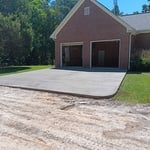
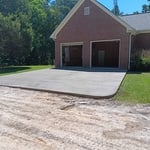
"Ranch Concrete did a wonderful job. We wanted to keep the sod that was placed where the extended driveway would go. Jose and his men did preserve the sod perfectly. They did a excellent job on the driveway and would definitely call them for our next project."
Additional Photos
Additional Photos
Additional Photos
Additional Photos
Additional Photos

+58

4 neighbors recently requested a quote
Recommended by71%of homeowners
Barreto Tile & Marble
5.0(
2
)
Concrete Flatwork - Repair & Resurface

Serving Covington, TN and surrounding areas

In business since 2008

Free estimates

"The contractor was very quick at contacting me and their quote was very, very reasonable. They did run in to an issue with the first pouring of my patio, but without even asking me if it was okay, they broke it up by hand and repoured it again. I was very impressed by the fact that I never had a need to check on them, as they were very diligent about getting the job done right. I would highly recommend them for anyone's concrete needs."
Recommended by100%of homeowners
...
Showing 1-10 of 55
Concrete Driveways FAQs, answered by experts

The ideal PSI (pounds per square inch) for a pressure washer depends on the surface you are cleaning. For general home use, a pressure washer with a range of 2,000 to 3,000 PSI is recommended and powerful enough for most residential projects.

The specific PSI you should use varies by task:

  • High-Pressure Tasks (2,500-3,000 PSI): Tough materials like concrete, stone, masonry, and brick can handle higher pressures. This is suitable for removing stubborn stains from driveways or cleaning graffiti.

  • Low-Pressure Tasks (around 600-1,300 PSI): Softer surfaces require a gentler touch to avoid damage. Use a low PSI setting for cleaning wood decks (especially softwoods like pine and cedar), vinyl siding, outdoor furniture, and stucco.

For best results, choose the right nozzle for your surface, such as a 15-degree nozzle for siding or a surface cleaner attachment for driveways. Using an extendable wand can also make the work easier and more ergonomic.

Does the water in your taps sometimes come out very slowly? If so, you might have problems with low water pressure in your house, and your pressure washer won’t effectively clean. To test if your water pressure is sufficient, time how long it takes for the water from your hose to fill a 5-gallon bucket. Usually, if it takes less than two minutes, you’re good to go.

The best cleaning solution for stamped concrete is a combination of water and mild soap. Dish soap and laundry detergent are good options. For more stubborn stains, you can use an alkaline cleaner that removes oil and grease. In either case, you’ll want to steer clear of abrasive cleaners and harsh chemicals which can damage the concrete.
You should wait until your pavers have completely dried and cured before pressure washing them. Wait at least three to five days, though some sealants may need up to an entire week. Rushing that timeline can mess with the finish, weaken the seal, or leave streaks that are tough to fix. Once the sealant has fully set, stick to a gentle approach. Keep the pressure under 1,500 PSI and hold the nozzle at least two feet from the surface. Anything stronger or closer can blast the joint sand loose or wear down the sealant you just applied.

Whether you need to winterize your pressure washer depends on where you store it. If you can keep it in a relatively warm place with no risk of freezing, you won't need to add antifreeze. However, if the machine will be stored in freezing temperatures, any liquid left in the water pump can freeze, expand, and cause severe damage. To prevent this, add antifreeze to keep it in good condition. While some suggest emptying the machine with compressed air, this can be a tedious process that may not fully drain the liquid. Regardless of storage conditions, it is also good practice to empty the gas chamber and refresh the oil before winter storage.

The Covington, TN homeowners’ guide to concrete driveway services

From average costs to expert advice, get all the answers you need to get your job done.