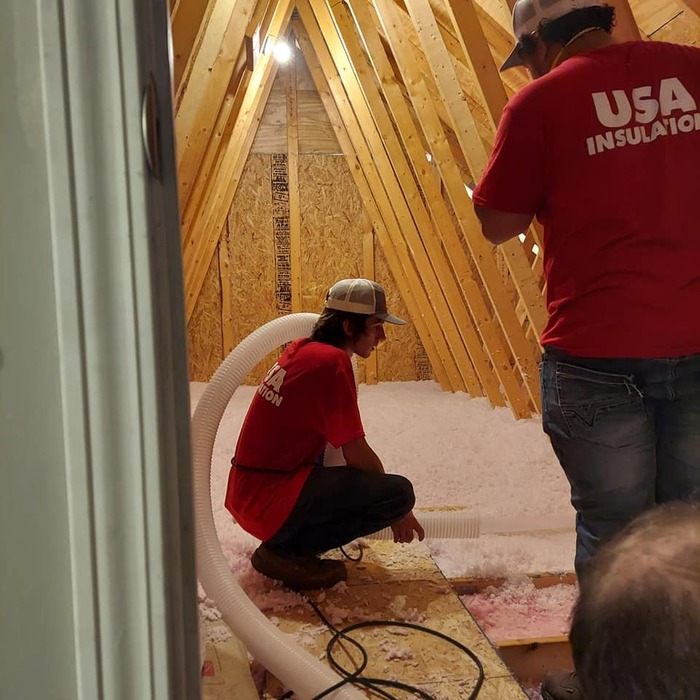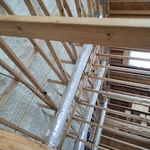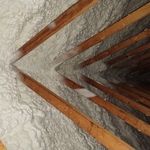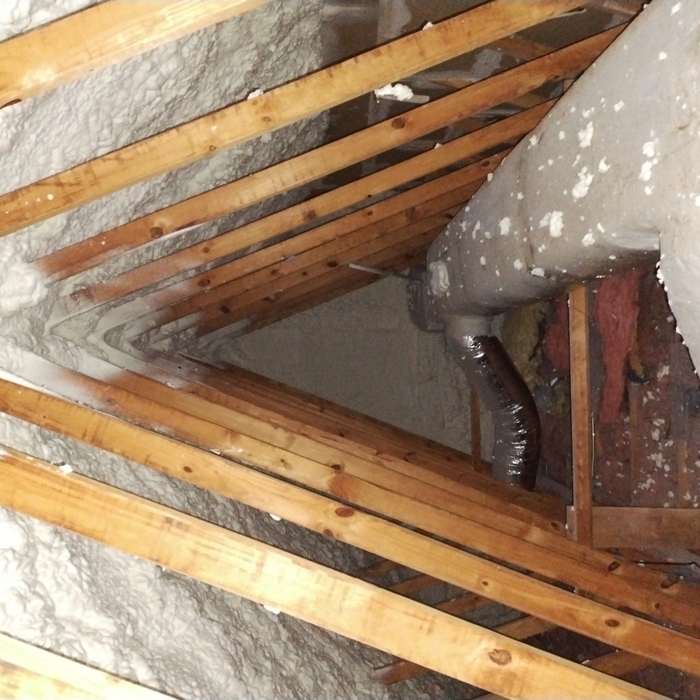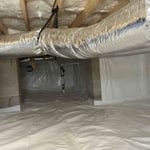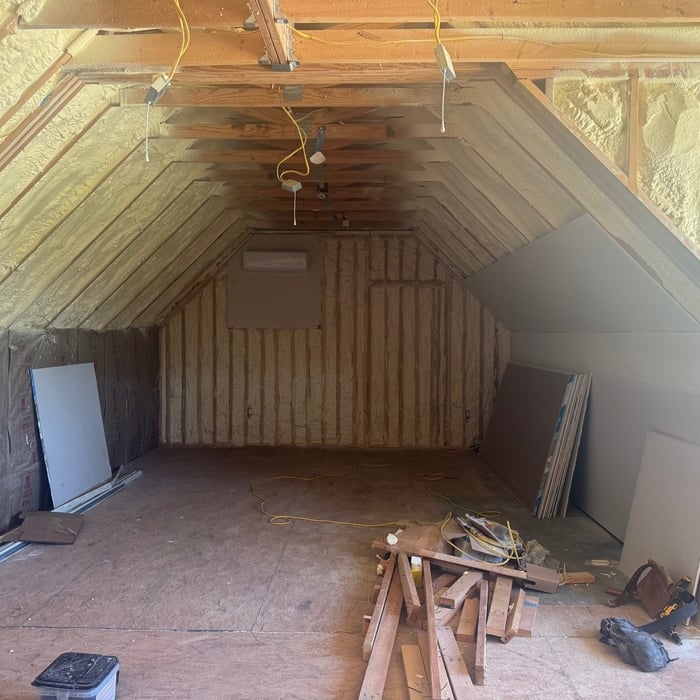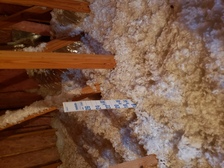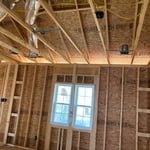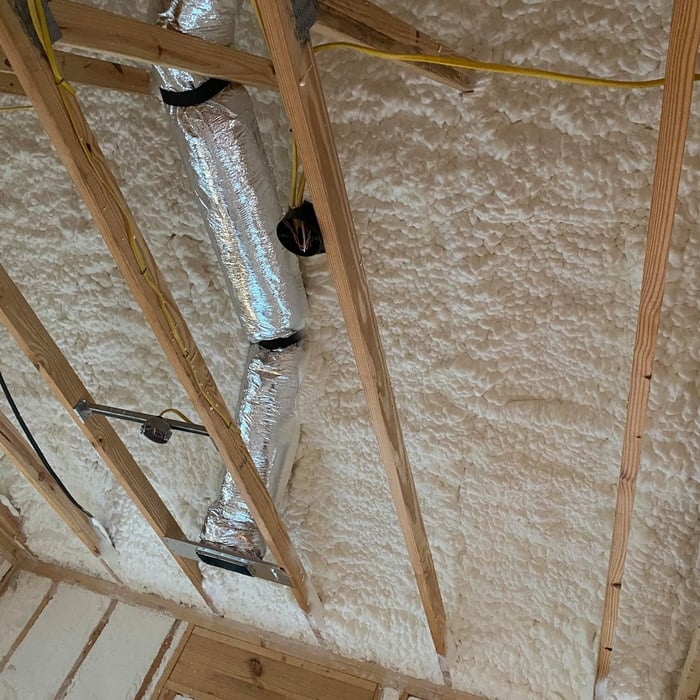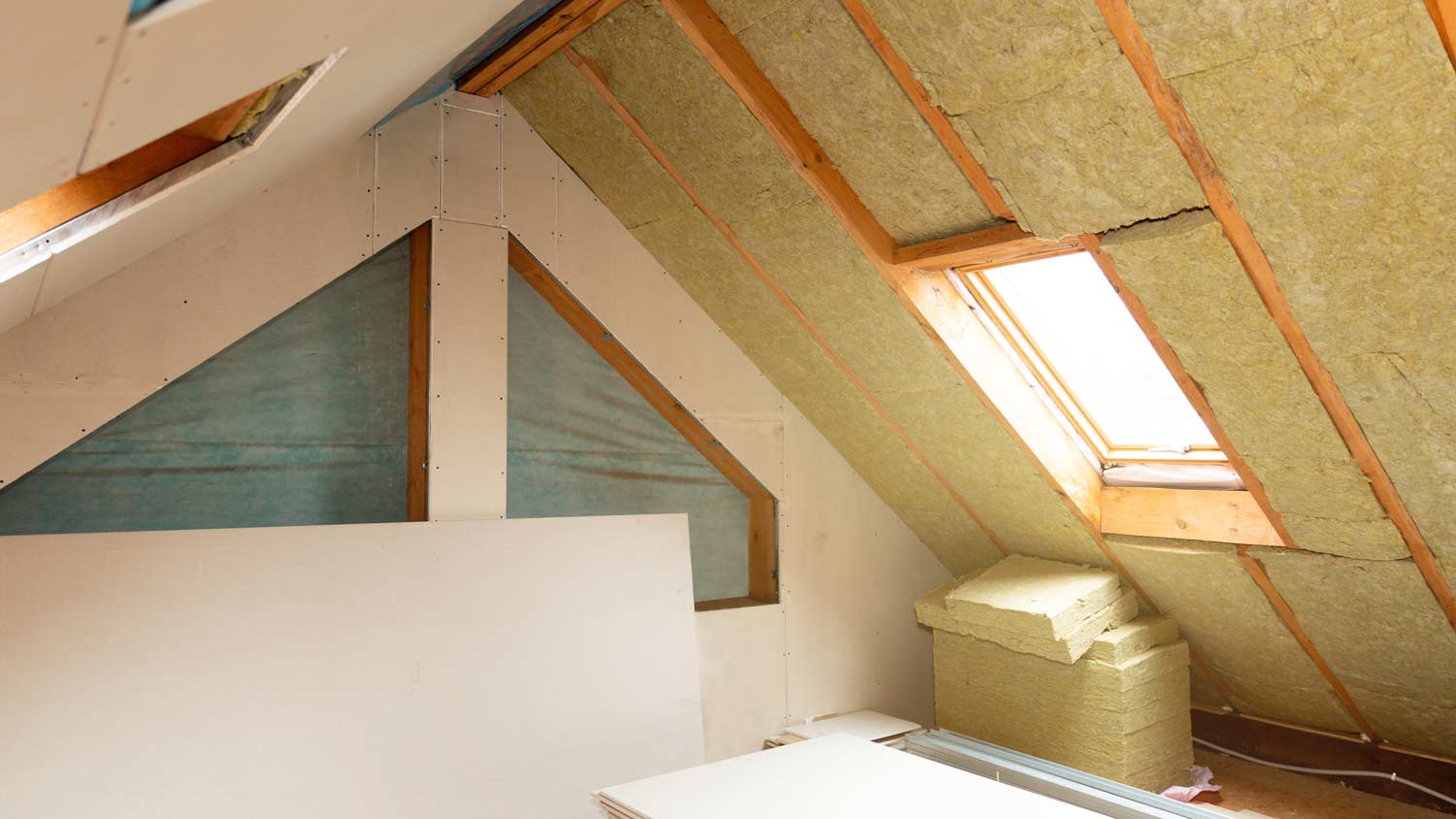



"I was very pleased with the job that the Company did. They installed insulation in my attic. Did exactly what they said they would do and completed the job when they said they would. Could not have asked for more."
"Matthew did a thorough quote at my house shortly before Thanksgiving. Matthew was very professional, on-time and friendly. The technology was impressive as you could see the ?cold spots? around my attic space. I plan to execute the job after the holidays.
I highly recommend Matthew and Insulation Commandos if you need any insulation related work."
"Eddie fully explained the benefit of the planned level of insulation for our attic, uses quality Owen's Corning fiberglass blown in insulation and recommended adding an roof vent attic fan to remove heat/moisture in the summer and moisture in the winter. Currently, we have passive eve vents and roof ridge vent. Cooling inside of the roof with air flow should help extend the life of the shingles by removing stagnant hot air. We chose an electric roof vent fan rather than solar because of the # of cloudy days in our area and humidity. Everything was done quickly on scheduled time, all contacts were professional, kept our home as clean as possible and swept up loose insulation. Pricing was very competitive plus we qualified for TVA energy rebate."
We bring years of expertise and dedication to every project. With a strong background in customer service and technical proficiency, we prioritize delivering top-notch results that exceed expectations. Our commitment to continuous learning ensures that I stay updated with the latest industry trends and best practices. Whether it's troubleshooting complex issues or providing routine maintenance, we approach each task with precision and professionalism. Our goal is to build lasting relationships with clients based on trust, reliability, and exceptional service delivery.\n
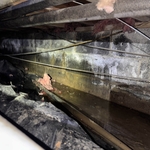
"We would recommend On the Spot. They removed all insulation in attic and basement and replaced it with the appropriate insulation for the house. They covered floors, had a dumpster and left no mess."
"They provided a written estimate in advance. They showed up on time. They were courteous, energetic, pleasant people to do business with. They knew what they were doing. They were clean. Did clean work. Cleaned up after they finished. Careful not to damage anything in the house. Were careful not to damage the lawn with their truck."
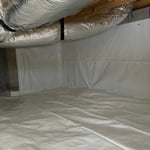
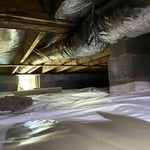
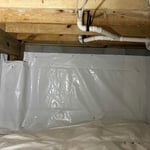
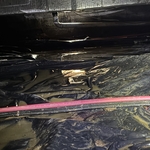
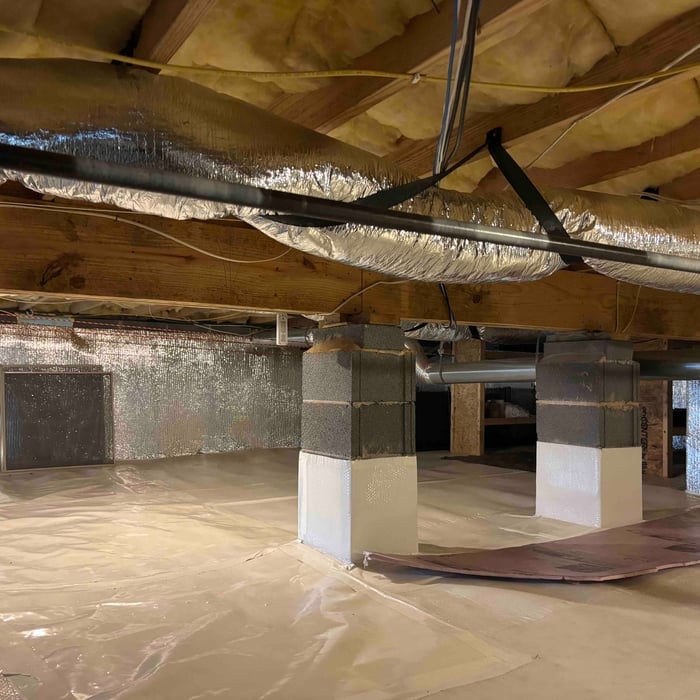
"Reeds reinsulated our attic of 70 years. The former insulation had settled well below the rafters. The work crew vacuumed out the old, sealed around all openings to lights, fans, etc and then blew brand new fiberglass insulation to knee depth. We now have lofty, R-40 rated protection in a 2600 sq' house that heats evenly through out. Reeds will return to encapsulate our crawl space in one month!"
"Dylan came the same day that we needed assistance. Very professional, knowledgeable and kind. Installed our Ecobee thermostat in no time and made sure everything worked perfectly. Found my new HVAC company and person!"
"It went really well! It was excellent work. The clean up was amazing as well. They did a thorough post inspection to make sure all was good. I would highly recommend them again!!"
This depends on how much plaster is applied and in how many layers, but a decent estimate is around 150 square feet. If you are applying only two coats on a small wall, there is a chance you may only need one or two gallons for the entire project. If you are plastering a large living room wall with high ceilings, using one of the more involved techniques–like Scagliola–that requires several coats, expect the project materials costs to add up quickly.
Yes, as drywall mud is going to have some uneven spots and bumps after application. Such imperfections are going to be visible after everything dries and even after you paint the wall, so you want to remove them. Learning how to sand drywall, taking your time, and following drywall sanding tips can help you have the best results.
There are a handful of reasons why your drywall anchors are breaking. Using the wrong type of anchor is the most common problem, so always make sure you’re using the best option for a particular project. That there are electrical wires or plumbing where you’ve placed an anchor or that your drywall is weak are two other possible causes.
Although they have similar applications, spackle and joint compound are not the same. Their primary differences lie in their composition, consistency, and ideal use cases.
Spackle is composed of gypsum and binding agents, making it thicker than joint compound. It dries quickly and is easy to sand, which makes it ideal for small wall repair projects like filling nail holes or patching minor damage.
Joint compound, also known as drywall mud, consists of limestone and gypsum. It is primarily used for large-scale projects, such as taping and finishing the seams on newly installed drywall. It tends to shrink more than spackle and can be more difficult to spread.
While both products can be used to fill small depressions and cracks, spackle cannot replace joint compound for taping and mudding new drywall. Conversely, you can often use joint compound for small patching jobs typically done with spackle.
The age of your home can clue you in to whether you have plaster or drywall ceilings. Homes built after the ‘70s are more likely to have drywall ceilings and walls, while older homes have plaster. You can also do the pushpin test: A pushpin will go into drywall, whereas it’s much harder to push one into a plaster wall. If you’re still unsure, ask a drywall professional to let you know which type of ceilings and walls you have.
The Corryton, TN homeowners’ guide to drywall insulation services
From average costs to expert advice, get all the answers you need to get your job done.
New insulation can make your home more comfortable and boost energy efficiency. Use this insulation cost guide to get an accurate estimate for the installation.
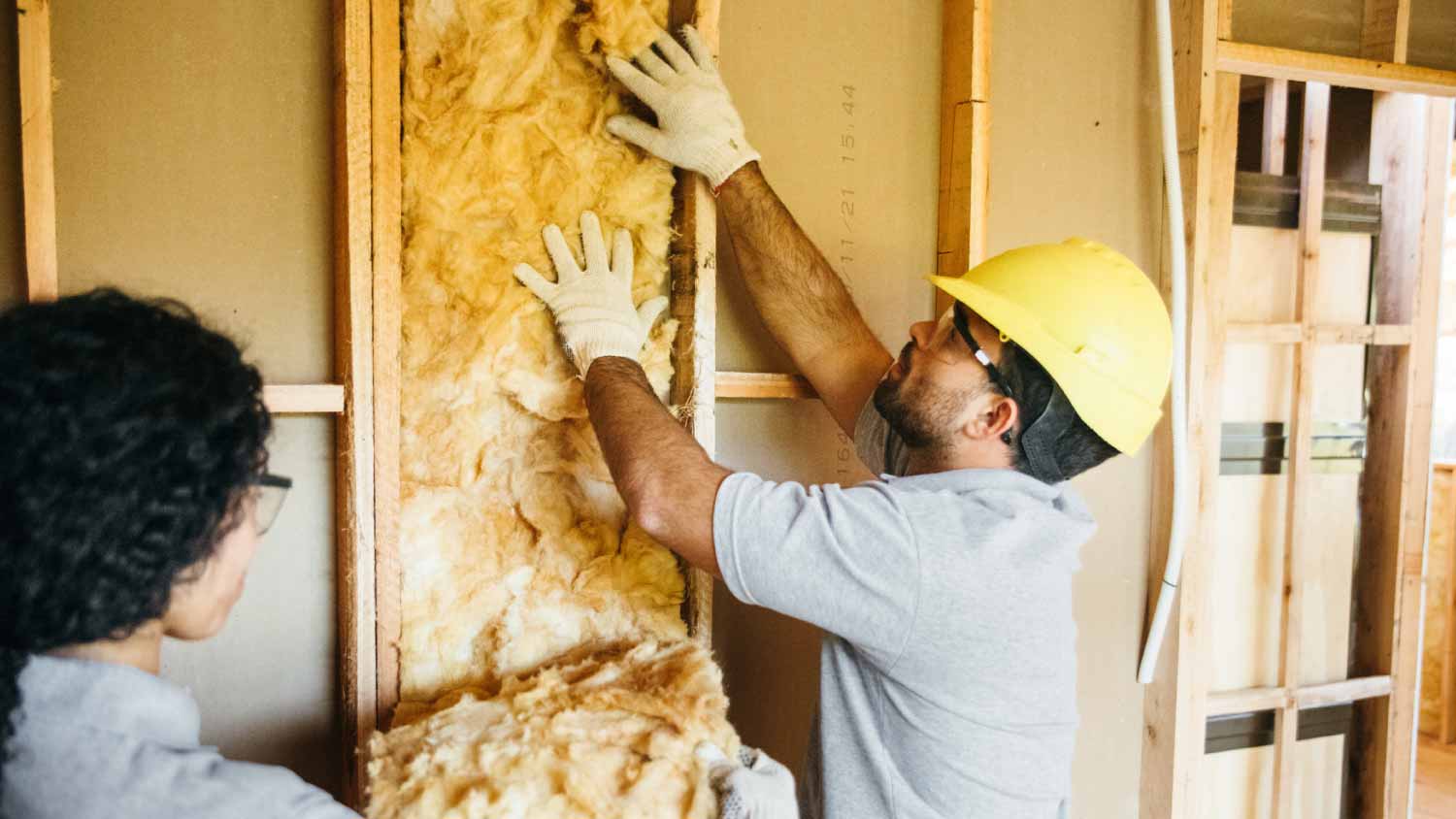
Learning how to insulate plaster walls can help improve your home's energy efficiency. However, there are crucial cautions to consider before attempting.
Thick gaps and extra joint compound can alter the look of drywall. So, should drywall be butt up against a wall? Review this guide for seamless installation.