"The business saw and noticed the damage gutted out half the bathroom and replaced the damaged floor and then replaced the tub and shower. They blended all new work done perfectly into anything that wasnt replaced."
We take great pride in our experience, expertise, quality, and customer service that we provide to meet the consumer's needs. It is our mission to provide excellent workmanship and complete customer satisfaction, from the start to the completion of a project. In order to understand the needs and expectations of our customers, we take great care to work and communicate with every customer in a professional manner. Our reputation is based on service, safety, and quality, regardless of how large or small the job.
The difference between a built-in and regular grill is installation and design. A built-in grill is integrated into an outdoor kitchen or structure, often within a countertop or island. It is a permanent fixture. A regular grill is standalone, portable, or cart-mounted, allowing mobility and versatility in placement. Built-in grills are typically larger with more cooking space, while regular grills come in various sizes. Built-in grills are favored for creating a custom outdoor cooking area, while regular grills provide convenience and flexibility.
Yes, you can lay a gas grill flat during transportation. Laying it flat can help prevent it from moving around the truck during the journey. It’s still advisable to secure the grill with bungee cords, just in case.
On average, a gas grill can last from five to 15 years. The exact lifespan depends on several factors, including the brand and quality of the grill, frequency of use, and whether the gas line is buried or above ground. With proper maintenance and care, such as regular deep cleanings to remove food, grease, and carbon deposits, a grill's life can be extended. Protecting the grill from the elements with a cover can also prevent rust and reduce the need for repairs. Most grill manufacturers also offer extended warranties, which vary in coverage and terms.
Gas grill installation costs around $540 on average, not including the price of the actual grill, and most homeowners pay between $120 and $1,400. This total will go toward laying down a new gas line, connecting it to your existing gas system, pressure testing the line, and connecting it to your grill. Your total project price will depend on the length of the gas line, whether or not the line needs to be installed underground, and the cost of the permits in your area.
While it’s possible to repair minor grill issues like replacing a burner, more serious issues are clear indicators that you need to replace the entire unit. A few signs that your gas grill may be at the end of its life span and it’s time to consider replacing it include:
Rusty or cracked firebox
Weak, yellow, or uneven flames
Flaking, cracking grates
Leaking or cracked propane hoses
Failing igniter
Heavy buildup of grease
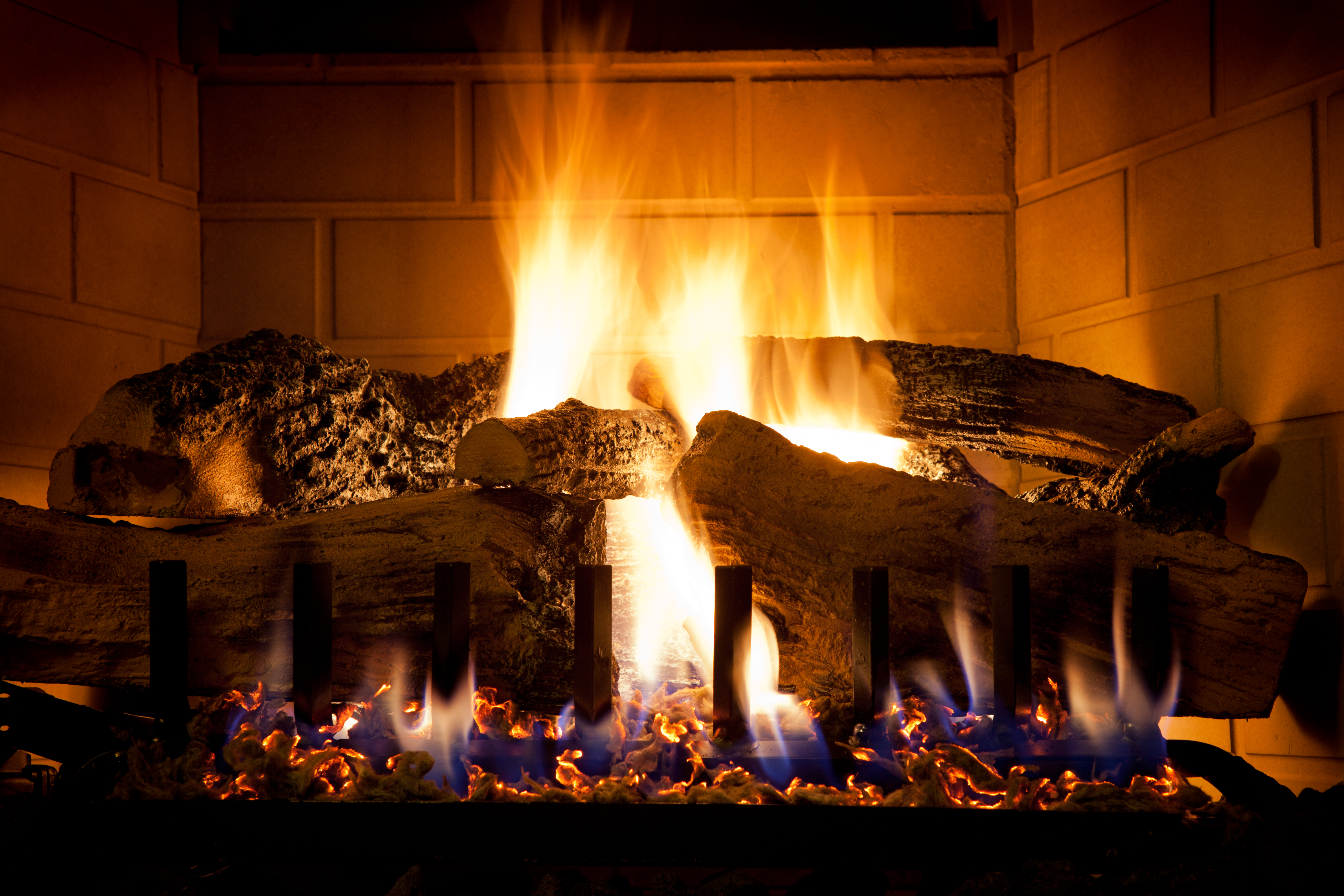
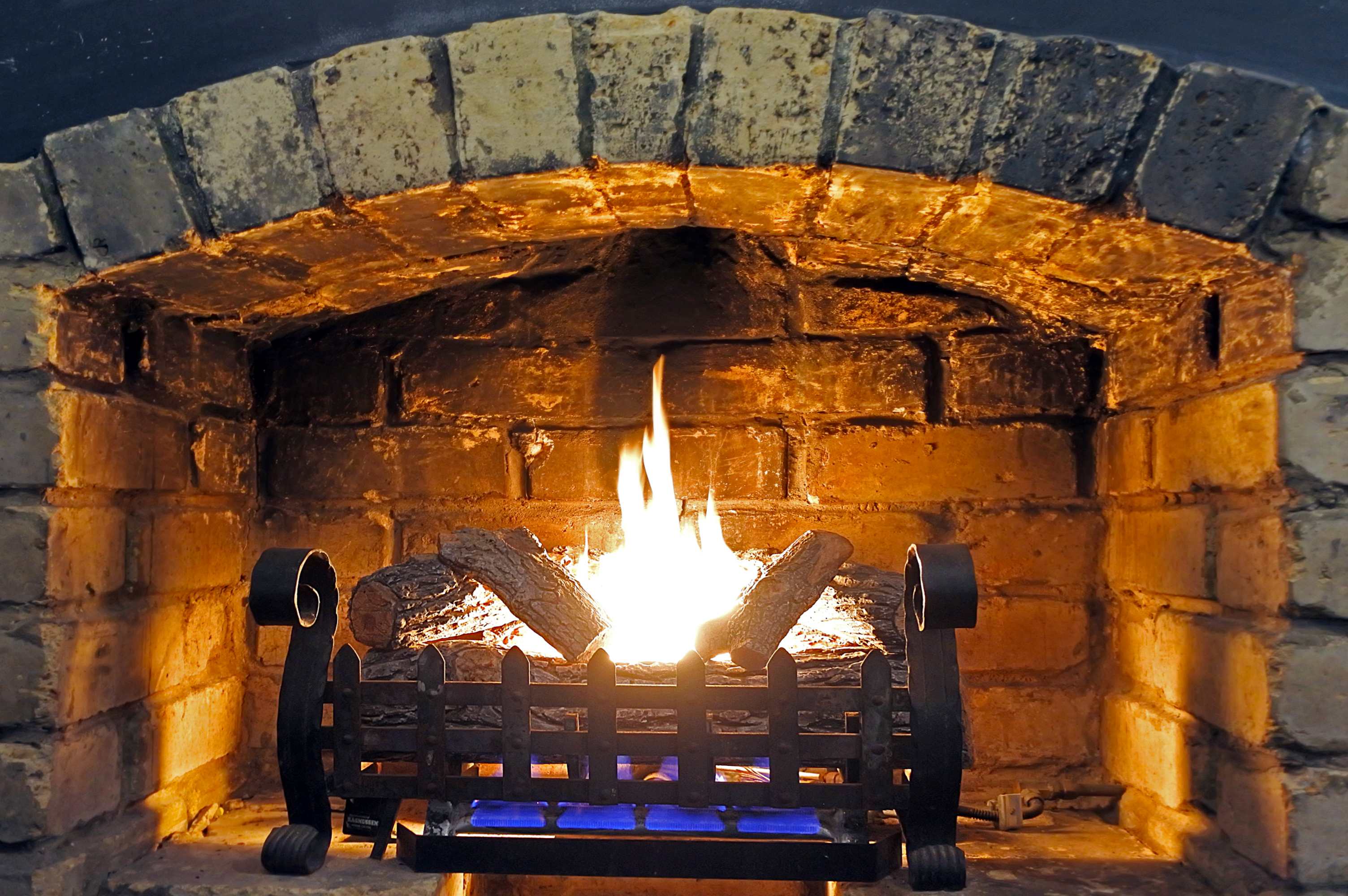
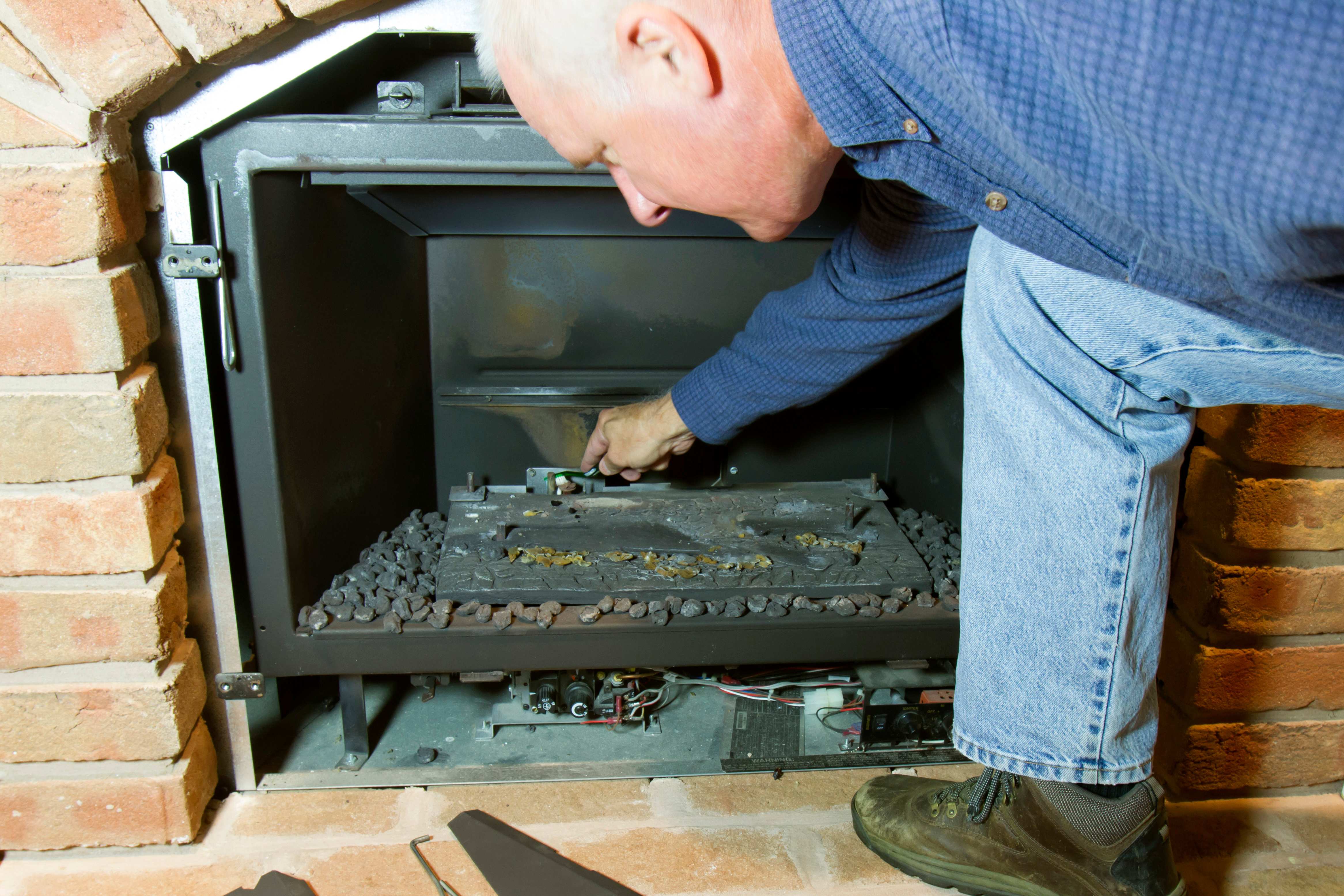
The White River, SD homeowners’ guide to gas log services
From average costs to expert advice, get all the answers you need to get your job done.
This guide shares information about the cost to remove a gas fireplace, including the average price to additionally remove the breast, stack, and chimney flue as well as which experts will be needed to complete the project.
When comparing vented versus ventless gas logs, vented logs are better for ambiance, while ventless gas logs are easier to install and heat a room efficiently.
Ventless gas logs serve the same purpose as vented gas logs. But that doesn’t mean they’re interchangeable. Find out more on whether you can use ventless gas logs in a vented fireplace or not using this informational guide.