We pride our company on reliability, great communication, integrity, and quality work. We are experts in our trade and will do our best to keep you as educated as we can on your particular task or project. We look forward to earning your business! Book with us online or feel free to give us a call today!
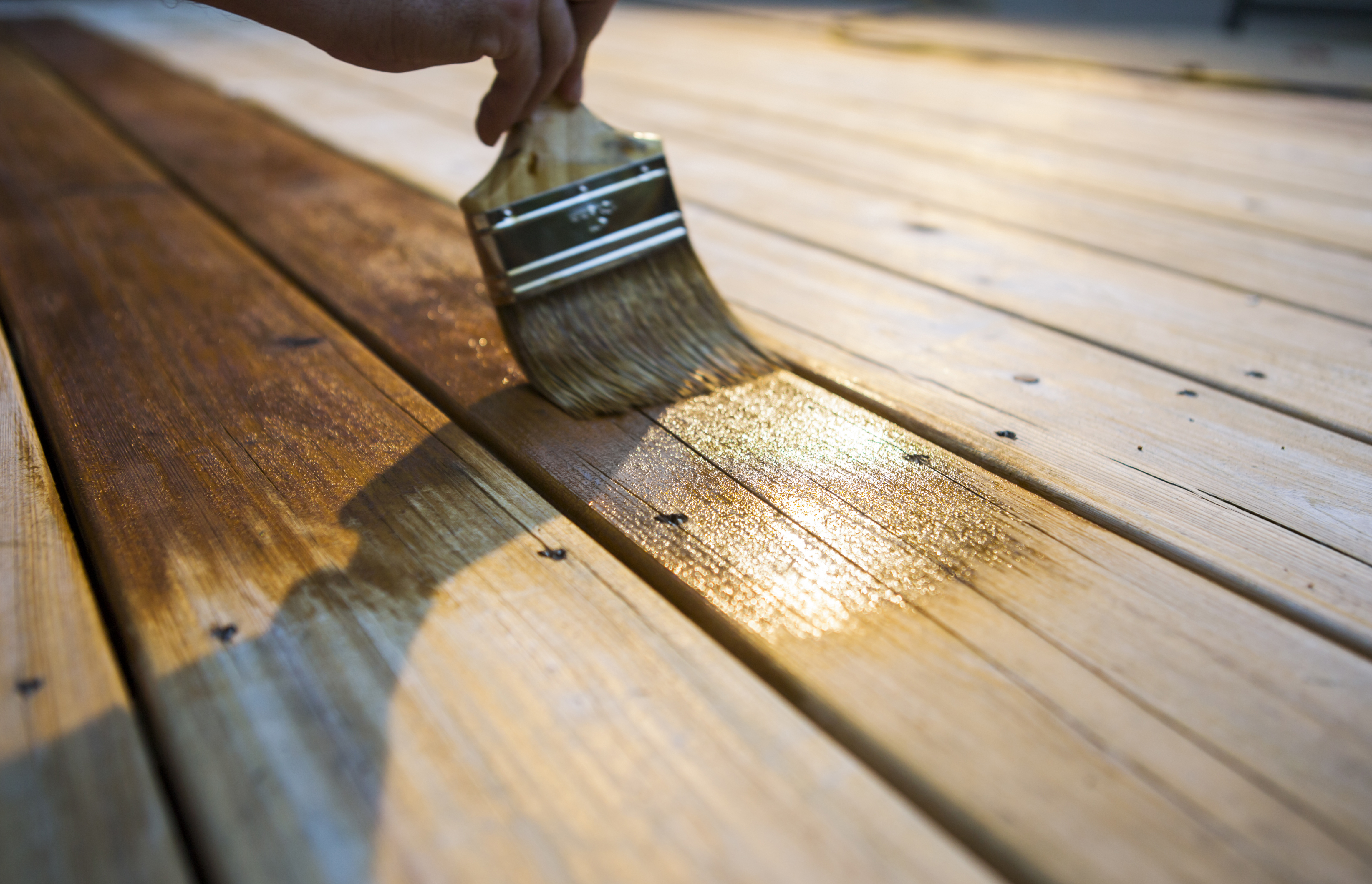
Fence and Deck Restoration \n\n\nAt Dakota Petriwood we specialize in exterior wood care. Our restoration services include cleaning, and sealing outdoor structures such as fences, arbors, decks, and play sets.\n\nRestoring is the key to protecting the woods natural beauty and original form.\n\nBenefits of sealing your fence:\n\nWaterproofs Wood \nExtends Wood Life\nMold, Mildew, and Fungus Resistant \nPrevent Cracking and Splitting, Rotting\nPrevent Carpenter ants, and Termites\n\n(Not Sold in Stores)\n\nCall us at 605-951-0045 or visit www.dakotapetriwood.com
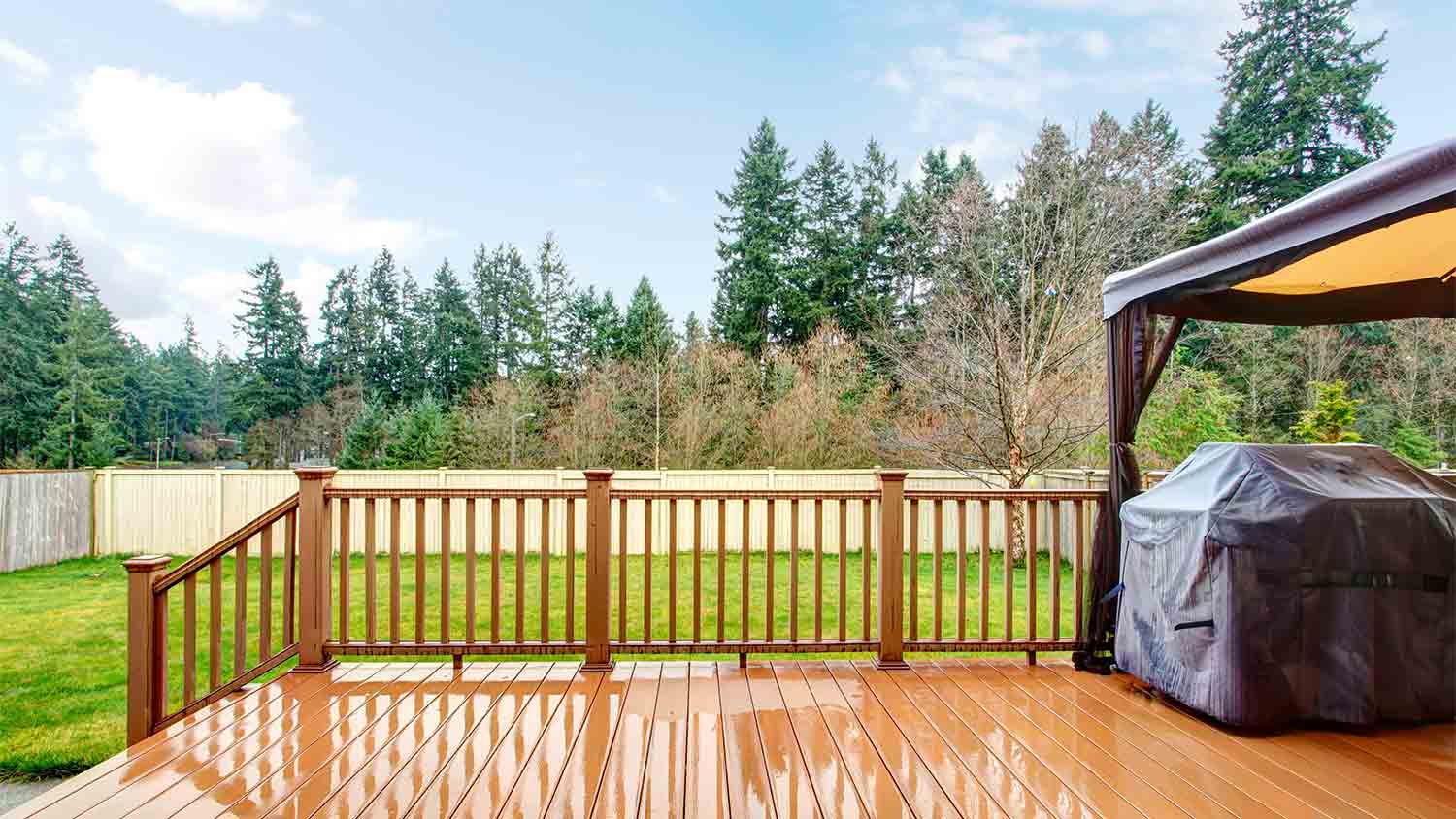
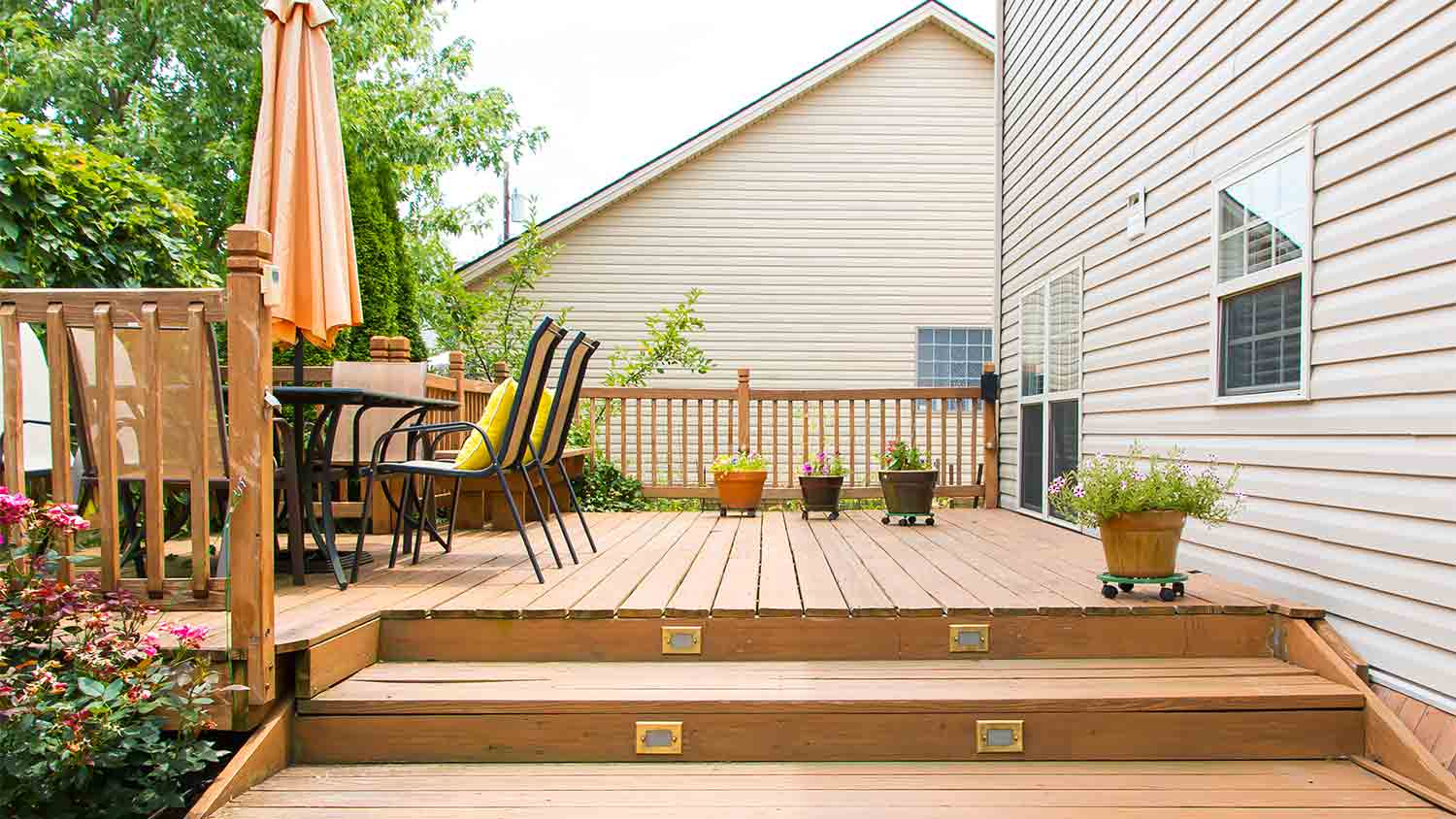
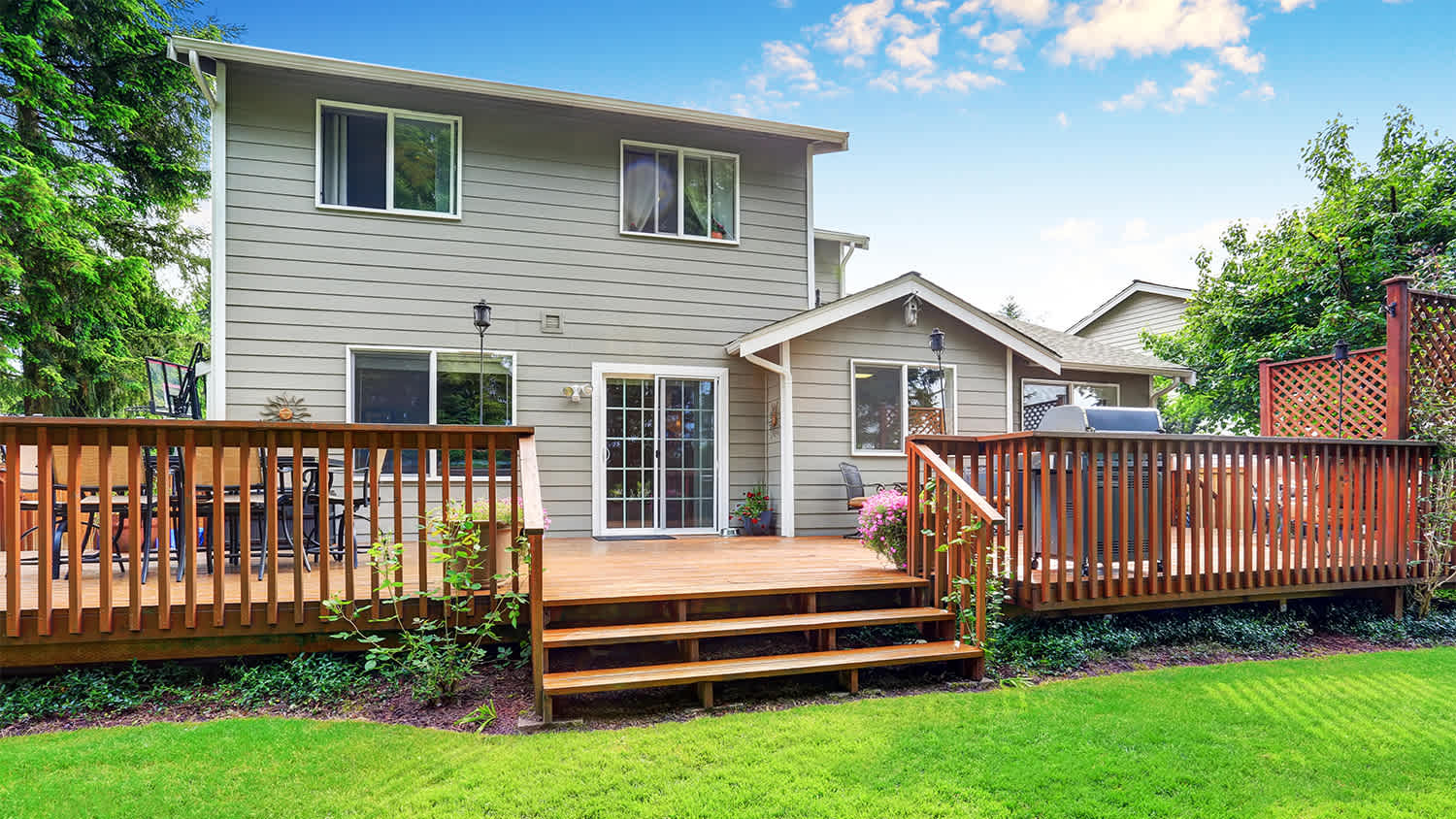
Local building codes don’t specify the number of steps a deck can have before a railing is required, mainly because stair height varies widely. Most areas require decks 30 inches or higher to have a railing. While not exact, that roughly equates to four to seven steps.
Footings for ground-level decks need to be at least 12 inches deep, and some areas require them to be even deeper. A standard range for deck footings is anywhere from 12 to 48 inches. The minimum footing depth is determined by an area’s frost line and soil conditions. If you’re unsure how deep to install deck footings, check local building codes to find the minimum footing depth in your area.
Deck repairs cost around $800 to $3,500 . However, your cost depends on the type and severity of the repair, as well as the type of decking material you have. Other factors, like location and labor costs, impact the price, too. Boards and railings are the priciest parts of a deck to repair, while loose stairs are less expensive to fix.
While you can use various materials like sand or even just soil, gravel is widely considered the best option to put under a deck. It provides excellent drainage and is resistant to water, fire, and pests. Gravel also helps anchor the soil to prevent erosion during heavy rain and acts as a built-in weed blocker, reducing regular upkeep. Furthermore, it is simple to spread, available in various textures and tones, and adds a polished look that complements any deck design.
How long it takes to install composite decking depends on the size of the decking material, the skills of the person installing the deck, the number of people helping, and how much prep work needs to be done before you can begin. Generally speaking, it takes anywhere from a few days to several weeks to build a composite deck.
The White River, SD homeowners’ guide to deck maintenance services
From average costs to expert advice, get all the answers you need to get your job done.
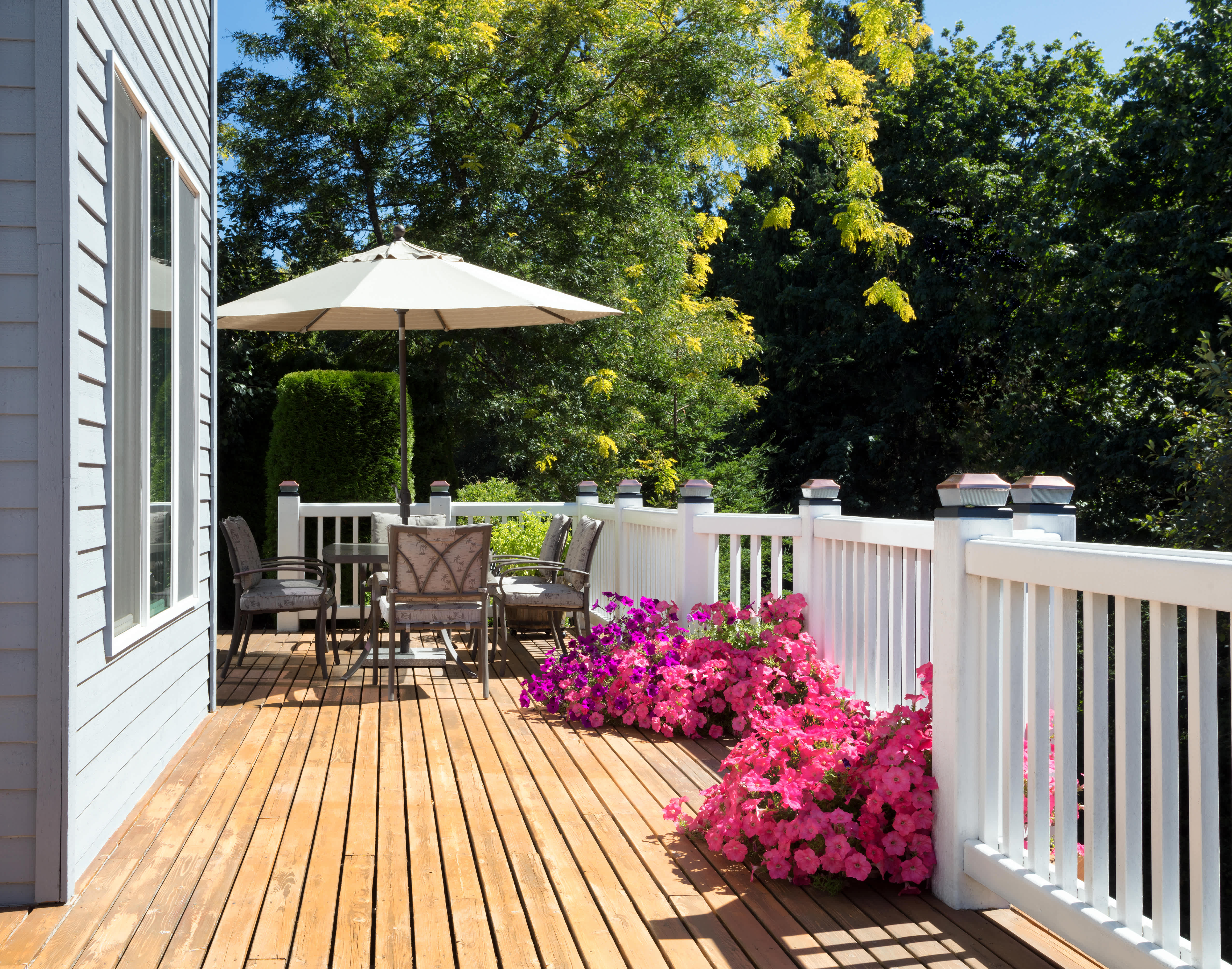
Deck maintenance is vital to protecting a wooden deck. Cleaning, staining and sealing a deck after pressure washing will add years to its lifespan. Protect a deck by following these deck maintenance tips for cedar and other types of wood materials.
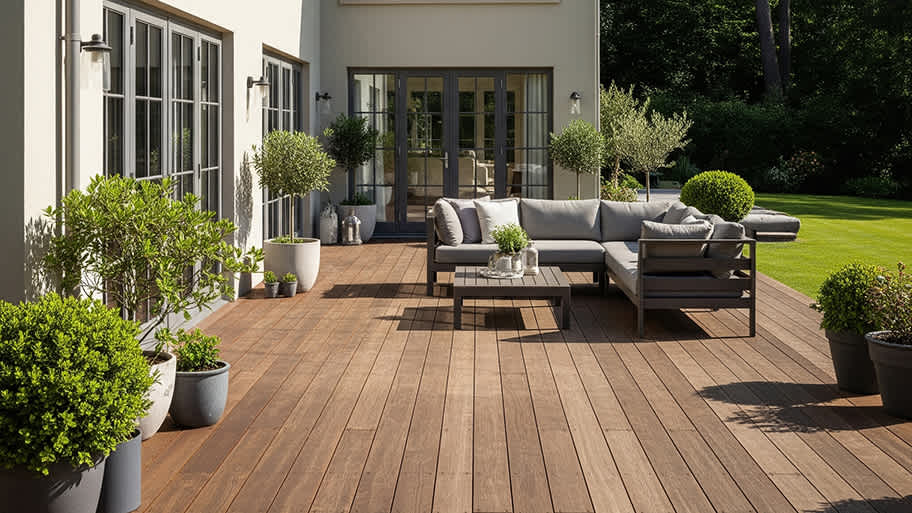
Finding maintenance-free decking that works for your home, budget, and lifestyle can be challenging. This guide lists the 7 best low-maintenance deck materials.