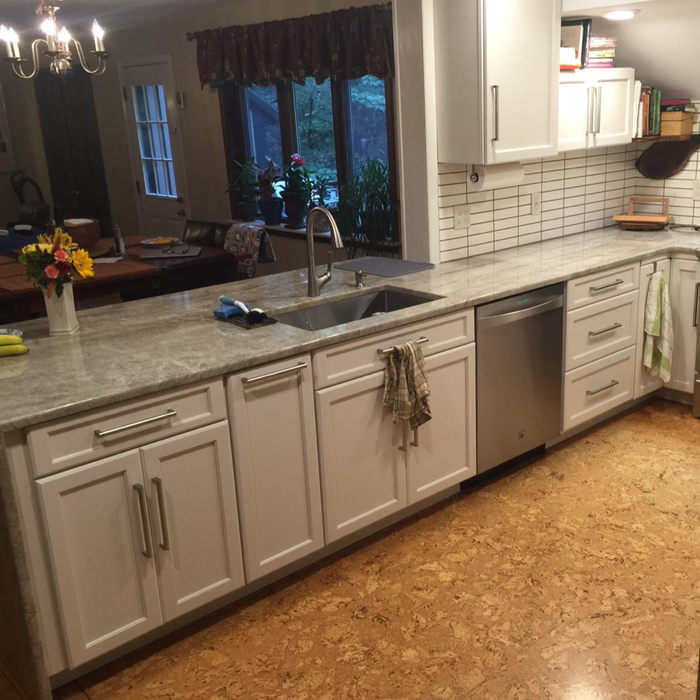
"We love our cabinets! They look fantastic while remaining affordable. The friendly staff at AWD helped us from start to finish. They are very knowledgeable and gave us advice and tips when needed. They were receptive and patient with our ever-changing needs. Once we finalized our purchase, we received our cabinets within two weeks! The cabinets are very sturdy and the color is beautiful. The hinges and hardware are high quality. We are extremely pleased with AWD and would recommend them to any friends or family looking for good cabinets at a fair price."
"Yes I got the job and Homeowner was Happy and I the best was the office Material and everything I needed was Tristen Did Fabulous Job would work with on any project Thank you Tristen awesome Job"
With over 29 years of experience in the Cabinets & Countertops industry, we are the experts you need to take care of your home or business. We take pride in our quality of work, will treat your home as we would treat our own. Give Spanier Woodworking, Inc., a call today, we look forward to working with you!
The cost to install a kitchen island can range from $900 to $6,500, with an average price of around $4,800 for most homeowners. The final cost depends on whether you choose a prefabricated or custom-built option. It is generally cheaper to buy a prefabricated island than to build one from scratch. A budget-friendly prefabricated cart can cost between $150 and $900, while a permanent prefabricated stationary island costs from $900 to $5,000. Custom-built kitchen islands average $4,800 but can cost $10,000 or more, depending on factors like materials, size, design complexity, and accessibility.
You aren’t obligated to tip cabinet contractors, but you can choose to do so if they went above and beyond and you want to show your gratitude. This is usually something in the ballpark of 10% to 15% of your total cost. As an alternative, you can provide snacks and drinks for workers and/or offer to serve as a reference for prospective customers.
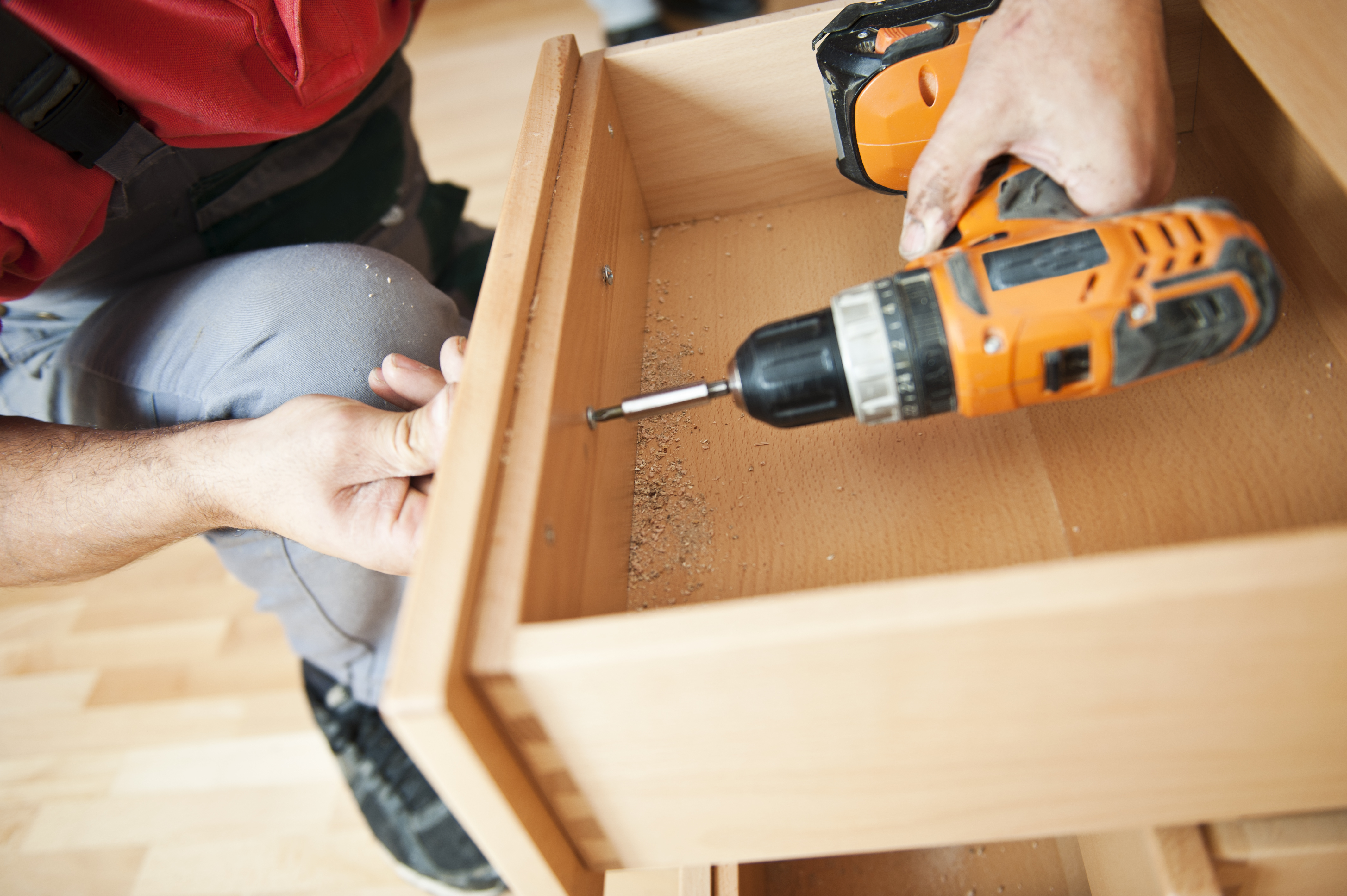
There are three primary ways to attach upper kitchen cabinets to a wall, and installers may use more than one method at a time. The most common method is to drive screws through the back of the cabinets and into studs in the wall behind. Sometimes cabinets are glued to the wall with strong adhesive. Often a combination of screws and adhesive is desirable. The last way is by hanging the cabinets on hardware brackets that attach to the wall before cabinet installation.
In a kitchen installation, starting with the foundation and structural elements before moving on to the finishing touches is essential. Framing, plumbing, and utilities should go first, followed by cabinetry and countertops, then plumbing fixtures and new appliances. Flooring, paint, tile backsplashes, and similar finishing touches should get installed last.
For safety when installing a vanity, attaching the vanity to the wall is ideal to prevent it from moving. Typically, sinks must be 4 inches away from bathtubs. Also, most states require that you have 21 inches in front of a sink, but the National Kitchen and Bath Association (NKBA) recommends 30 inches for more comfort.
The Wanblee, SD homeowners’ guide to cabinet making services
From average costs to expert advice, get all the answers you need to get your job done.
When refinishing your cabinets, you’ll need to consider the condition of your cabinets, budget, color, and stain preference. Find the cost to refinish cabinets in this guide.
All rooms require various storage solutions for everyone’s needs. Find ways to increase your cabinet storage space outside the kitchen to stay organized.