



"Install was easy. Up front cost was pretty low with Angie's List coupon. Monthly price is a little high compared to competing companies. Response time with alarms is excellent. I was advised to use glass break alarms within 10 ft of my first floor windows, which we installed correctly. I asked prior to installation if having one in the kitchen would cause false alarms due to dishes clanging, etc. I was told the glass break alarms are configured to a precise frequency that alarms with breaking glass. So, not a "no", but not really an answer. Well, every time we cook dinner, wash dishes or empty the dish washer, the kitchen glass break alarm gives a warning which would sound the alarm if it was set. This has caused us a number of false alarms while we've been away due to shifting bowls or plates in our drying rack. For the first several we've had to pay our police department $120 to check the house, and I was only notified after the first alarm that there was a cheaper option for a security company to drive by to check for a break in."
You can easily and cheaply use tin foil or cardboard to black out your windows. Save a pretty penny by cutting either material to the size of your windows and taping it to the window. This is one of the easiest and most budget-friendly blackout solutions, but it definitely isn’t the most aesthetically friendly.
Cellular shades, also known as honeycomb shades, are the most energy-efficient and insulating window treatments. Their honeycomb structure is made of soft fabric that forms layered cell pockets. These pockets trap air, creating a thermal barrier that reduces heat loss in the winter and blocks heat gain in the summer. For even greater insulation, consider double- or triple-cell varieties. Side-tracked cellular shades, which seal the edges of the window frame, can further minimize air leaks and maximize energy efficiency.
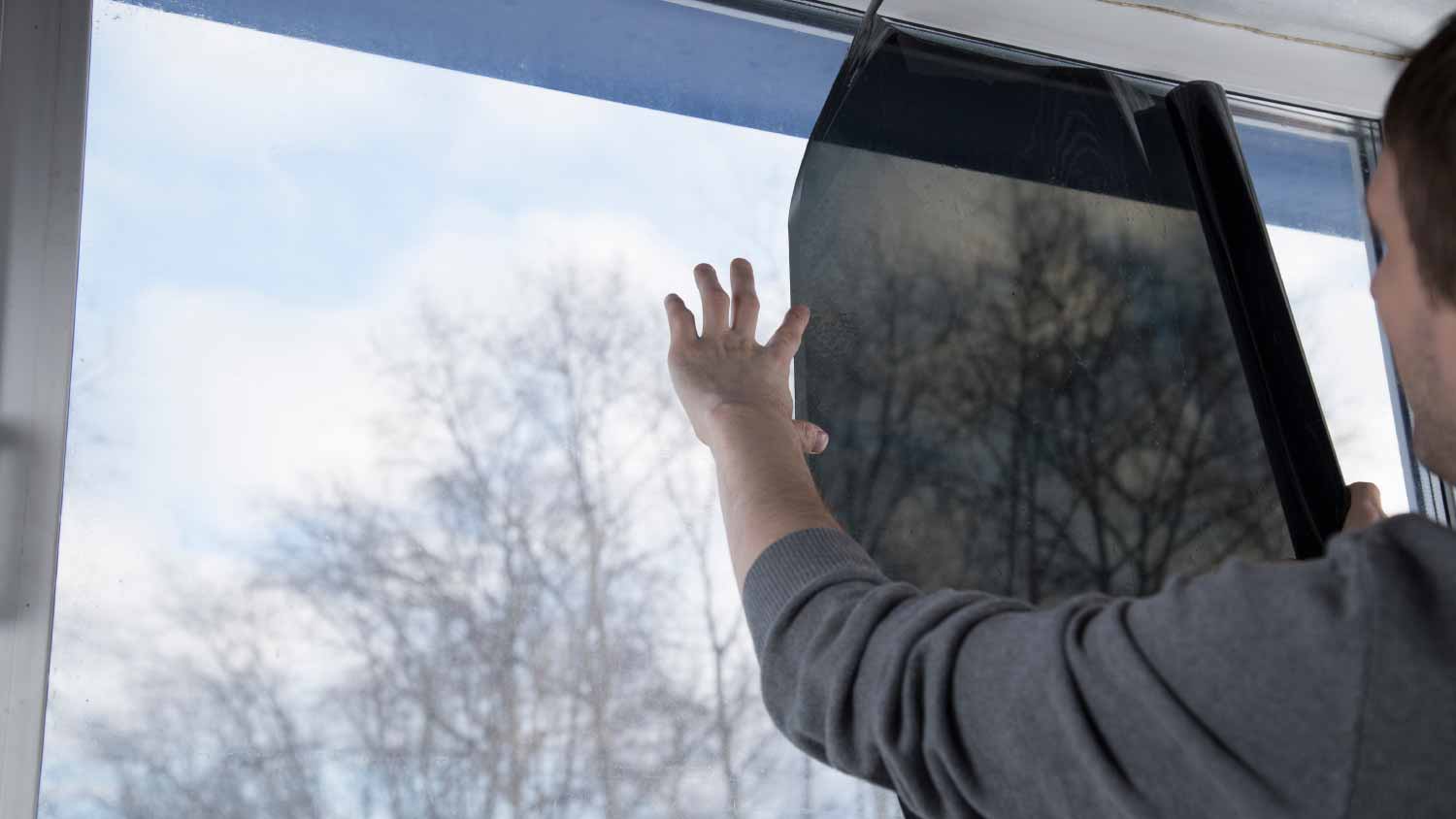
While you need heat to peel back window film, the tint will often leave behind adhesive residue. You can use chemicals such as isopropyl alcohol or acetone to remove the residue, though hardware stores sell specialized solutions for this purpose as well. You can also use soapy water in a pinch!
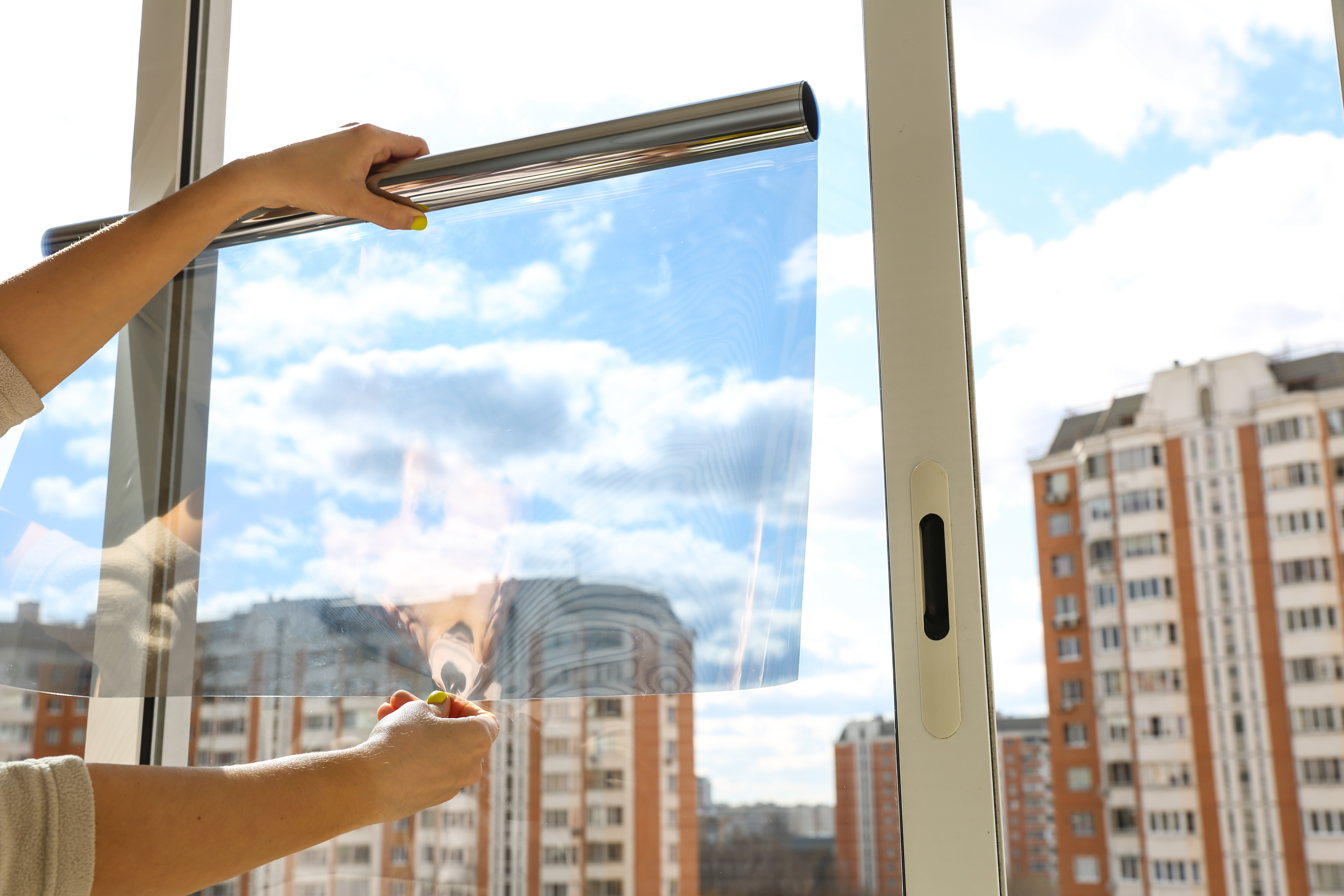
While it is possible to install home window tint yourself, it is a challenging task that is often best left to professionals. The process can be tedious and time-consuming, requiring steady hands and a great deal of patience, especially for a first-time installer.
Common mistakes in DIY applications include visible bubbles, imperfections, and film that either hangs over the edges or doesn't fully cover the glass. These errors not only look unprofessional and detract from your home's curb appeal but can also reduce the tint's effectiveness in blocking sunlight and heat. If you have struggled with applying protective films to smaller items like phones or tablets, you may find this task particularly difficult.
Attempting the installation yourself and making a mistake can lead to wasted material and the additional cost of hiring a professional to fix the issues or redo the job. Although hiring a professional involves labor costs, it typically guarantees a high-quality, seamless appearance and saves you from having to do the work over again.
Most window installation and repair companies can handle putting tint film over your existing windows, but it’s best to hire a company that specializes in window tinting. This decision will result in the best application for the cleanest look, and it usually means you’ll get a better professional opinion about the type of tint and tint level that makes the most sense for your home and personal preferences.
The Scotland, SD homeowners’ guide to window tinting services
From average costs to expert advice, get all the answers you need to get your job done.
Can I tint my house windows? Home window tinting is a small upgrade that can yield major benefits. Here’s everything you need to know before taking the plunge.