




"Install was easy. Up front cost was pretty low with Angie's List coupon. Monthly price is a little high compared to competing companies. Response time with alarms is excellent. I was advised to use glass break alarms within 10 ft of my first floor windows, which we installed correctly. I asked prior to installation if having one in the kitchen would cause false alarms due to dishes clanging, etc. I was told the glass break alarms are configured to a precise frequency that alarms with breaking glass. So, not a "no", but not really an answer. Well, every time we cook dinner, wash dishes or empty the dish washer, the kitchen glass break alarm gives a warning which would sound the alarm if it was set. This has caused us a number of false alarms while we've been away due to shifting bowls or plates in our drying rack. For the first several we've had to pay our police department $120 to check the house, and I was only notified after the first alarm that there was a cheaper option for a security company to drive by to check for a break in."
Some frosted glass sprays can handle the outdoors, but most of them aren't built for it. Sprays made for exterior use will say so clearly on the label. Anything marked “interior use only” can't hold up against rain, UV exposure, or changing temperatures without peeling, fading, or yellowing. Outdoor-rated sprays are typically more durable, but even then, proper prep and application matter. Before spraying anything outside, double-check the product instructions. If it doesn’t specifically mention exterior use, skip it.
Energy-efficient windows are judged on their performance according to a few different factors, including heat transfer, air leakage, light transference, and condensation resistance. If you're unsure whether a window is energy-efficient, look for an ENERGY STAR® label from the U.S. Environmental Protection Agency (EPA). If various products, including windows, meet energy-efficiency standards set by the federal government, the EPA issues this label to help consumers identify energy-efficient products.
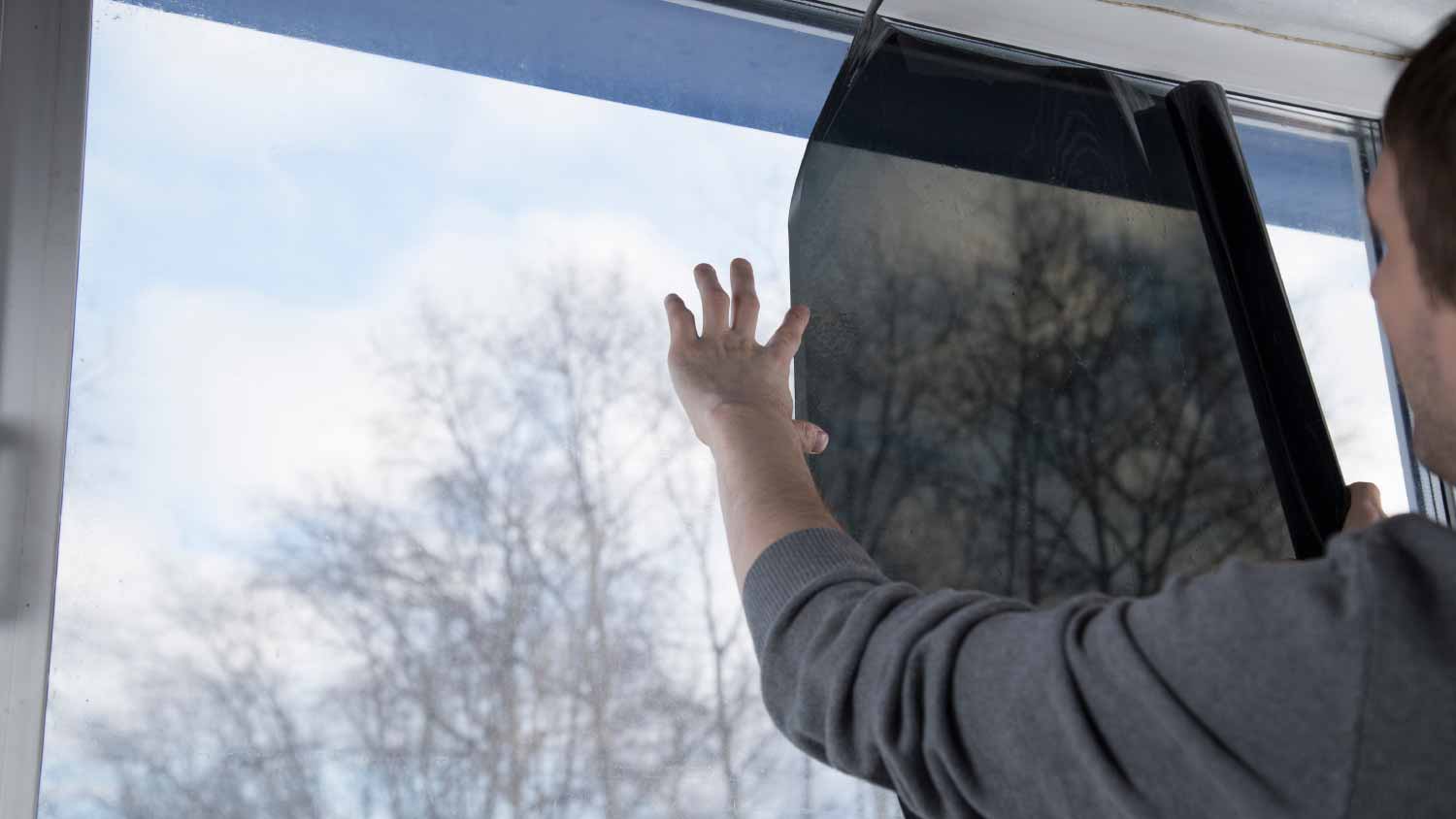
The most popular way to remove home window tint is by using a hairdryer. Most people already have one in their home, but if you don’t, you can buy one for as little as $15. All you need to do is turn the hairdryer to its hottest and highest setting and run it over the window tint for a few minutes. Then, you can easily peel it away. You may need some goo remover for any leftover adhesive, but this DIY could be free for many people.
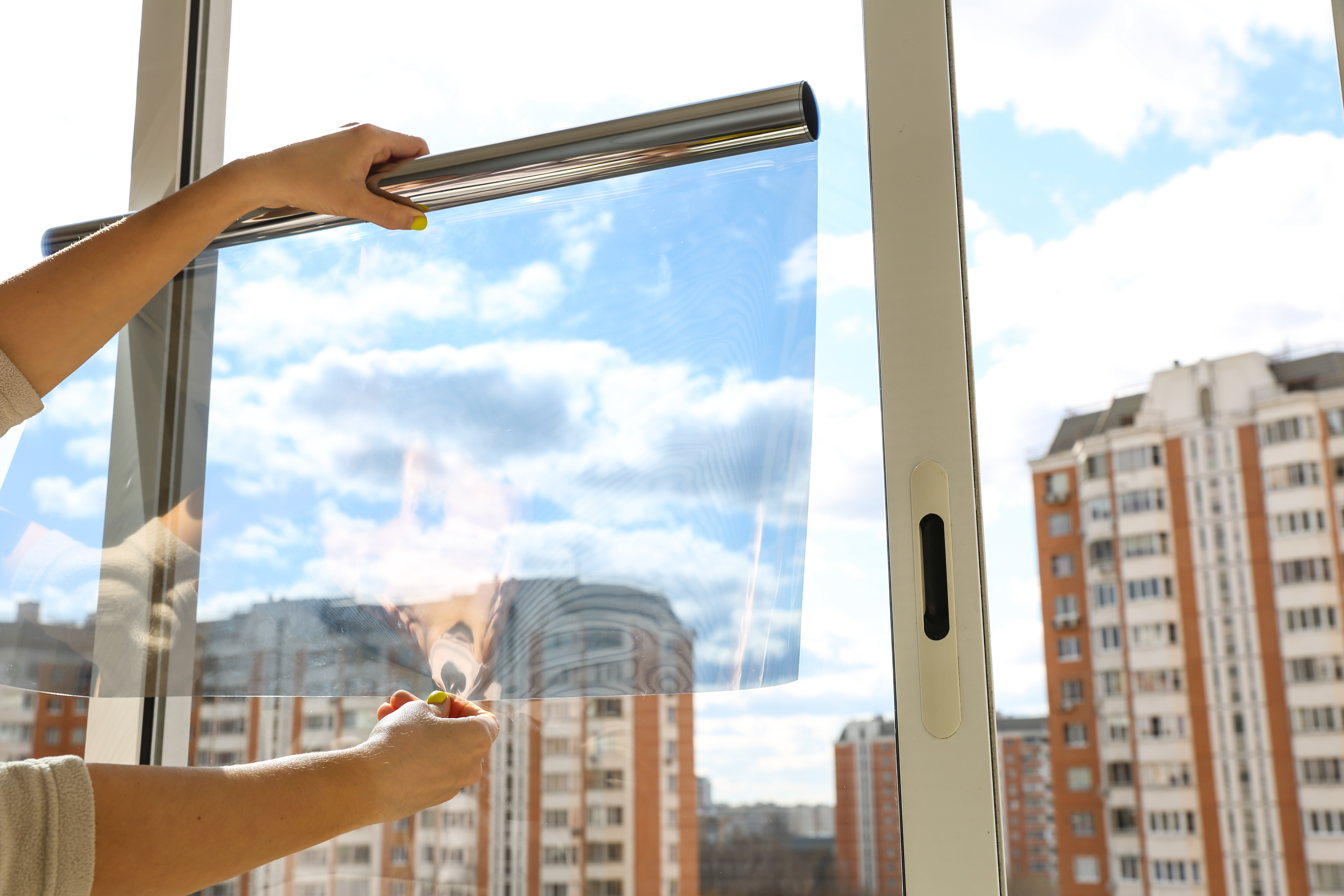
While it is possible to install home window tint yourself, it is a challenging task that is often best left to professionals. The process can be tedious and time-consuming, requiring steady hands and a great deal of patience, especially for a first-time installer.
Common mistakes in DIY applications include visible bubbles, imperfections, and film that either hangs over the edges or doesn't fully cover the glass. These errors not only look unprofessional and detract from your home's curb appeal but can also reduce the tint's effectiveness in blocking sunlight and heat. If you have struggled with applying protective films to smaller items like phones or tablets, you may find this task particularly difficult.
Attempting the installation yourself and making a mistake can lead to wasted material and the additional cost of hiring a professional to fix the issues or redo the job. Although hiring a professional involves labor costs, it typically guarantees a high-quality, seamless appearance and saves you from having to do the work over again.
Yes, most professional-grade window films include warranties covering fading, peeling, and bubbling.
The Tripp, SD homeowners’ guide to window tinting services
From average costs to expert advice, get all the answers you need to get your job done.
Can I tint my house windows? Home window tinting is a small upgrade that can yield major benefits. Here’s everything you need to know before taking the plunge.