




Doorbell Installation questions, answered by experts
Spreading tin foil over your windows works similarly to radiant barrier insulation, but not as well. It will reflect some of the sunlight that would otherwise come through the glass and warm up the inside of your home, so it might help a little to keep your home cool in the summer. However, the appearance isn’t preferable to blinds or drapes that can offer the same benefits. You might also consider tinting your windows instead, which is a more aesthetically pleasing change that can still block a good portion of the solar heat coming through your windows.
While insulation is required for all exterior walls in a house, it is not typically required for interior walls. Local and state building codes mandate that new construction homes have adequate insulation in exterior walls and ceilings to suit the local climate.
However, there are several benefits to adding insulation to interior walls. It is excellent for sound-dampening between rooms and can help with temperature control by maintaining a regulated temperature in specific rooms and lowering heat transfer between adjacent areas. Insulating interior walls can also contribute to the overall energy efficiency of your home.
The cost to install a radiant barrier ranges from $700 to $2,800, depending on the size of your roof and the type you choose. Most people pay an average of $1,700 to install a radiant barrier. Foil options, both single- and double-sided, cost between $0.10 and $0.90 per square foot, while spray-on options start at $0.60 and go all the way up to $1 per square foot—which can add up quickly.
Fiberglass is considered a favorite garage insulation choice due to its combination of affordability, ease of installation, and overall effectiveness. Fiberglass provides good thermal resistance, helping regulate garage temperatures and minimize heat transfer. Additionally, fiberglass is moisture-resistant, reducing the risk of mold or mildew formation.
Structural insulated panels and rigid foam boards have the highest R-value of any insulation that contractors commonly use, with R-values reaching up to around 8.0. These types of insulation are best in extremely cold climates, but they’re generally preferred for new construction, as they can be challenging to retrofit. Blown-in and loose fill insulation provide the next best insulative value, provided the installation is done properly. It’s important to choose an insulation type that meets your needs based on climate, as maximizing R-value may not always be financially worthwhile if you live in a moderate climate.
The Salem, SD homeowners’ guide to doorbell installation services
From average costs to expert advice, get all the answers you need to get your job done.
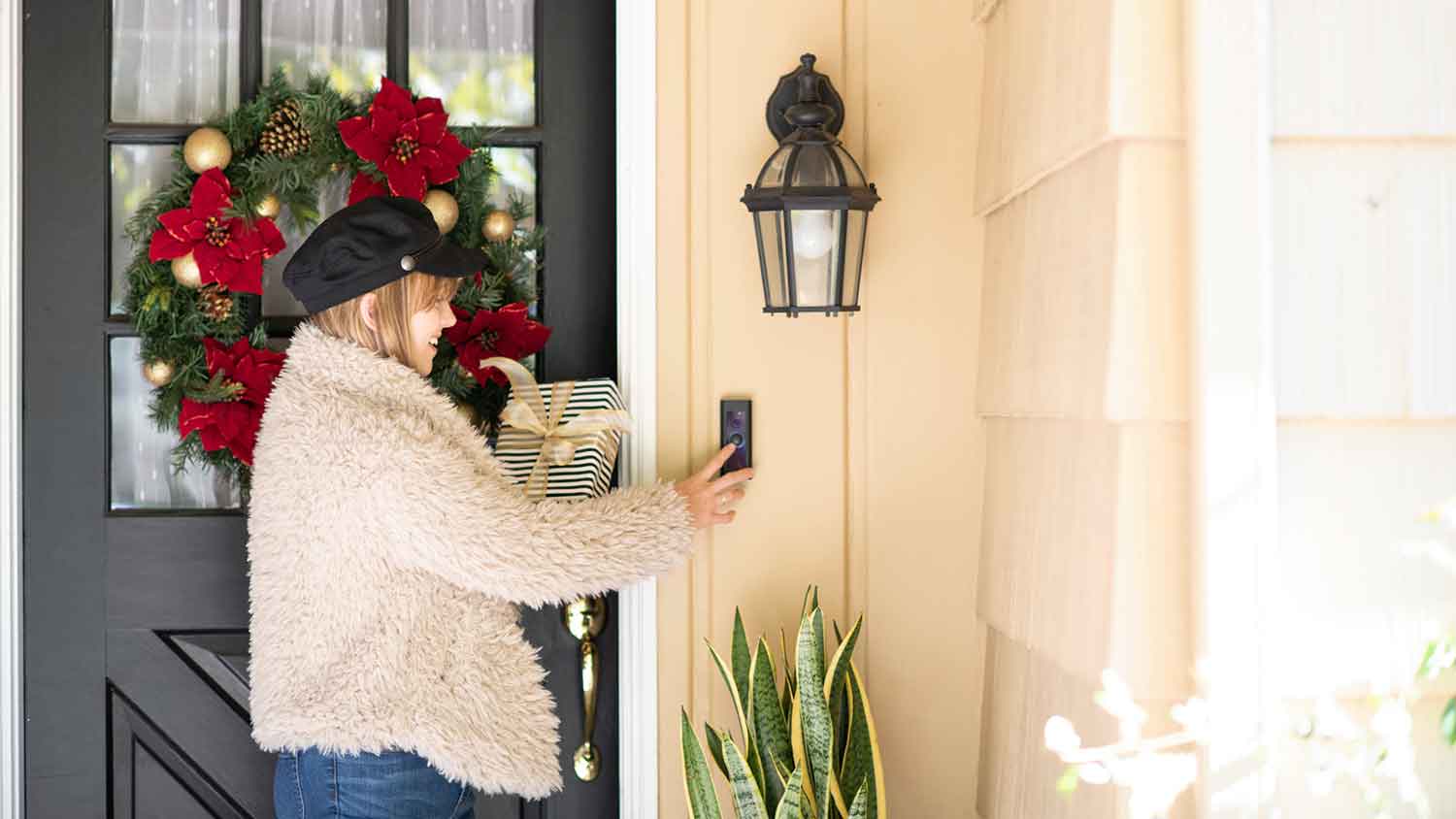
Ring a bell? From replacing a wired doorbell to setting up a smart home system, learn about typical doorbell installation costs, including materials and labor.
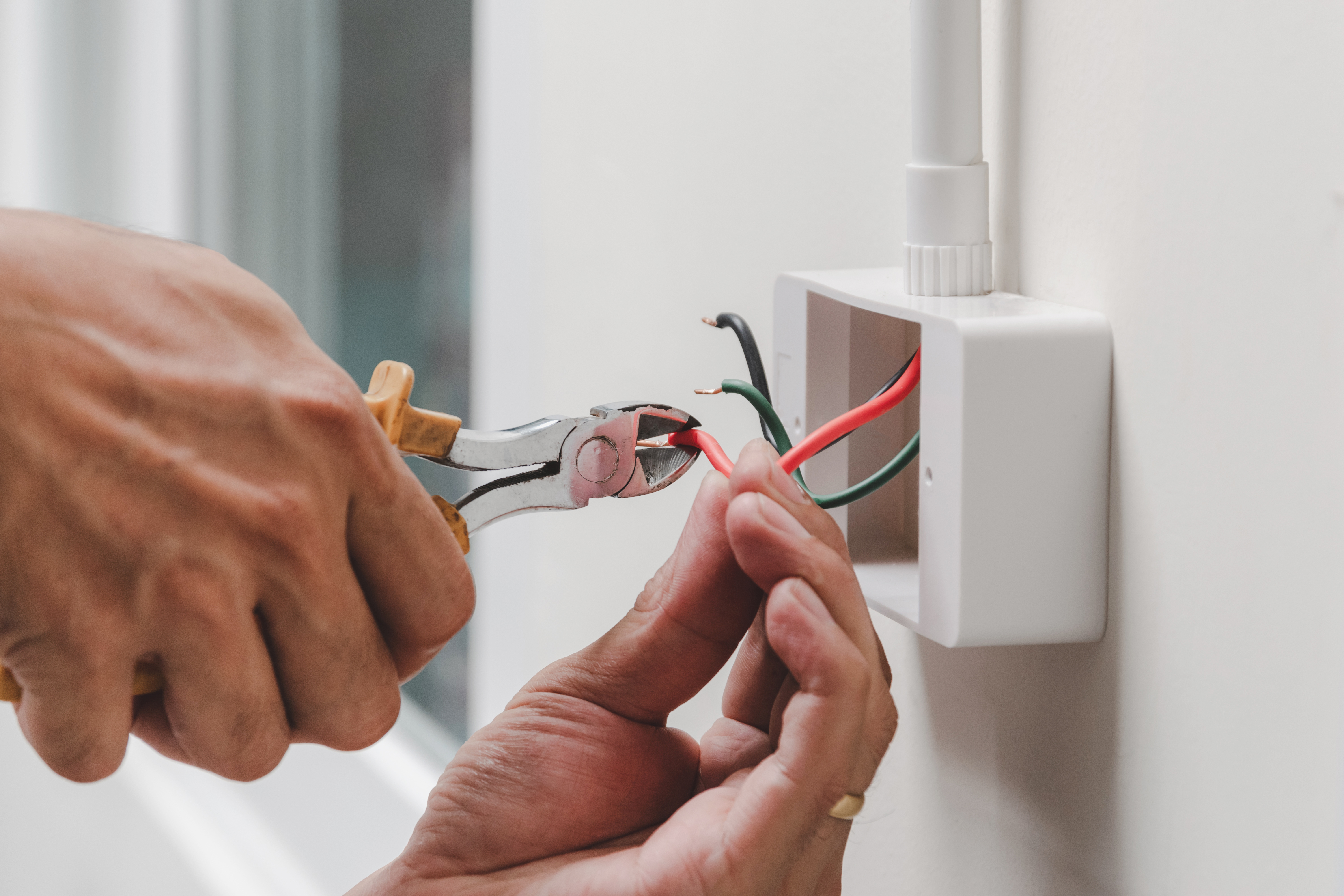
How much does it cost to install a doorbell camera? It depends on whether you plan to DIY or hire a pro. Learn about different models and their power sources, too.
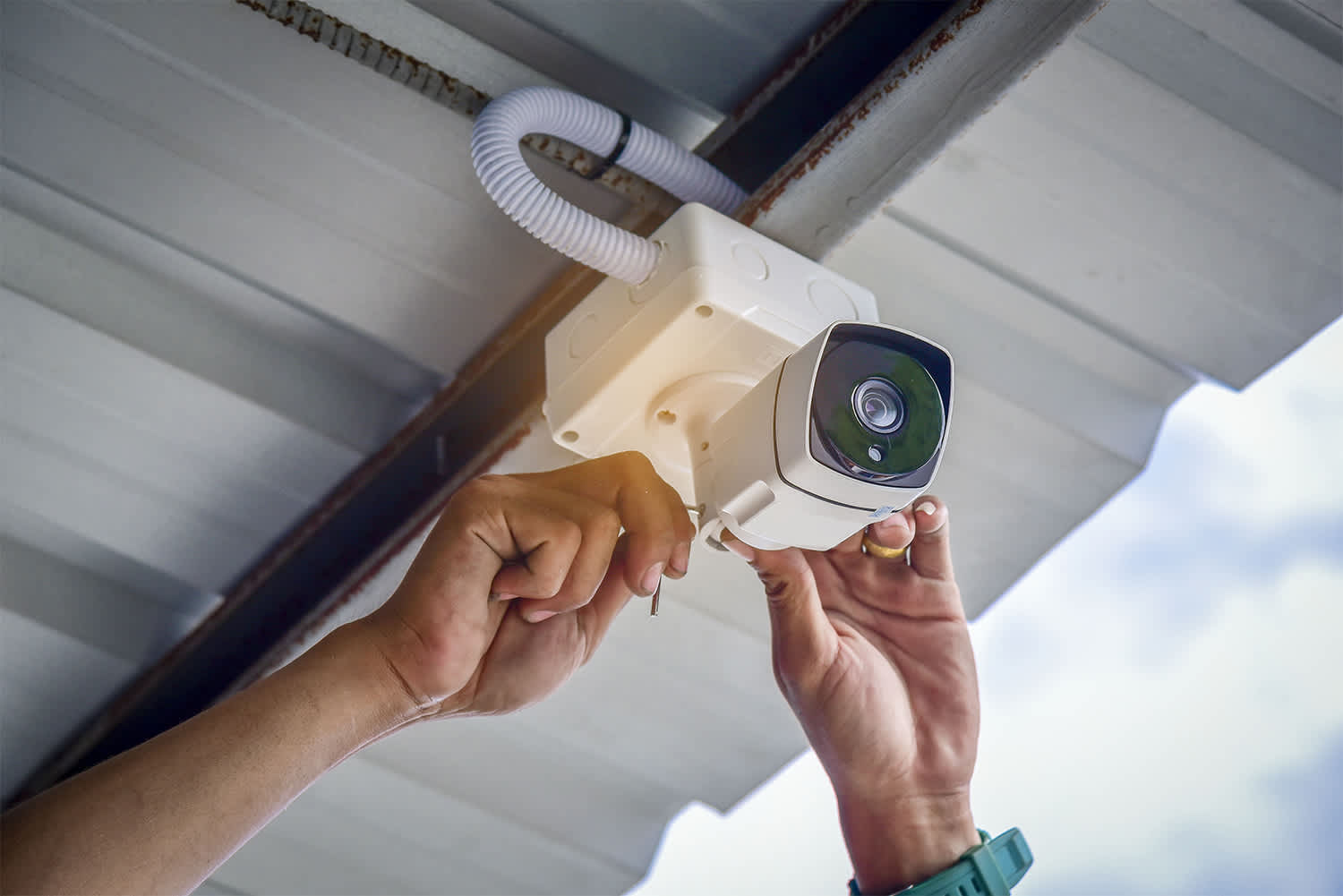
Doorbell wiring is a project you can DIY. This guide covers everything you need to know, from different types of doorbells to wiring, and how to remove an old doorbell.
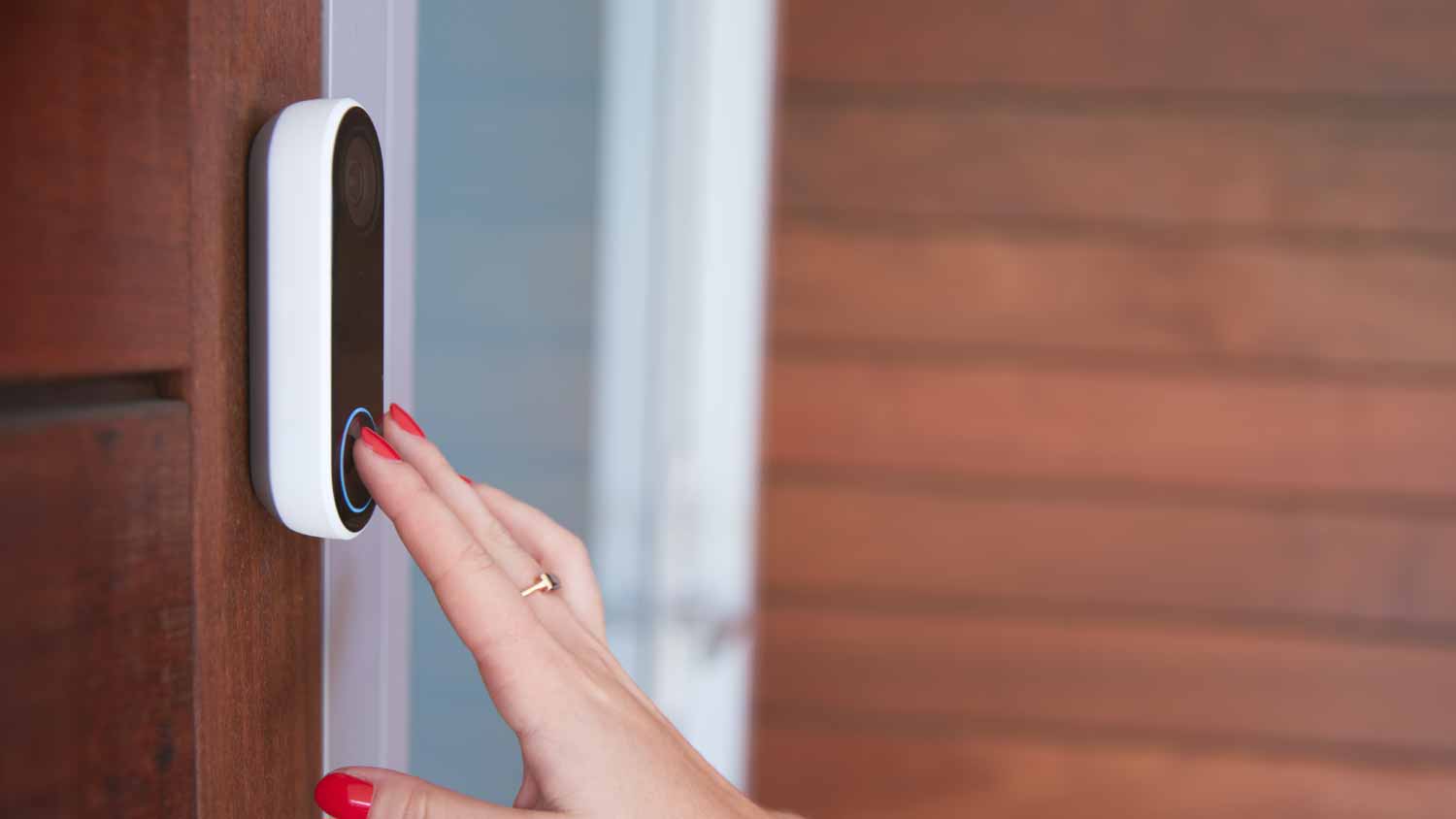
Learn how to install a doorbell camera—whether it’s wired or wireless—with this guide. Know the steps so you can decide whether to DIY the job or hire a pro.