


Top-rated concrete leveling pros.

Get matched with top concrete leveling pros in Rosholt, SD

Enter your zip and get matched with up to 5 pros

Need a pro for your concrete leveling project in Rosholt, SD?

Select your specific project to find the pro for you.

Find Concrete leveling pros in Rosholt

Avatar for Groundworks
Groundworks
4.3(
247
)
Concrete - Injection Leveling - MudjackingConcrete - Injection Leveling - Mudjacking - For Business

Serving Rosholt, SD and surrounding areas

Approved (Corporate)

In business since 2005

Free estimates

Warranties offered

"Great system radon was reduced to trace levels within hours of turning the system on. My only recommendation is to consider the location and potential noise level.. The fan is the equivalent of a dryer vent sound so having it near a location you frequently sit outside can be an issue.. but overall excellent job"
Foundation
Basement Waterproofing

+16

144 neighbors recently requested a quote
Recommended by88%of homeowners
Concrete Leveling questions, answered by experts

Generally speaking, push piers—or steel piers—are the best option for underpinning, as they reach down to solid bedrock to find support for your foundation rather than relying on soil, which could be subject to the same issues as the soil directly below your foundation. However, the best underpinning method for your home depends on your location, how far down the bedrock is, and the type of soil in your area. Helical piers are usually the best option for sandy soil or in areas where the bedrock is too deep to use steel piers.

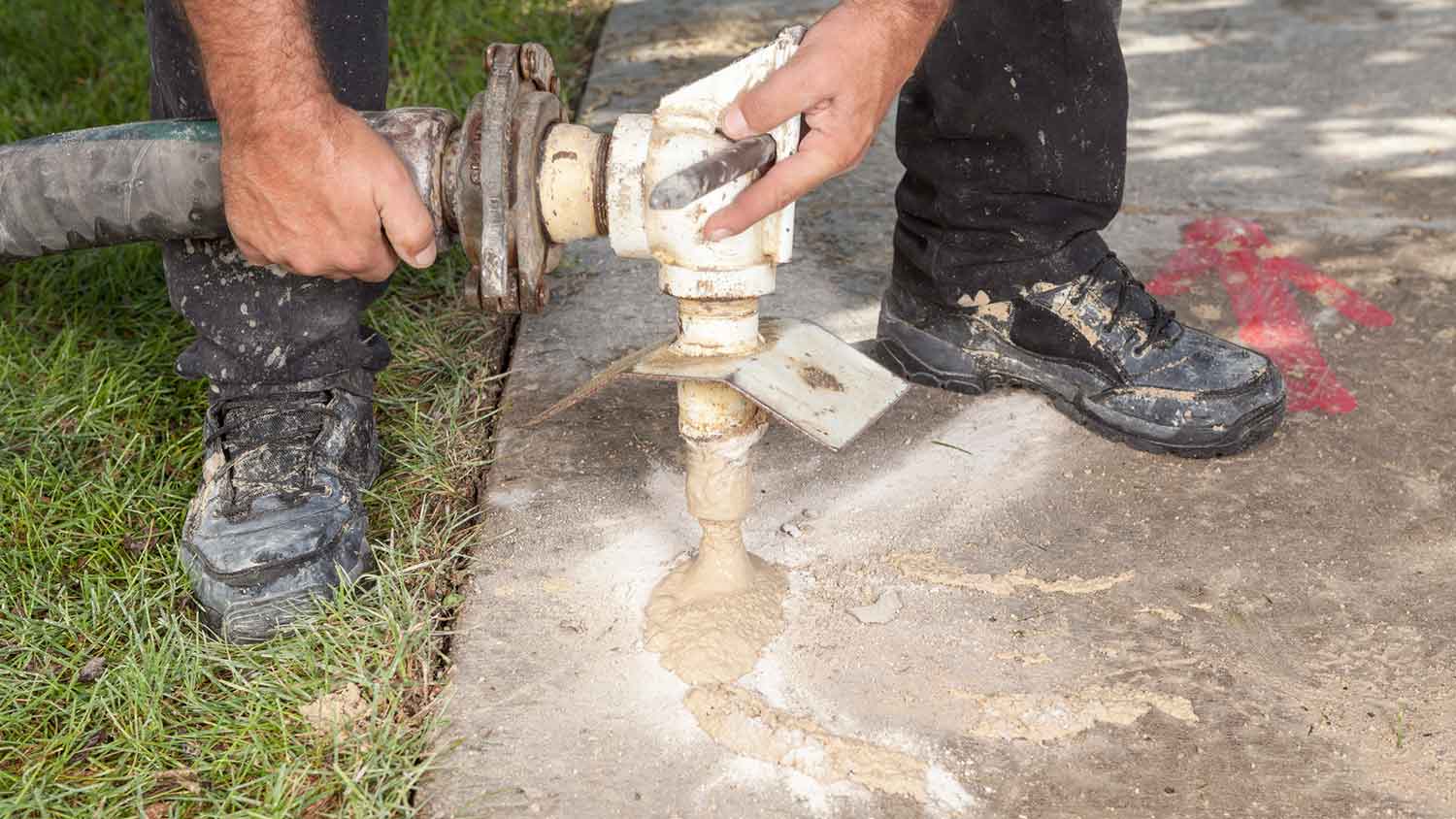
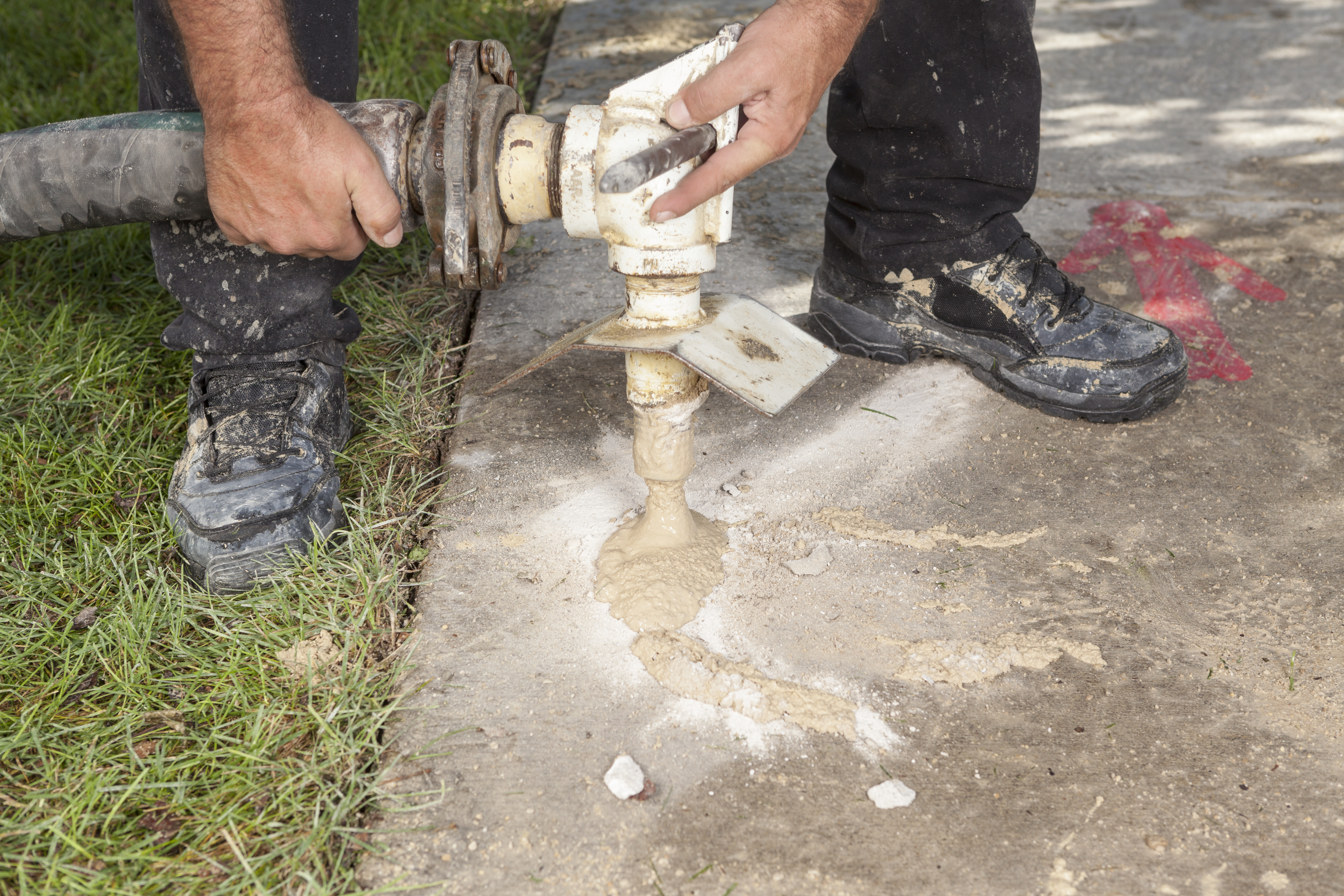
Mudjacking typically takes 24 to 72 hours (one to three days) to dry and cure completely before you can resume normal use. The exact time can vary depending on the size of the project. Because the slurry mixture contains cement, it must fully harden to ensure that added weight from walking, furniture, or vehicles won't shift the concrete slab. A professional contractor can advise you on when the surface is safe to use. For comparison, if you use polyjacking instead, the polyurethane foam can dry in just a few minutes, but it's best to wait about an hour before use.

Yes, expanding foam (also known as polyurethane foam) can lift concrete. This approach, called polyjacking, involves injecting the foam rather than concrete slurry to fill voids and raise the concrete slab back into place. It’s often faster and requires smaller drill holes than traditional mudjacking, though it may come at a higher cost. Some contractors also prefer polyjacking over mudjacking for more damaged and delicate slabs.

On average, a mudjacking repair lasts between five and 10 years, though it can sometimes last for well beyond a decade under ideal conditions. Its longevity depends heavily on several factors, including the condition of the underlying soil, environmental conditions like freeze/thaw cycles and erosion, and whether the root cause of the sinking, such as drainage issues, is resolved. Because it doesn't always fix the underlying problem of loose soil, mudjacking is often considered a temporary solution. Proper maintenance and evaluation can help extend its lifespan.

It’s best not to perform mudjacking in the winter unless the ground temperature remains above freezing. Freezing temperatures can cause the slurry to harden too quickly, compromising its strength and longevity. Concrete is also more susceptible to cracking and splitting in cold temperatures, so there’s a higher risk of damaging the slab during the drilling and lifting process in winter.

The Rosholt, SD homeowners’ guide to concrete leveling services

From average costs to expert advice, get all the answers you need to get your job done.