Top-rated drywall pros.

Best drywall pros near Piedmont, SD

Enter your zip and get matched with up to 5 pros

Need a pro for your drywall service project in Piedmont, SD?

Select your specific project to find the pro for you.

TRUSTED BY PIEDMONT, SD HOMEOWNERS

  • Average homeowner rating star icon4.4
    Average homeowner rating
  • Verified reviews icon60
    Verified drywall services reviews

Top-Rated Drywall pros in Piedmont - Updated Nov 2026

Avatar for Quality Driven Service, LLC
Quality Driven Service, LLC
5.0(
7
)
Drywall - Install - For Business

Serving Piedmont, SD and surrounding areas

In business since 2015

Free estimates

Credit card accepted

"I I highly recommend Chris and Jim at Quality Driven Services. They responded immediately to my request and came out the next day to give an estimate. I hired them to paint the exterior of our home. Not only were they just great guys to work with. They did an amazing job of painting g our home in less than a week. It was the best bid I got in town. Very reasonable and they both have a lot of experience. You can trust them and that means a lot. Thanks for an excellent job well done. Holly Thorson"
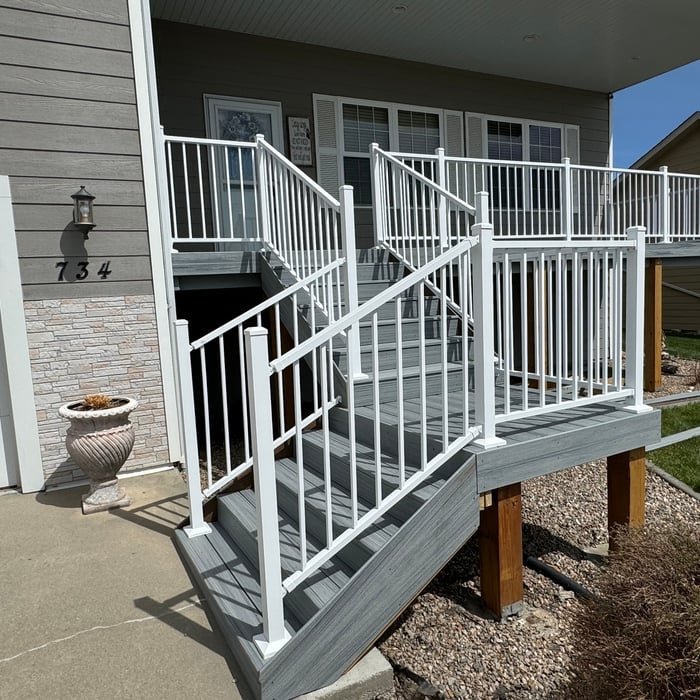
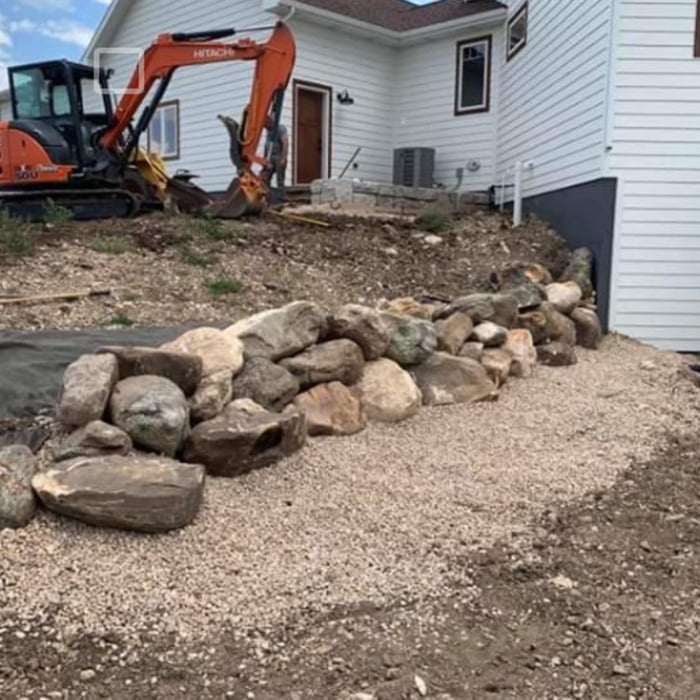
Retaining Wall
Retaining Wall #2
Natural #1
Natural #2
Natural #3

+5

Response time8 hrs
Response rate89%
Recommended by100%of homeowners
...
Showing 1-10 of 70
Drywall FAQs, answered by experts

Although they are used for similar tasks, spackle and joint compound are not the same. Joint compound, also known as drywall mud, consists of limestone and gypsum and is primarily used for large-scale projects like taping and finishing seams on new drywall. Spackle is composed of gypsum and binding agents, making it a thicker compound best suited for small wall repairs like filling nail holes or cracks, as it dries quickly and is easy to sand. For small repairs, either product can be suitable. However, you can use joint compound for small jobs in place of spackle, but you cannot use spackle for large-scale taping and mudding projects.

Although they have similar applications, spackle and joint compound are not the same. Their primary differences lie in their composition, consistency, and ideal use cases.

Spackle is composed of gypsum and binding agents, making it thicker than joint compound. It dries quickly and is easy to sand, which makes it ideal for small wall repair projects like filling nail holes or patching minor damage.

Joint compound, also known as drywall mud, consists of limestone and gypsum. It is primarily used for large-scale projects, such as taping and finishing the seams on newly installed drywall. It tends to shrink more than spackle and can be more difficult to spread.

While both products can be used to fill small depressions and cracks, spackle cannot replace joint compound for taping and mudding new drywall. Conversely, you can often use joint compound for small patching jobs typically done with spackle.

Plaster is a pretty tough surface, but it can still sustain damage from things like bumping against it, water issues, dampness, extreme humidity changes, and plain old age. Most plaster walls last hundreds of years and will only be taken down to the base layer when major repairs are required. Being cautious around the wall, not placing furniture against it, and ensuring stable humidity are all great ways to reduce possible damage.

When choosing materials for finishing basement walls, consider factors such as moisture resistance, durability, and fire resistance. Opt for materials specifically designed for basement environments, like moisture-resistant drywall or cement board. Insulation with vapor barriers can help regulate temperature and prevent condensation. Consider using mold-resistant paints or coatings. 
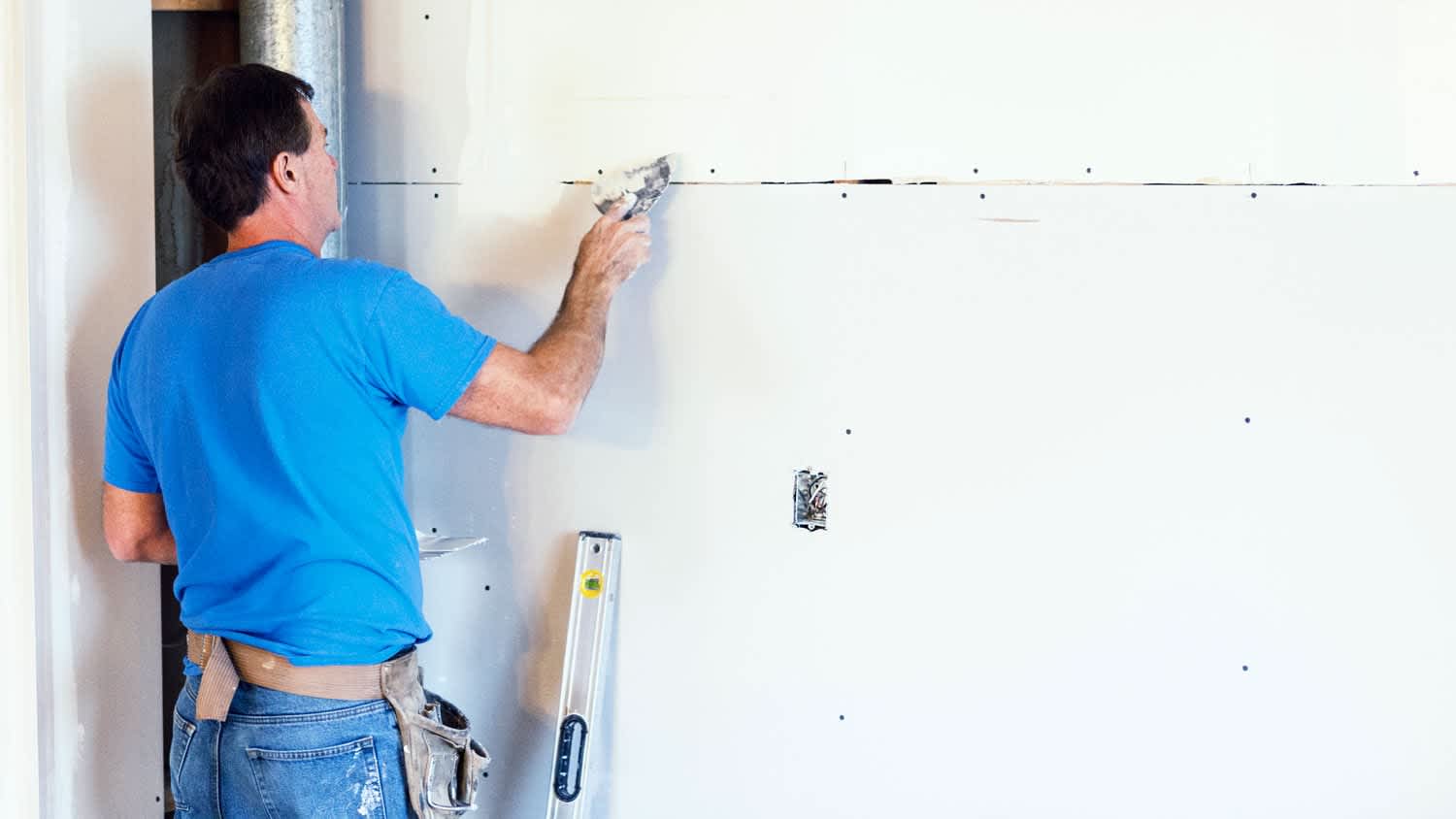
Research and consult with experts to select materials that are suitable for your specific basement conditions and intended use. Prioritize quality and compatibility to achieve long-lasting and aesthetically pleasing results.

A post-drywall inspection could uncover many problems that weren’t present during the pre-drywall inspection, including insufficient insulation, missing weather stripping, improperly installed plumbing and lighting fixtures, flooring damage, drywall damage, plumbing leaks, aesthetic issues, and more. Structural problems, which are often expensive to fix and are common reasons to walk away after a home inspection, are easier to see before the drywall goes up, but a post-drywall inspection may highlight minor issues with house settling and foundation problems.

The Piedmont, SD homeowners’ guide to drywall services

From average costs to expert advice, get all the answers you need to get your job done.