Larry's Handyman is locally owned and operated in Lake Andes. We are a full service handyman business with over 18 years in the home improvement trade. We are honest, reliable, and very professional. For a free quote, for all of your handyman needs, please call us today!
We're a locally owned and operated company with over 2 years of industry experience. We value honesty and integrity in all aspects of our business. We offer a variety of Home Improvement services that are customizable to each individual project. We specialize in handyman/carpentry work and a variety of related service and repair projects. We pride ourselves on the quality of our work as well as our commitment to outstanding results. We look forward to building lasting relationships with our clients and guarantee your satisfaction!
Started learning from a family member from the age of 13 and have decided to make it my passion. Always on time, the job is always done right the first time, and detail oriented. Lakopa/English
I pride myself on my professionalism, as well as my ability to complete\nevery job to the homeowner's total satisfaction. I never leave a job\nunfinished, or a homeowner not 100% satisfied with my level of service -\nCall today!
Propane sales companies typically offer propane delivery, tank installation and maintenance, grilling refills, and emergency support for supply interruptions.
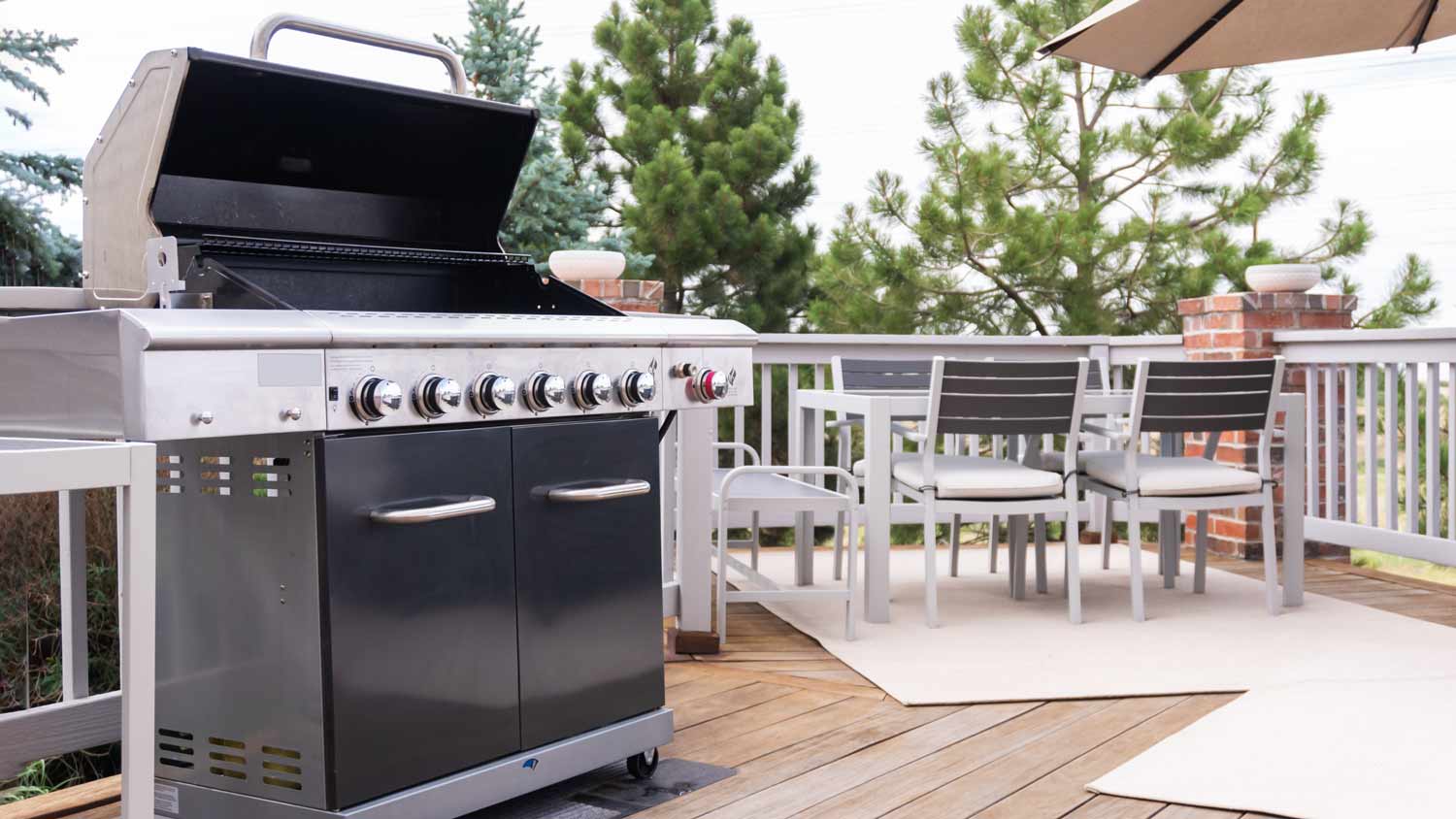
On average, a gas grill can last from five to 15 years. The exact lifespan depends on several factors, including the brand and quality of the grill, frequency of use, and whether the gas line is buried or above ground. With proper maintenance and care, such as regular deep cleanings to remove food, grease, and carbon deposits, a grill's life can be extended. Protecting the grill from the elements with a cover can also prevent rust and reduce the need for repairs. Most grill manufacturers also offer extended warranties, which vary in coverage and terms.
Safety precautions include proper ventilation, regular inspections for leaks, and ensuring tanks and fittings are in good condition to prevent accidental release or fire hazards.
Yes, professional services include proper fuel line connection and ventilation to meet safety codes.
Yes, professional services typically include venting, gas line installation, and necessary permits.
The Presho, SD homeowners’ guide to grill assembly services
From average costs to expert advice, get all the answers you need to get your job done.
Planning a new outdoor cooking space? Learn everything you need to know about gas grill installation costs, setup options, and how to hire a local pro.
Don’t leave your grill behind when moving house. Learn how to move a grill safely so you can enjoy a home-cooked meal on your first night in your new place.