C & H Construction, LLC, has been in business for several years and we would love the opportunity to show you what experience and expertise can mean for the overall value of your roofing,painting, drywall, siding, and framing projects. Retired Military and willing to work with fixed income homeowners and single parent homeowner Call today 605-347-1207.\n\n\n
David Ferguson's construction business is dedicated to quality and outstanding customer service. Our job is to provide you with quality service at a great price. Please don't wait call us today.
"Very professional, high quality work and fair prices. Work was completed in a timely manner and was very accommodating for some minor changes. Dependable, trustworthy and highly skilled. Highly recommended."
General contracting work, specializing in carpentry and woodwork. With 30 plus years of experience in residential and commercial new builds and remodels, Skid's Construction prides itself on being a company that takes care of its customers, providing quality services and work. We value honesty, integrity and efficiency.
Local codes often mandate specific fittings, permits, and vent considerations for permitted function and safety, which are enforced by professionals.
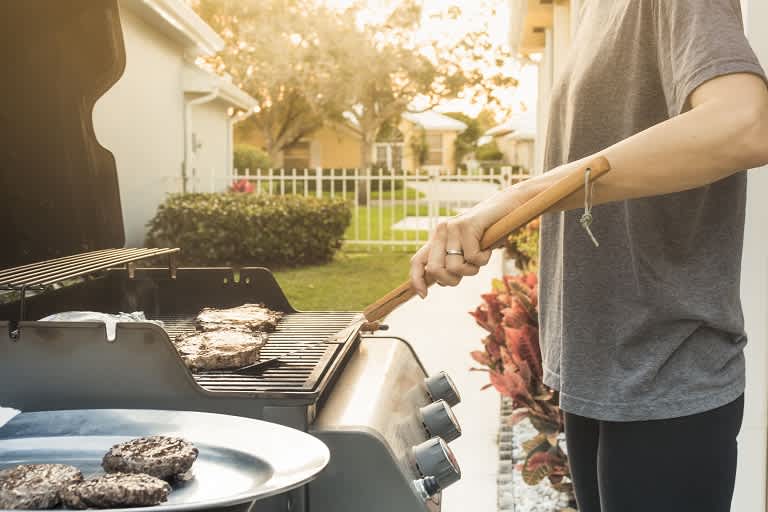
No. Placing a built-in grill against the house is discouraged due to safety concerns. Building codes and regulations often require a minimum distance (typically 10 feet or more) between a gas grill and any combustible structure, including a house. Placing a grill too close poses a fire hazard and risks damage to the siding or structure, potentially leading to carbon monoxide buildup. It's essential to consult local building codes, follow manufacturer guidelines, and prioritize safety by positioning the grill at a safe distance, ideally in a well-ventilated outdoor kitchen or designated grill area.
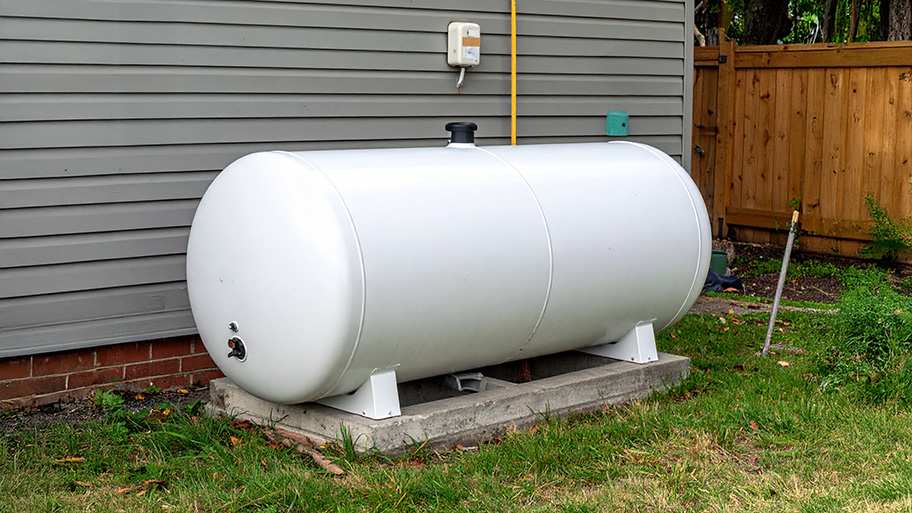
Propane sales companies typically offer propane delivery, tank installation and maintenance, grilling refills, and emergency support for supply interruptions.
While it’s possible to repair minor grill issues like replacing a burner, more serious issues are clear indicators that you need to replace the entire unit. A few signs that your gas grill may be at the end of its life span and it’s time to consider replacing it include:
Rusty or cracked firebox
Weak, yellow, or uneven flames
Flaking, cracking grates
Leaking or cracked propane hoses
Failing igniter
Heavy buildup of grease
The most significant benefit of having a gas grill over a propane grill is that you never run out of fuel unless there’s an outage in your area, which is rare. Unlike with a propane grill, you’ll never need to haul tanks back and forth to a local fill station, and you’ll never find yourself unable to use your grill because you forgot to refill your tanks. Gas grills also burn slightly cleaner than propane grills, and natural gas costs significantly less than propane, meaning it’s more affordable to run your grill.
The Philip, SD homeowners’ guide to grill assembly services
From average costs to expert advice, get all the answers you need to get your job done.
Planning a new outdoor cooking space? Learn everything you need to know about gas grill installation costs, setup options, and how to hire a local pro.
Don’t leave your grill behind when moving house. Learn how to move a grill safely so you can enjoy a home-cooked meal on your first night in your new place.