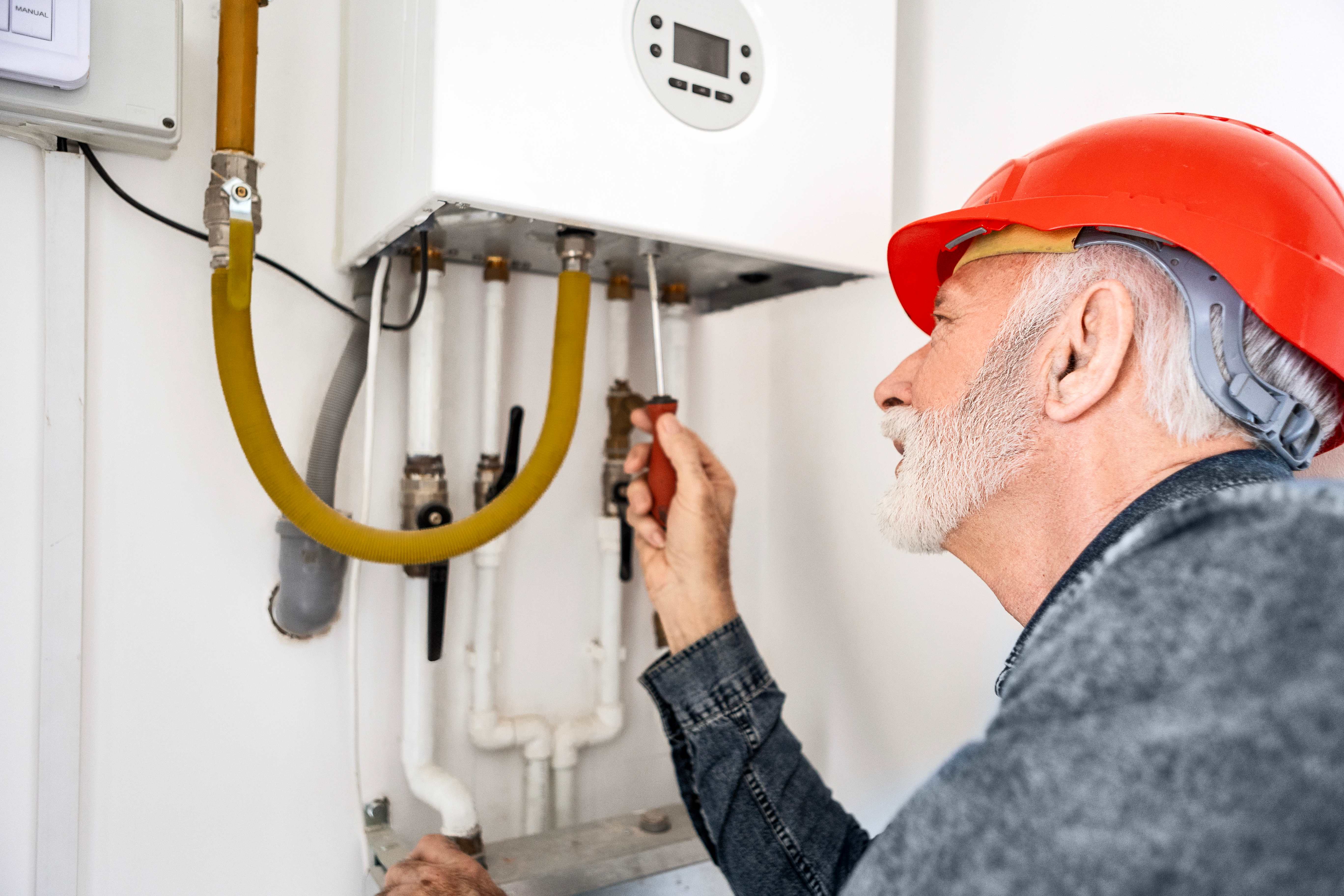
"We pay yearly but we have this is included with our rental property. They are pretty good on most things. We had a hot water heater replaced and they did an excellent job on that. They are very quick on their response. They dont come out here. It is all done on the internet. I just like the idea that one time service charge is so much better than trying to hiring someone to come in. It is more about convenience. It pays for itself."
While not all homes require a hot water heater expansion tank, they are necessary in most newer homes and are often mandated by local building codes. Codes typically require an expansion tank if your plumbing system is a 'closed-loop' system, which often includes a backflow preventer or pressure regulator on the main water line. Some municipalities have specific requirements. Installing an expansion tank on a closed system is crucial, as it prevents excess pressure that can damage your water heater and other appliances, potentially shortening their lifespan. However, tankless water heaters do not require an expansion tank.
A well-maintained hot water recirculating pump can last 5 to 15 years. Pumps that run continuously may have a shorter lifespan than demand-controlled models. Hard water can reduce longevity by causing mineral buildup in the pump and pipes. Regular maintenance, such as cleaning or replacing filters, can extend the pump’s lifespan.
The lifespan of a water heater depends on its type, usage, and maintenance schedule. Traditional tank-style water heaters typically last between 8 and 12 years, though the range can be as wide as 6 to 15 years. Within this category, gas models often last 8-12 years, while electric models may last 10-15 years. In contrast, tankless water heaters have a significantly longer lifespan, often lasting up to 20 years or more. Factors like heavy usage, hard water, and sediment buildup can shorten a unit's life. To extend its lifespan, it is crucial to perform regular maintenance, such as flushing the tank annually and scheduling professional inspections. If your unit is over a decade old and shows signs of rust, leaks, strange noises, or inconsistent heating, it is likely time for a replacement.
Every type of water heater has its advantages and disadvantages. Understanding those can help you decide the best type for your situation and budget.
Pros
Safer than gas or propane
Doesn’t require extensive venting systems
Lower upfront costs
Simpler to operate
No pilot light
Easier installation
More efficient heating than gas models
Available as point-of-use (POU) and whole-house units
Cons
Slower to heat water
Longer recovery time
Possibly higher operating costs
Doesn’t work during a power outage
Costs can increase without a 240-volt connection
Several things can void the warranty for your water heater. Many water heater manufacturers state that installing your own will void the warranty. However, even if you get away with performing the task yourself, incorrect installation, lack of a building permit, and improper repair work, regardless of licensing status, can all render your water heater unprotected by both the manufacturer's warranty and any installation warranties.
The Platte, SD homeowners’ guide to water heater services
From average costs to expert advice, get all the answers you need to get your job done.
Looking to replace or upgrade your water heater? Use this water heater replacement cost guide to see what the work will cost and what factors affect your total.
A water heater flush costs $160 on average but can vary based on the unit size, type, labor, location, and more. Keep reading to learn how much you could pay.
Find out the average tankless water heater repair cost, what impacts pricing, and how to save. Get expert tips to plan your repair budget with confidence.
Who can install a water heater for you? Look to hire a water heater installation pro or a licensed plumber for this job because of the challenges involved.
The average lifespan of water heaters is 6 to 15 years for conventional models and up to 20 for tankless ones, but it can be less if they are not properly maintained.