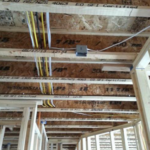
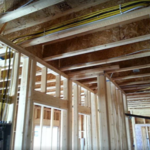
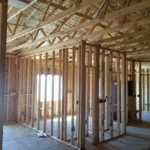
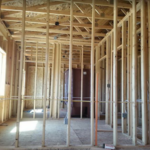
Welcome to Fuze Electric! We have a proven reputation of excellence in both quality and efficiency. Our company has thrived on unmatched craftsmanship and technique passed on through generations of family electricians, we'll be sure to impress. \n\nEffective planning is crucial to the successful completion of any project. Before starting the project, first we assess your goals. Then we provide you with an estimate and time-line for completion. From beginning to end you will be involved every step of the way. We have many years of experience, and work hard to make sure the job is done right and in a timely manner. So whether you are building your dream custom home, just adding an outlet, or even remodeling your business. We'll be there whenever you need us, and remember... free estimates! Give us a call today.\n
Proudly serving Wyoming, locally owned and operated Skyline Communications, is your one stop shop for all of your, audio/visual, security system, home entertainment, and all types of wiring installs and repairs. Working on both commercial and residential projects, we can do it all. Give us a call today!
Natural gas generators are designed to run for extended periods of time, such as power outages during a natural disaster. Since there’s no limit to the supply of natural gas, they don’t need to stop for refills. However, generators do need maintenance, including pauses to check and add oil. Constantly running them will also cause a lot more wear and tear, leading to a shorter lifespan.
Potential benefits of using a natural gas generator include reducing your carbon footprint, lower likelihood of carbon monoxide exposure, budget-friendly operating costs, and low-maintenance, continuous fuel supply. Some possible drawbacks, though, include higher initial installation costs, dependency on a natural gas supply, and installation complexity. Keep in mind that pros and cons will vary based on the type and brand of natural gas generator.
Energy output depends on turbine size, average wind speed at your site, and system efficiency. A 5 kW turbine in a good wind location can generate 8,000 to 12,000 kilowatt-hours per year, which may cover a large portion of an average home’s needs. Accurate output estimates require a professional wind assessment and a review of your household’s energy usage patterns.
Yes, in most municipalities, you will need a permit to install a permanent home generator, including emergency backup, partial-home, and whole-home models. Because these installations involve significant alterations to your home's electrical system and produce exhaust fumes, local governments often require a permit or inspection for safety purposes. A generator permit typically costs between $50 and $250, depending on your location. Your electrician or certified installer can usually handle the permitting process for you, but you will be responsible for the cost. It's a good practice to confirm with your installer that they will pull all necessary permits before work begins.
Many services include assembling the unit and securing it in the window. Confirm with your provider.
The Oglala, SD homeowners’ guide to generator installs
From average costs to expert advice, get all the answers you need to get your job done.
Natural gas generators are whole-home standby generators that are connected to your home’s natural gas line. The average cost for a natural gas generator is $12,000.
Generators should give you peace of mind, but you’ll only get that if your installer knows what they’re doing. Learn how to hire a pro and what red flags to look for.
Thinking about a generator installation? Learn about backup power options, costs to expect, and how to hire the right local pro to keep your home running.