"The furnace took 4 days to get approved( not counting a Sunday) the others were quick but the water heater had to be ordered so without hot water for a week. One ceiling fan was easy but within a year their policy changed and They would not install the one I purchased and had to get a new one approved and then ordered online and took several weeks to get straightened out. Not sure who was at fault, AHS, installer or scheduling with renter. Fee is usually $75 per visit"
Stainless steel or aluminum fans are long-lasting and have less air resistance. They are best for outdoor use as their durability helps them withstand unpleasant weather conditions. Their heavy weight requires a stronger motor, which leads to more noise than other blade materials.
Wooden fan blades are a classic, durable option. They are much quieter than metal fans and feature a wide range of styles and finishes to choose from. However, they can be damaged by moisture if not covered with plastic.
Plastic fan blades are lightweight, easy to clean, and versatile. There are various shapes and styles to choose from as plastic is easily molded and dyed. They will also deteriorate slower than other materials as they aren’t as susceptible to humidity and moisture.
Ceiling fans offer multiple benefits for your home. They improve air circulation to prevent stagnant environments and provide cost-effective temperature control, which can reduce reliance on your HVAC system and help lower utility bills. In addition to their functional advantages, ceiling fans can also enhance a room's aesthetic appeal with features like built-in lighting and modern styling.
There are many types of ceiling fans, from self-automated smart ceiling fans to outdoor ceiling fans that provide additional comfort to your patio. What you choose all comes down to function and personal taste.
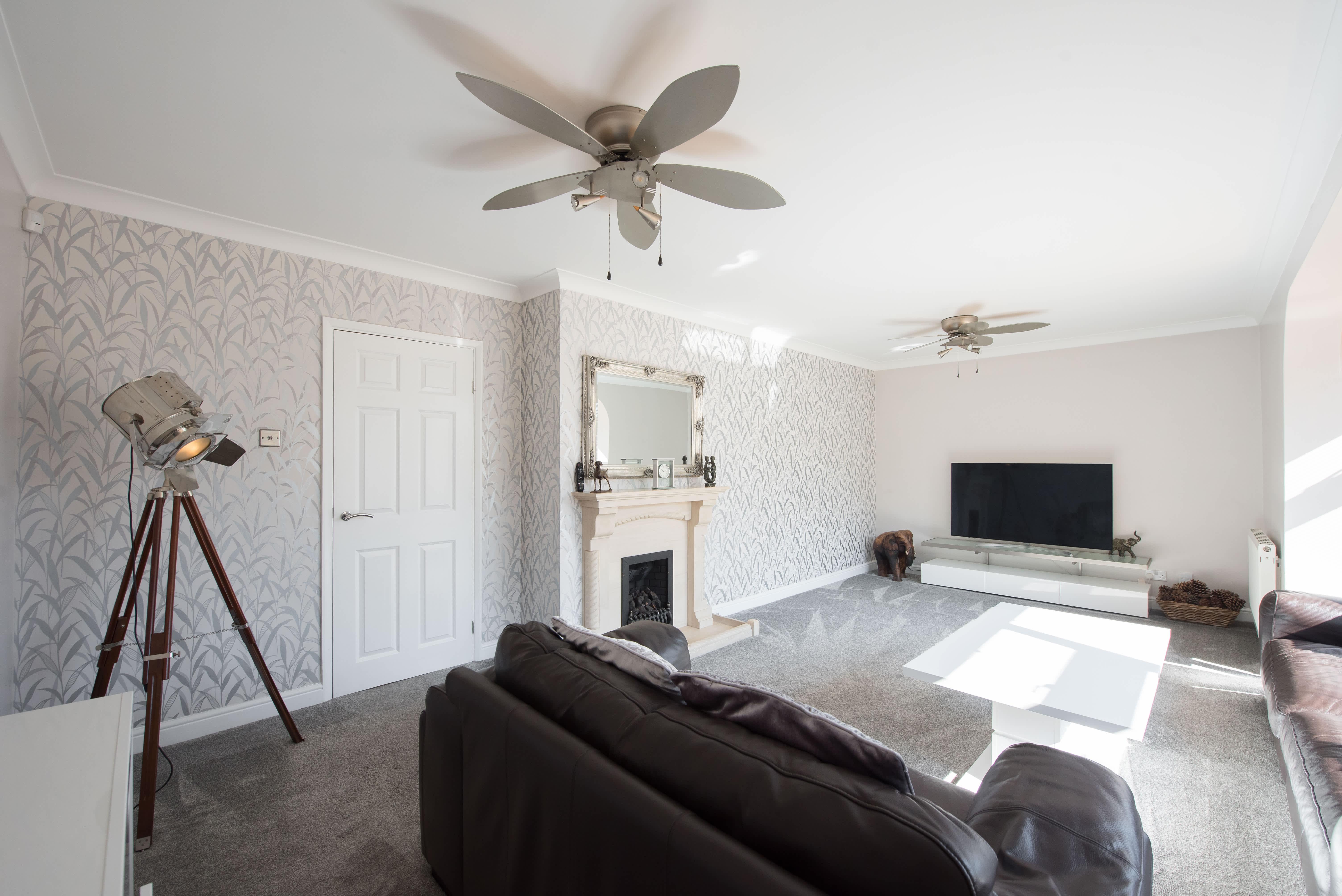
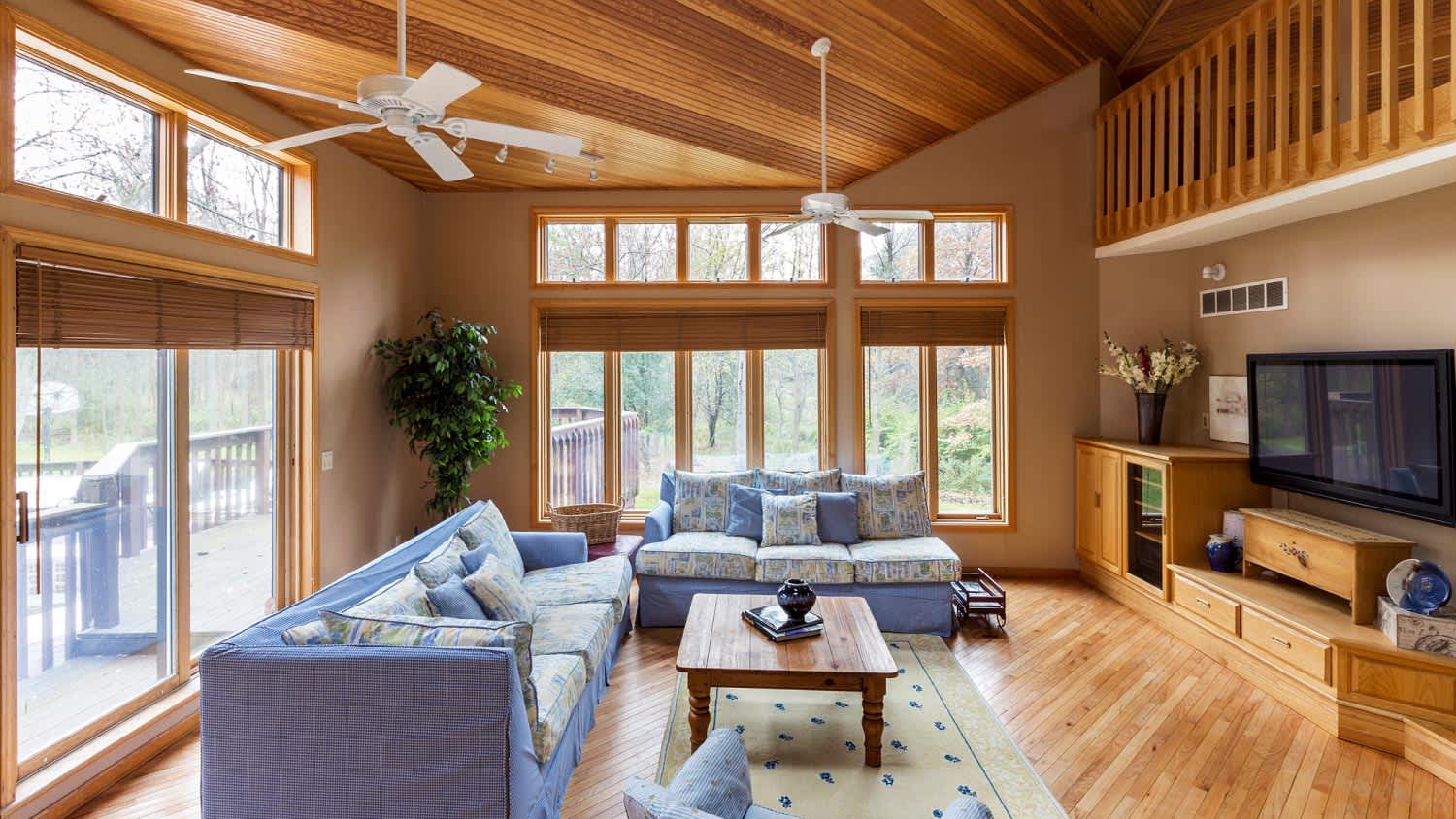
Consider your ceiling height when selecting a ceiling fan. Rooms with ceilings under eight feet high will do well with low-profile ceiling fans, also known as flush-mount or hugger ceiling fans. If your home has cathedral ceilings or ceilings between 10 and 25 feet high, you’ll need a large ceiling fan with a heavy-duty motor to get adequate air circulation.
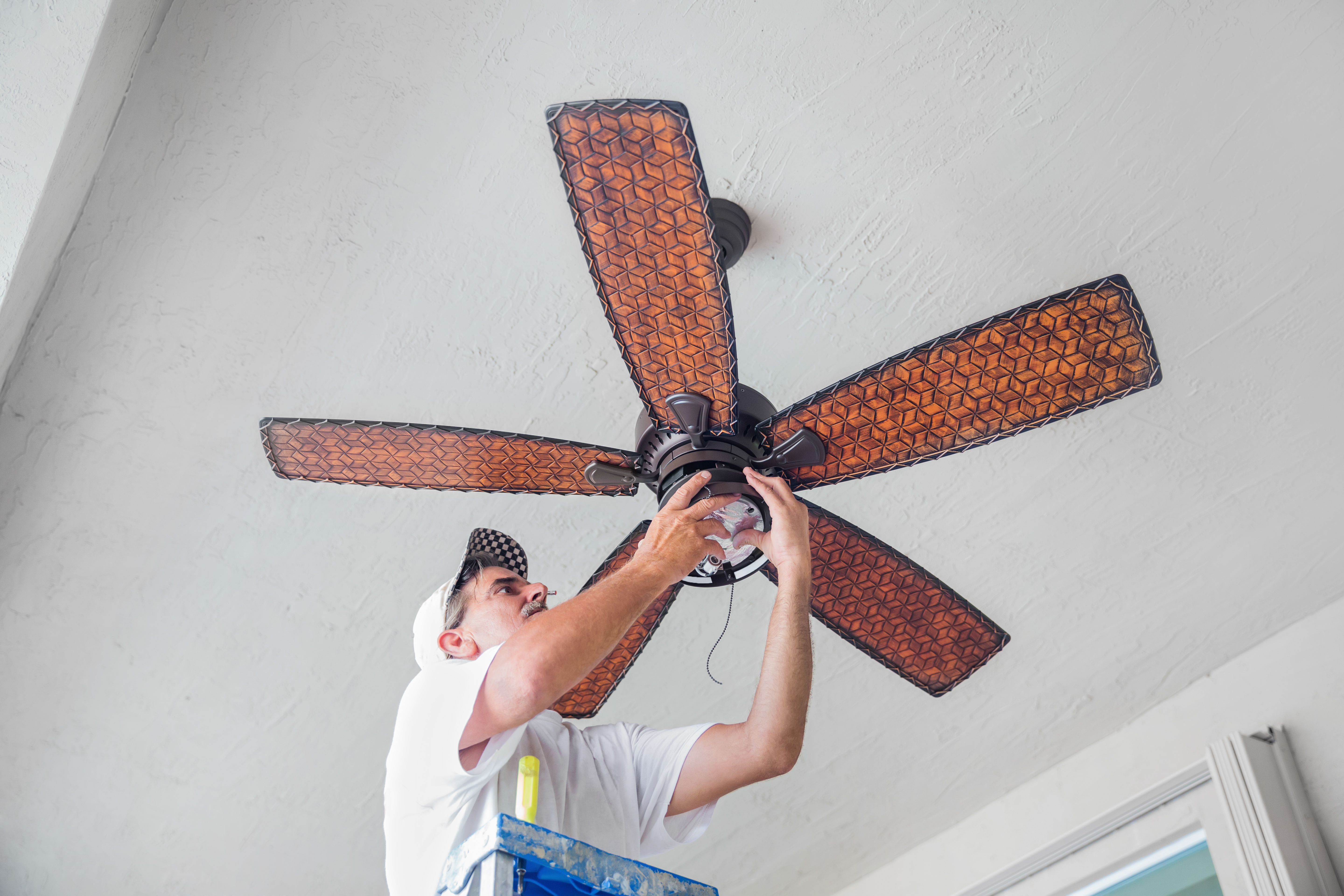
A typical fan installation takes between two and six hours. The exact timeframe can be influenced by factors such as the home's structure, existing electrical characteristics, ease of attic access, and whether complex wiring or additional attic ventilation work is required.
Many ceiling fan-rated electrical boxes tend to be made of metal. However, some electrical boxes may also be made of heavy-duty plastic that is reinforced with metal support structures. It may also have an attachment that connects directly to a ceiling joist. If you are ever ensure, consult with a licensed professional to get their insight on best practices and whether the installation is a safe one.
The Murdo, SD homeowners’ guide to ceiling fan services
From average costs to expert advice, get all the answers you need to get your job done.
Discover the cost to install a ceiling fan, including labor, materials, and tips to save. Learn what impacts your price and how to budget for your project.
Ceiling fans cool down your home while stylishly accenting your space. With a variety of types of ceiling fan on the market to choose from, you can’t go wrong.
Although the risk is low, there are a few telltale signs that a ceiling fan will fall off your ceiling. This guide explains when to worry (and when not to).
With the right size, ceiling fans are an energy-efficient way to cool a room. Use this ceiling fan size guide to find the perfect model for your space.