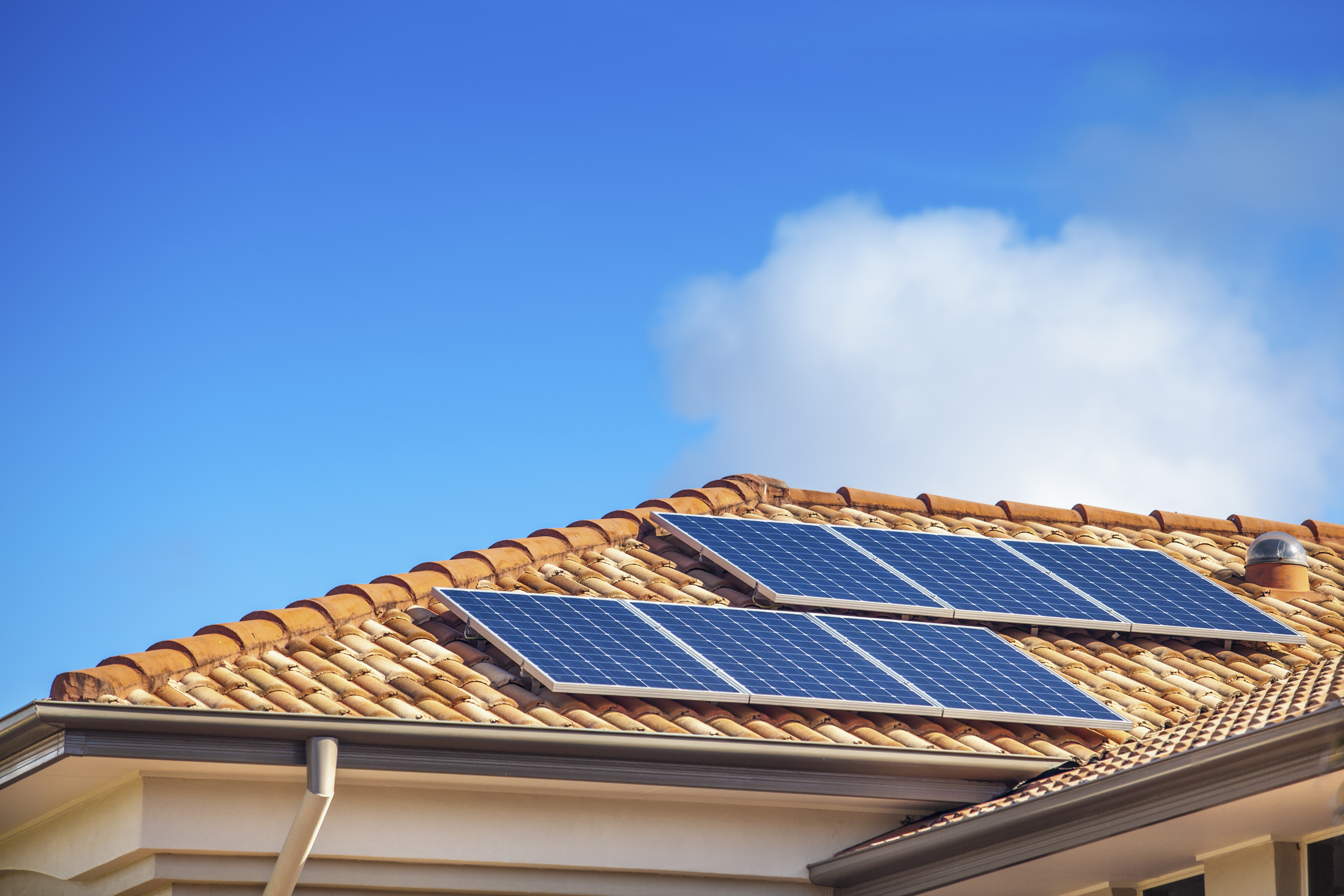
We provide residential and commercial solar power options, and provide support services for industry partner companies. We offer no cost consultations and $0 down financing. Please contact our office for a consultation at (931)922-8258.
"I was very impressed with the installer who was sent. He mounted the dish without drilling through my new roof, which might have voided my roof warranty, Also, he mounted the dish in a location where it is easy for me to brush the snow off it in winter. I appreciate his knowledge and thoughtfulness. Also, they didn't charge me to re-install the dish."
"The last was a rental company that we have and we used them for an air conditioning and heating system. It was Bototach Mechanical. It’s been a good program for us. They’re very responsive. I don’t know what the thought process was. My husband said, well let’s try these guys and so we did. We have an older home and it’s proved to be a very good deal. The quality has been pretty good, so I would give them an A for the quality. I will give you one helpful hint though. If the company decides they want to replace an appliance, you need to call them and negotiate with them because you can upgrade, but you need to talk to them in person not just do it over the internet."
Global Synergy Powers is committed to excellence in every aspect of our business. We uphold a standard of integrity bound by fairness, honesty, and personal responsibility. Our distinction is the quality of service we bring to our customers. Accurate knowledge of our trade combined with ability is what makes us true professionals. Above all, we are watchful of our customers' interests, and make their concerns the basis of our business.
In most cases, solar panels are covered by homeowners insurance because they are considered a permanently attached part of the home, and you may not need additional coverage. However, it is essential to read the fine print of your specific policy to understand the extent of the coverage, as some policies might only cover certain types of damage, such as hail. Always check with your insurance provider before installing solar panels to ensure your policy provides adequate coverage for your investment.
In most cases, installing solar panels will not void your roof warranty. To keep roof warranties intact, check your written warranty or call the manufacturer to ask about clauses regarding roof penetrations. You can also protect yourself by getting written approval or a modified warranty that specifically allows the solar installation type you’re planning. Then, hire a professional solar installer that follows roofing manufacturer instructions and protects the roof during installation.
If you’re deciding between a solar battery versus a generator for the best backup power solution, you can take a few factors into consideration. Solar batteries are quiet while generators can be quite loud. Generators have a lower up-front cost, but they require fuel and ongoing maintenance while solar batteries are more expensive but don’t have many ongoing costs.
Depending on the climate in your area, the best time to install solar panels is either winter or early spring. Summer is a fine time to install panels, too, but it tends to be the busy season, so prices may be higher and companies may have packed schedules. The installation process can take more time than expected between getting permits and finalizing a design, so start as soon as you can.
For most U.S. homeowners, switching to solar energy is an excellent investment. A properly sized solar array can significantly reduce your electric bill, saving money on utilities every month. Most homeowners enjoy savings that cover the cost of their solar systems within 12 years and then turn a profit. Additionally, federal and state tax incentives are available that help make solar an even better and more profitable investment.
The Miller, SD homeowners’ guide to solar panel services
From average costs to expert advice, get all the answers you need to get your job done.
Find out how much it costs to remove solar panels, including average prices, key cost factors, and tips to save money on your solar panel removal project.
There are three types of solar panels: monocrystalline, polycrystalline, and thin-film. Before choosing one for your home, here are the pros and cons of each.
If you’re making the switch to solar energy, you’ll want to know the difference between solar panels versus solar shingles. Here are the pros and cons of each.