We provide residential and commercial solar power options, and provide support services for industry partner companies. We offer no cost consultations and $0 down financing. Please contact our office for a consultation at (931)922-8258.
"I was very impressed with the installer who was sent. He mounted the dish without drilling through my new roof, which might have voided my roof warranty, Also, he mounted the dish in a location where it is easy for me to brush the snow off it in winter. I appreciate his knowledge and thoughtfulness. Also, they didn't charge me to re-install the dish."
"The last was a rental company that we have and we used them for an air conditioning and heating system. It was Bototach Mechanical. It’s been a good program for us. They’re very responsive. I don’t know what the thought process was. My husband said, well let’s try these guys and so we did. We have an older home and it’s proved to be a very good deal. The quality has been pretty good, so I would give them an A for the quality. I will give you one helpful hint though. If the company decides they want to replace an appliance, you need to call them and negotiate with them because you can upgrade, but you need to talk to them in person not just do it over the internet."
Global Synergy Powers is committed to excellence in every aspect of our business. We uphold a standard of integrity bound by fairness, honesty, and personal responsibility. Our distinction is the quality of service we bring to our customers. Accurate knowledge of our trade combined with ability is what makes us true professionals. Above all, we are watchful of our customers' interests, and make their concerns the basis of our business.
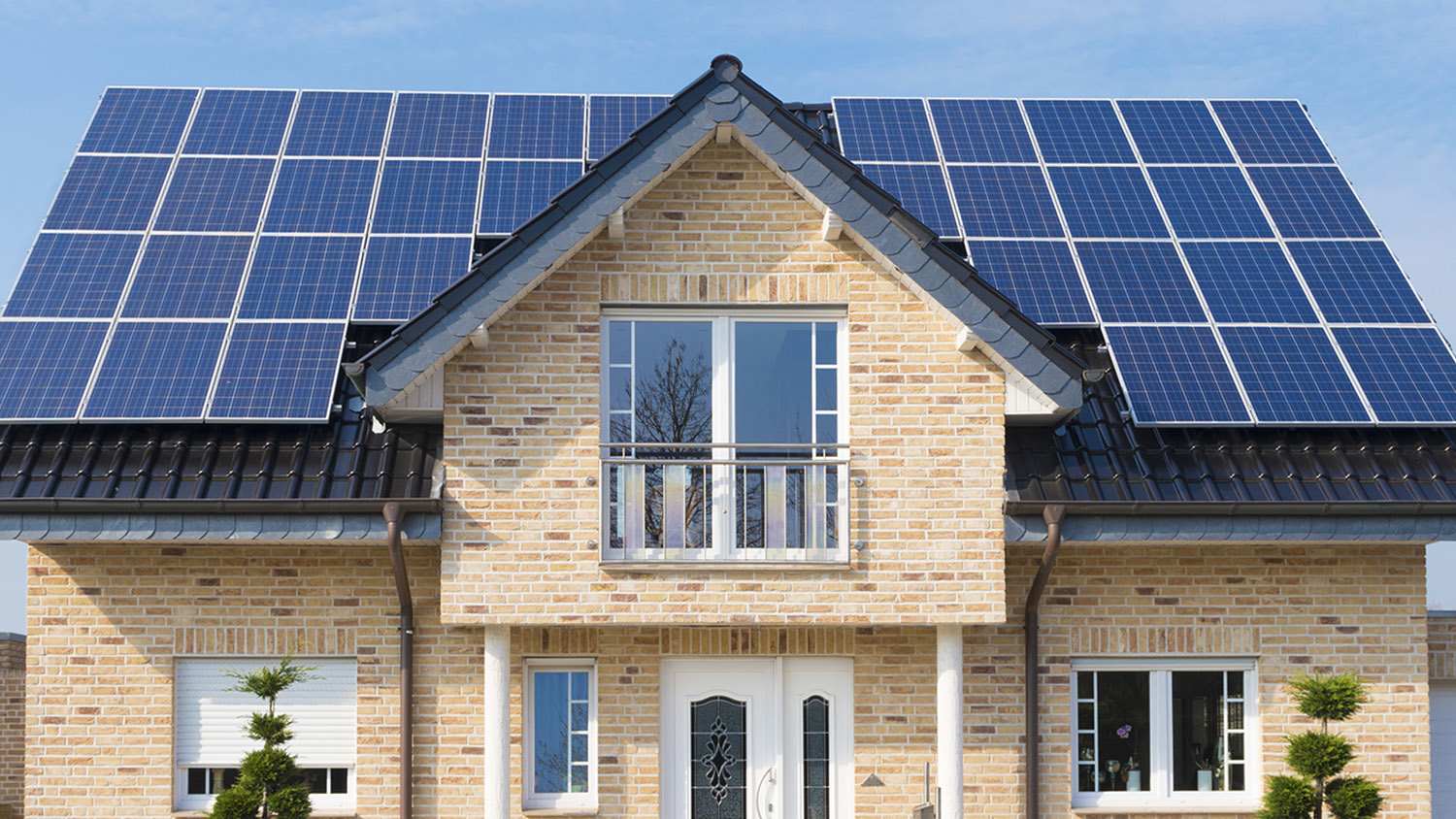
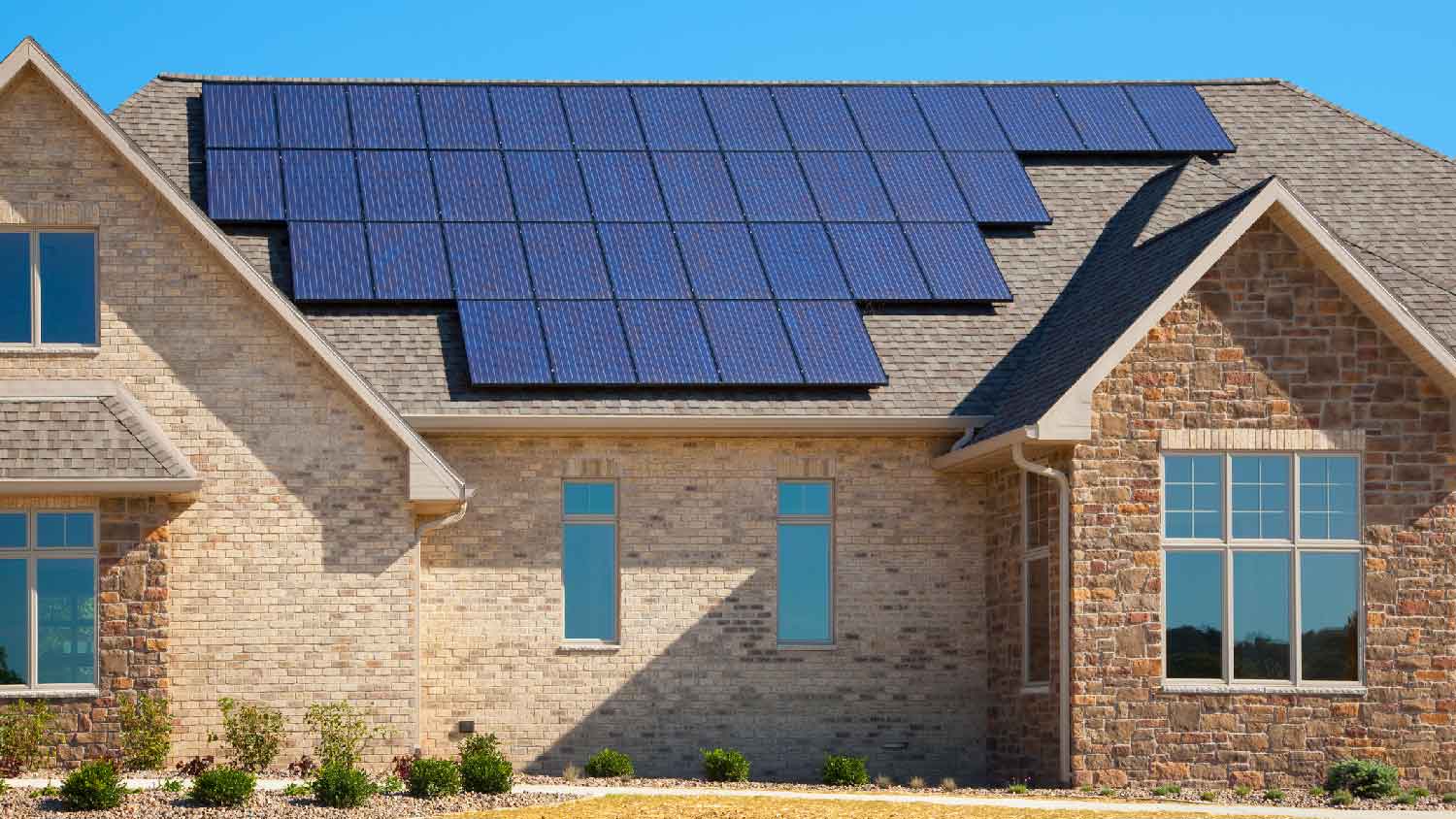
Yes, installing solar panels or a solar roof can increase your home's value by approximately 4% to 6%. For a home with a median value of $429,000, this could translate to an increase of around $17,000. A well-maintained solar installation appeals to environmentally-conscious buyers and those looking to lower their utility bills, often helping homes sell faster and at a premium in areas with high electricity rates. However, the exact increase in value depends on factors like the local real estate market, energy costs, and available solar incentives. It's also important that the system is correctly installed and maintained; an older or poorly maintained system may not add significant value, particularly if it's near the end of its lifespan. Other solar features, like panels on a shed, can also boost your home's value.
There are a few great questions to ask a solar contractor or inspector when you speak to them. You’ll probably want to find out about the energy yield and efficiency of your array, ensuring the actual output matches the amount you calculated when installing the array in the first place. It’s also a good idea to find out about any damage or wear and tear on the array and to inquire about how soon you need to make repairs or replacements to essential components.
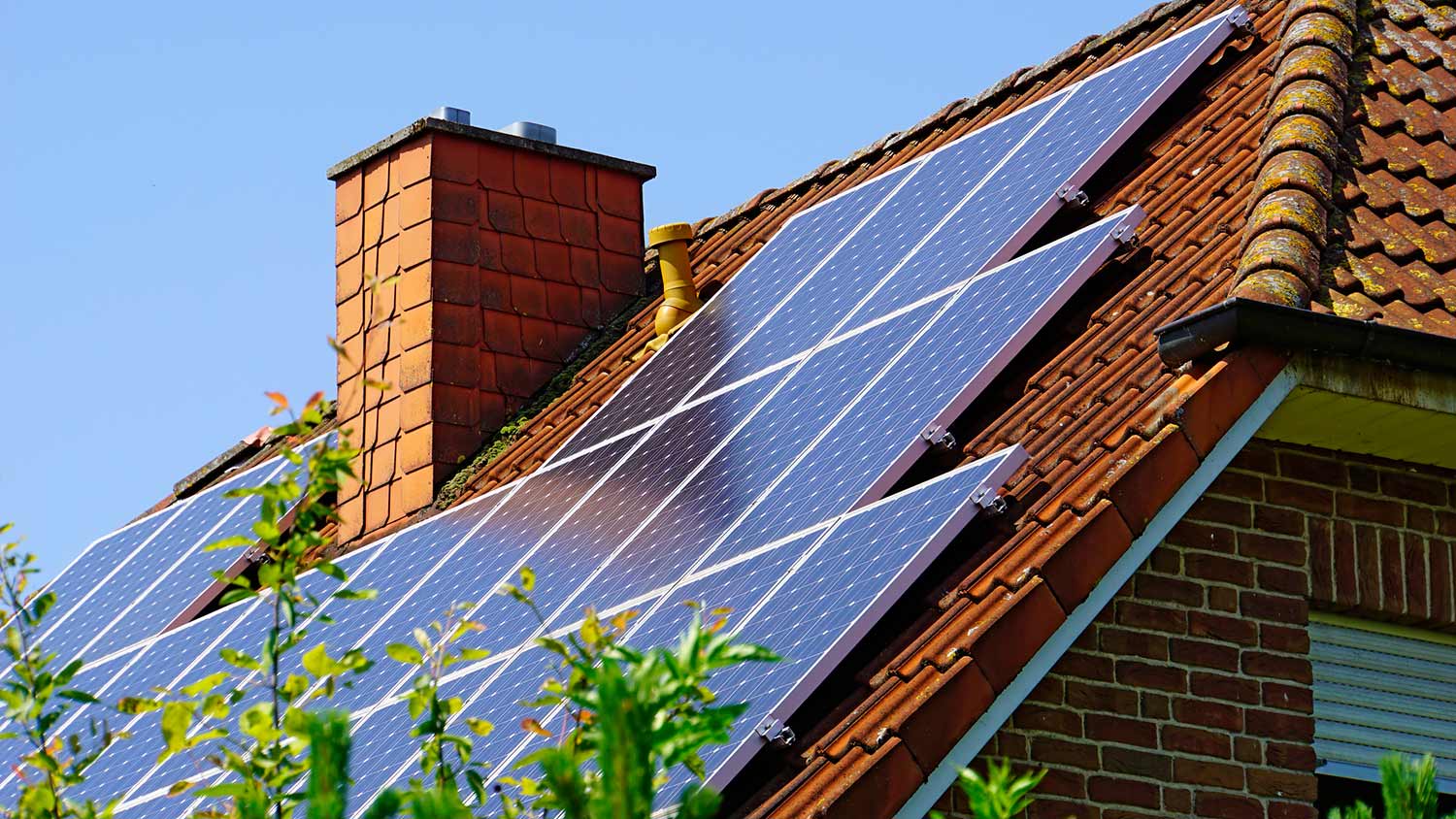
While solar panels can be a great investment, they aren’t ideal for every roof. For example, some roofs, especially older or structurally weak ones, may struggle to support the added weight, leading to potential damage. Roofs with complex designs, obstructions, or limited sunlight exposure might not provide optimal conditions for solar energy production. Consider these downsides when determining if solar panel installation costs are worth it.
Yes, a solar panel can power a TV without a battery, but only if the sun is shining and the panel is generating enough energy. Your solar panel and TV must have the same voltage, and you should install a charge controller and inverter between them so power surges don’t destroy your TV. To watch TV at night, in the early morning and late afternoon, and on cloudy days, your home must be tied to the power grid.
The best way to save money on solar panels is to take advantage of federal and state solar incentives. For example, the solar investment tax credit (ITC) offered by the federal government can save 30% of your total—if you can take the entire credit, which is based on income taxes owed—or an average of around $9,000. You can check the Database of State Incentives for Renewables and Efficiency (DSIRE) for state and local incentives that could save you even more.
The Highmore, SD homeowners’ guide to solar panel services
From average costs to expert advice, get all the answers you need to get your job done.
There are a few factors to consider when it comes to solar panel repair costs. This guide breaks down the prices of solar panel removal, repair, and replacement.
Find out how much it costs to remove solar panels, including average prices, key cost factors, and tips to save money on your solar panel removal project.
There are three types of solar panels: monocrystalline, polycrystalline, and thin-film. Before choosing one for your home, here are the pros and cons of each.
If you’re making the switch to solar energy, you’ll want to know the difference between solar panels versus solar shingles. Here are the pros and cons of each.