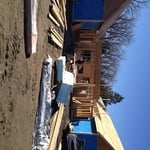
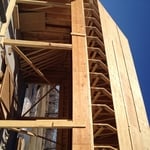
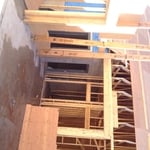
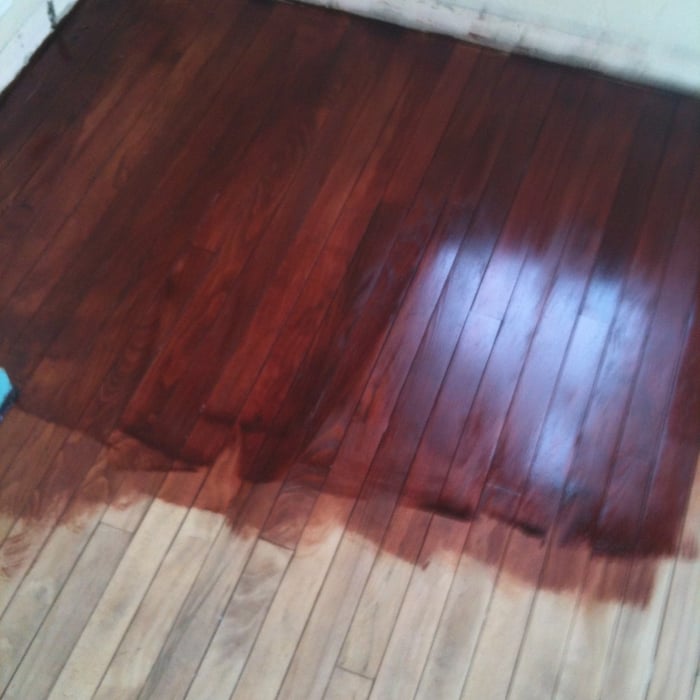
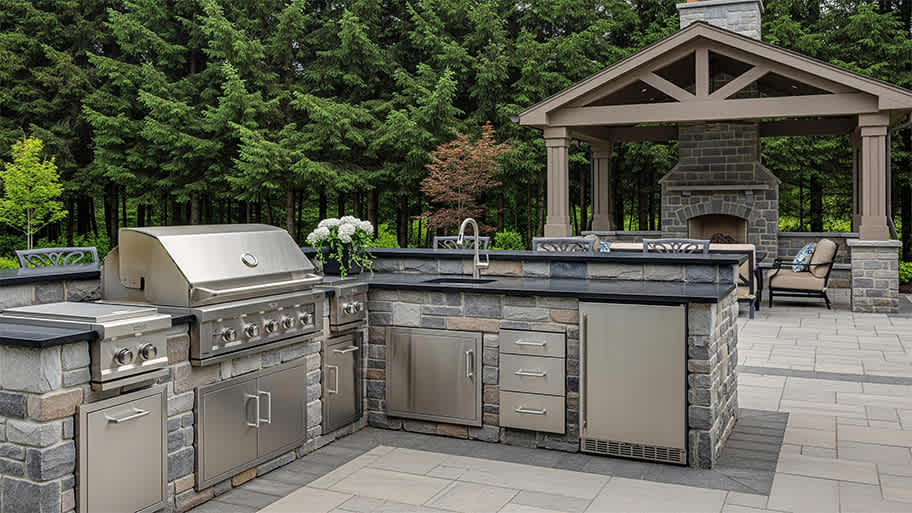
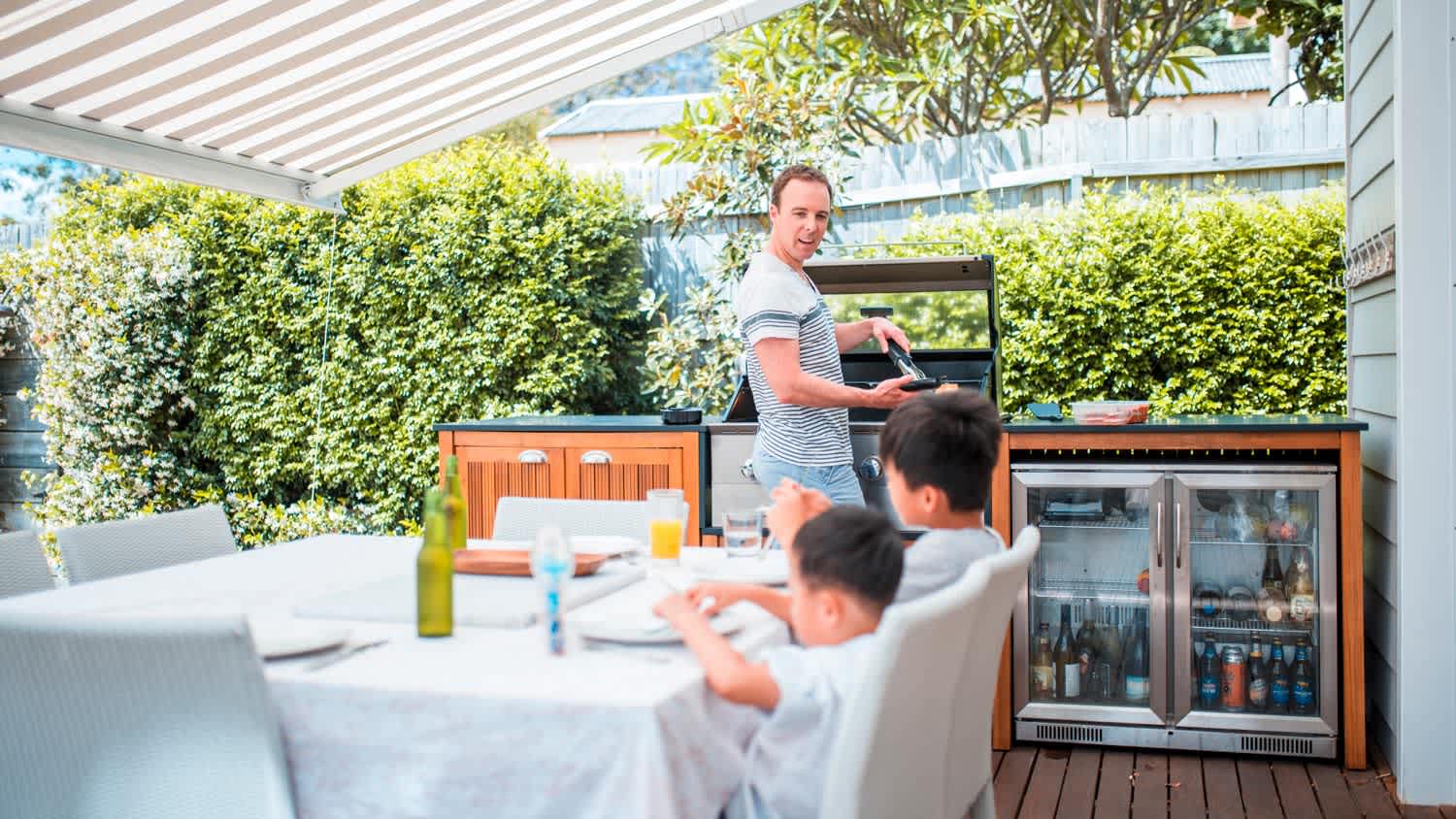
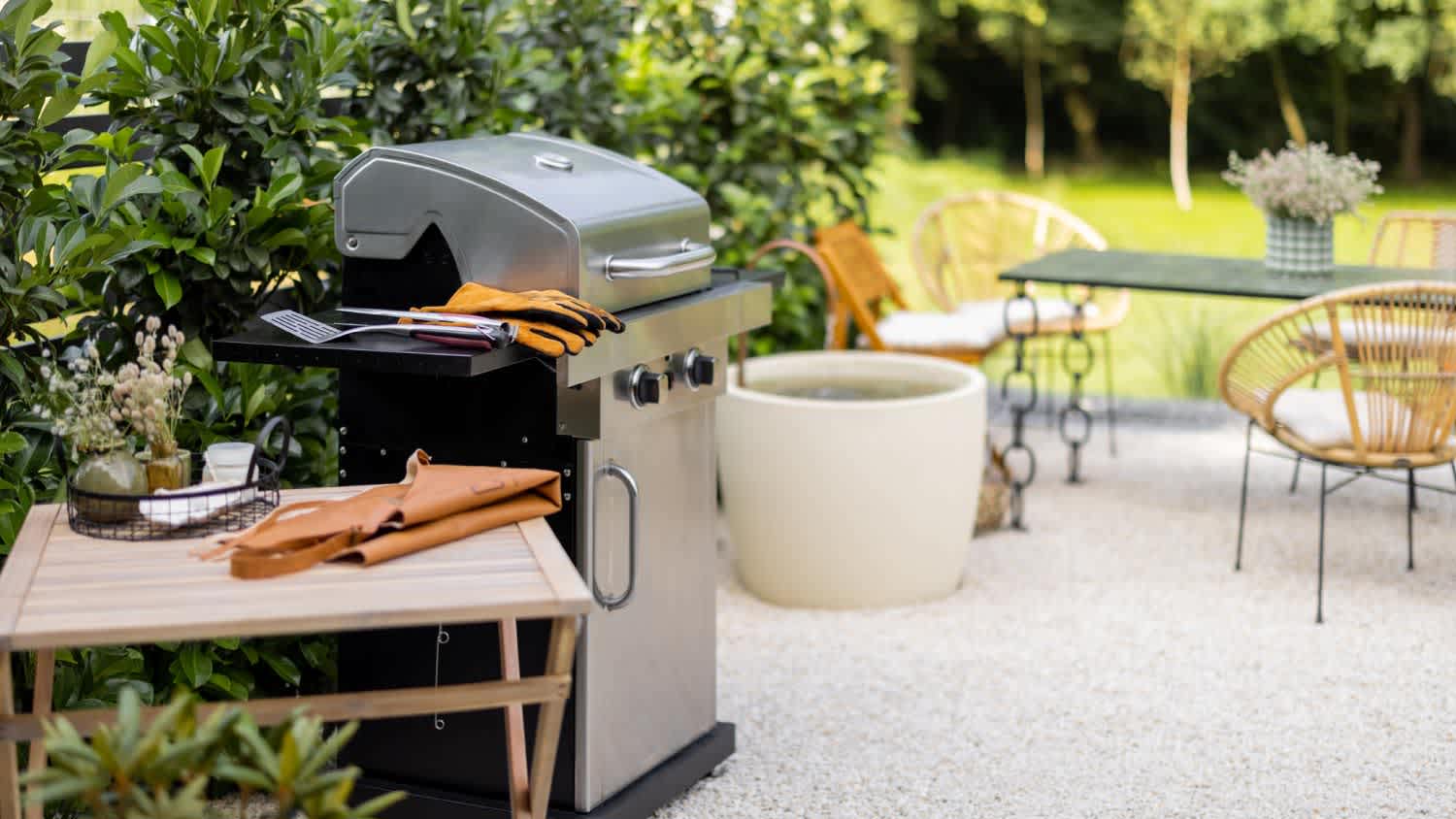
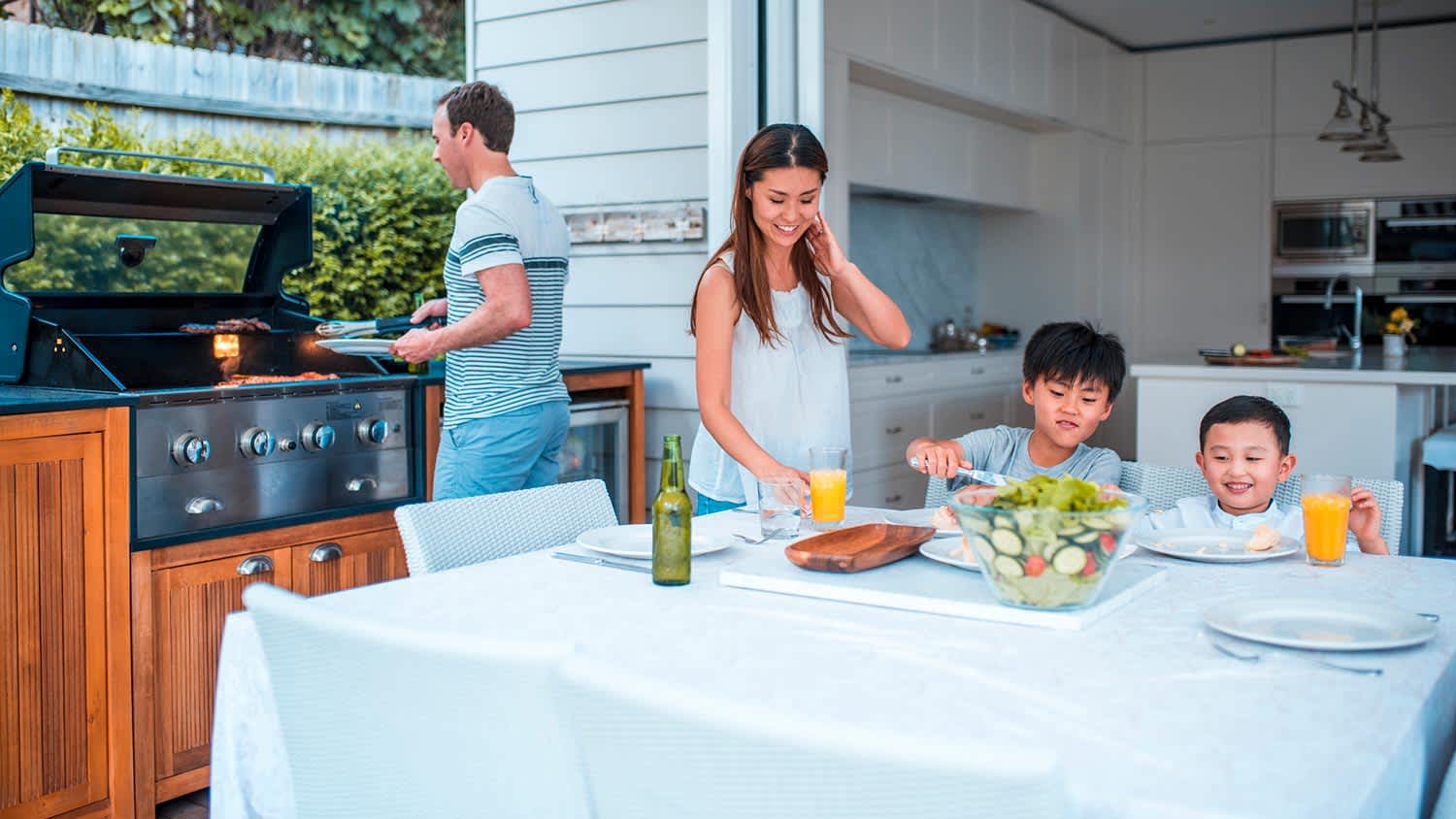
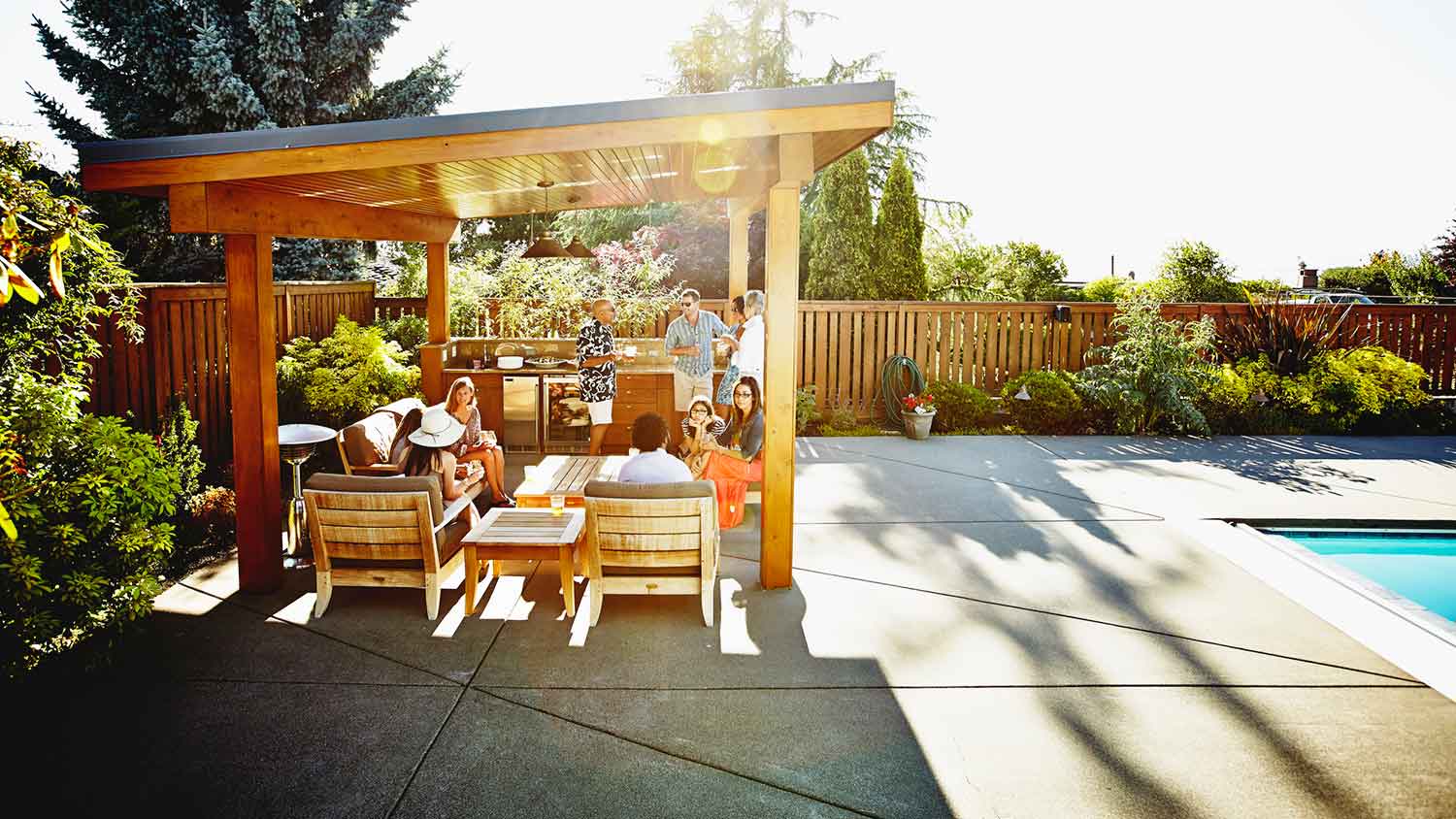
There are several ways to save money and keep costs down when building an outdoor kitchen. Building on an existing patio can reduce the cost of a new foundation, especially if it's close to the house. You can also save on utility line installation by opting out of a sink and using a built-in propane or charcoal grill. If you have the skills, tackling parts of the project yourself—like building or finishing cabinets, installing fixtures, and constructing seating—can lead to significant savings. Reusing appliances you already have is another great way to cut costs. Finally, consider starting small with just the essential components and adding more features over time as your budget allows.
Pallet wood can withstand all kinds of outdoor weather conditions, which is part of why pallet fences are so appealing to DIY-ers. You can weatherproof the wood further before you paint or stain it, as well. Pallet fences are low-cost, easy to install, and can withstand sun and rain exposure without rotting.
No, even if you have a vague idea of what you want, it’s a good idea to reach out to a contractor that specializes in outdoor kitchens for assistance. Professionals who have constructed kitchens for other homeowners can not only help you think about the functionality and convenience of your outdoor space—which many homeowners neglect—but they can also help you choose high-quality, durable materials that meet your budget and match the rest of your outdoor space. In fact, it’s often better to contact a contractor and get the ball rolling before you have a solidified plan for your outdoor kitchen.
A few materials are most commonly used when it comes to building a frame for an outdoor kitchen: wood, steel, and concrete or brick. While there’s no best option overall, each material is better suited to different needs. Concrete and brick are typically more customizable than other options, but aren’t as resistant to inclement weather as steel. Wood is the most affordable pick, but it is more susceptible to rot, mildew, and heat than the others.
The best height for a pizza oven is one that allows the user to easily see what’s going on inside and comfortably place pies without having to crouch over. In general, that means the opening should be between 36 and 48 inches off the ground. By contrast, the height of the dome is totally up to your preference, because different heights create different results. Shorter domes are better for creating Neapolitan-style pies, whereas taller domes are ideal for NY-style recipes.
The Mclaughlin, SD homeowners’ guide to outdoor kitchen services
From average costs to expert advice, get all the answers you need to get your job done.
Discover the cost to build an outdoor kitchen, including average prices, cost factors, and tips to help you plan your project and maximize your investment.
Considering an outdoor kitchen? If you enjoy entertaining loved ones or prefer your meals alfresco, here's how to evaluate if an outdoor kitchen may add value to your home.
The best outdoor kitchen design ideas are ones that suit your needs. Check out these layouts and design concepts to help you assemble your perfect outdoor kitchen.
Dreaming of an outdoor kitchen? Get layout ideas for everything from a simple, low-budget DIY outdoor kitchen to a state-of-the-art, chef-worthy space.
A covered space is ideal for grilling comfortably without worrying about rain or heat. Use our list of outdoor kitchen gazebo ideas to inspire your next project.