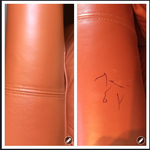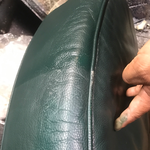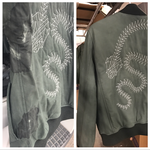
"Michelle at Premier did a great job of educating me on how to care for my 20+-year-old leather coat, on what needed to be done to renew it, and cleaned it so it was almost like new. She also took over cleaning a fine Italian wool jacket I sent her, and even found buttons to replace ones on the sleeve that had fallen off She's professional, prompt, and gets the job done! I have no worries when I send my clothes to her in Calif from Wyoming (because we have no comparable specialty cleaners here)."
In most cases, it is best to leave icicles on your roof and allow them to melt naturally. You should only remove them if they are heavy enough to cause damage to your home or pose a safety risk to people below. Attempting to remove icicles yourself can be dangerous, so if you are concerned about immediate damage, it is recommended to hire a professional. To prevent icicles from recurring, you should address the underlying cause, which is often poor insulation. Long-term solutions include improving your home's insulation or installing roof heating coils.
Soft washing chemicals typically consist of a mix of sodium hypochlorite (or a chemical component of bleach) and water. While sodium hypochlorite and bleach are often thought to be the same thing, there is one small but key difference between the two: sodium hypochlorite comes in powdered rather than liquid form, which means that it’s also more concentrated and more effective from less product overall.
Yes, cleaning removes harmful elements that contribute to rot or degradation, extending the roof's lifespan and averting costly future repairs.
Most housekeepers won’t handle tasks that require specialized equipment or training, like carpet shampooing, window washing at high levels, or outdoor cleaning. Housekeepers typically dust, vacuum, mop, wash dishes, clean surfaces, and launder linens. It’s best to clarify what services are included before hiring to make sure you’re on the same page.
You should avoid using a pressure washer on any surface or item that could be damaged by the high-pressure spray, as some materials are too delicate to withstand the force.
Key items and surfaces to avoid include:
Electrical Components: Never pressure wash electrical systems, as water can cause short-circuits and create a safety hazard. This includes utility meters, breaker boxes, electrical outlets, generators, and HVAC or air conditioner units.
Delicate and Fragile Materials: Fragile items can crack, shatter, or be stripped by the pressure. Avoid pressure washing windows, glass, light fixtures, shingled roofs (especially asphalt), and stucco.
Painted, Stained, or Sealed Surfaces: Unless your goal is to strip the finish, do not pressure wash painted surfaces, stained wood (like decks), or anything with a protective seal that could be stripped away. Be especially cautious with older surfaces that may contain lead paint.
Soft Woods and Certain Decking: Delicate surfaces like softwood, composite decking, and antique or wooden patio furniture can be etched or damaged. If you must wash wood, use a lower-powered pressure washer with a wide-angle nozzle to prevent damage.
Living Things: Never use a pressure washer on people, pets, or plants. The force can cause serious injury and will destroy landscaping.
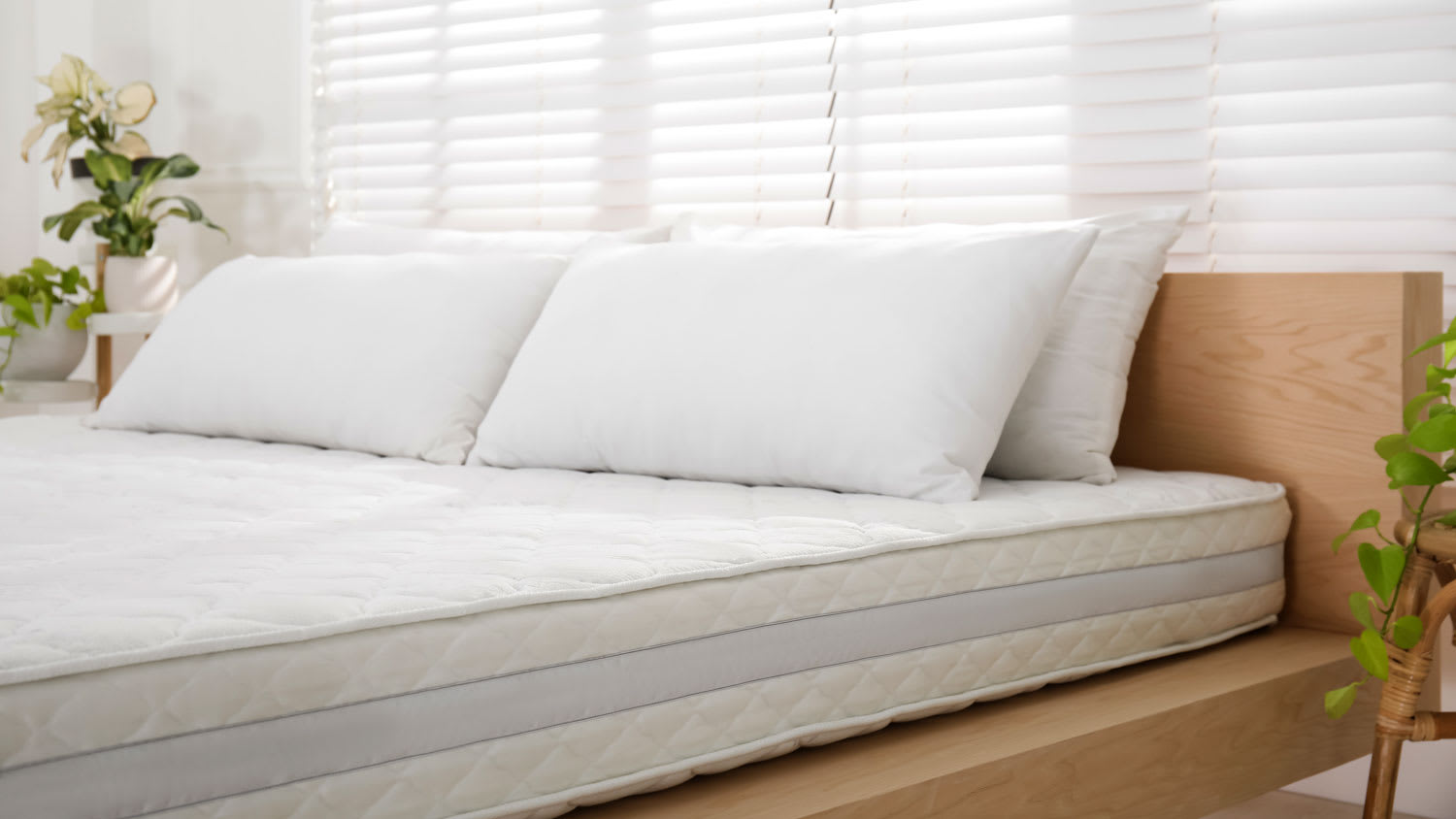
The Mclaughlin, SD homeowners’ guide to mattress cleaning services
From average costs to expert advice, get all the answers you need to get your job done.
Mattress cleaning cost depends on the number of mattresses being cleaned and the size of each. Use this guide to better understand mattress cleaning prices.
Mattresses are considered hazardous waste, so you’ll likely have to pay disposal fees. Use this guide on mattress removal costs to see what your total will be.
Cleaning pee out of a mattress might seem like a daunting task, but you can clean up and get rid of the lingering odor with household items you already have.