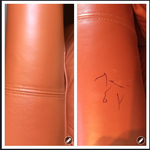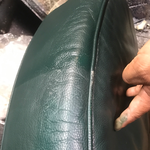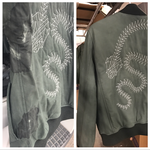
"Michelle at Premier did a great job of educating me on how to care for my 20+-year-old leather coat, on what needed to be done to renew it, and cleaned it so it was almost like new. She also took over cleaning a fine Italian wool jacket I sent her, and even found buttons to replace ones on the sleeve that had fallen off She's professional, prompt, and gets the job done! I have no worries when I send my clothes to her in Calif from Wyoming (because we have no comparable specialty cleaners here)."
You may become so frustrated with the look of moss on your roof that you contemplate whether to clean or replace your roof. Fortunately, you don’t have to go as far as replacing it. After cleaning the moss, you can use a chemical solution to keep it away. For further protection, trim branches that overhang the roof, as fallen seed pods and leaves on the roof allow moisture to collect, encouraging moss growth. Consider adding zinc-coated flashing to the roof, too. As rain washes across the zinc, it leaves zinc particles behind that inhibit moss growth.
Yes, pros use specialized solutions and pressure settings tailored to surface sensitivity.
Regular cleaning, inspecting for peeling or rust, and reapplying coatings every 8-12 years helps maintain durability.
You should avoid using a pressure washer on any surface or item that could be damaged by the high-pressure spray, as some materials are too delicate to withstand the force.
Key items and surfaces to avoid include:
Electrical Components: Never pressure wash electrical systems, as water can cause short-circuits and create a safety hazard. This includes utility meters, breaker boxes, electrical outlets, generators, and HVAC or air conditioner units.
Delicate and Fragile Materials: Fragile items can crack, shatter, or be stripped by the pressure. Avoid pressure washing windows, glass, light fixtures, shingled roofs (especially asphalt), and stucco.
Painted, Stained, or Sealed Surfaces: Unless your goal is to strip the finish, do not pressure wash painted surfaces, stained wood (like decks), or anything with a protective seal that could be stripped away. Be especially cautious with older surfaces that may contain lead paint.
Soft Woods and Certain Decking: Delicate surfaces like softwood, composite decking, and antique or wooden patio furniture can be etched or damaged. If you must wash wood, use a lower-powered pressure washer with a wide-angle nozzle to prevent damage.
Living Things: Never use a pressure washer on people, pets, or plants. The force can cause serious injury and will destroy landscaping.
Yes, moss can be dangerous for your roof if left in place to grow without treatment. The moss soaks up and holds moisture. Having a constantly damp roof could lead to problems with rot for the parts of the roof that consist of wood. Additionally, a patch of thick moss may draw insects and birds, which could damage the roof. Thick moss could block the roof’s drainage system. Water then may back up after a rainstorm and cause further damage that could eventually lead to roof repair expenses or the cost of roof replacement.
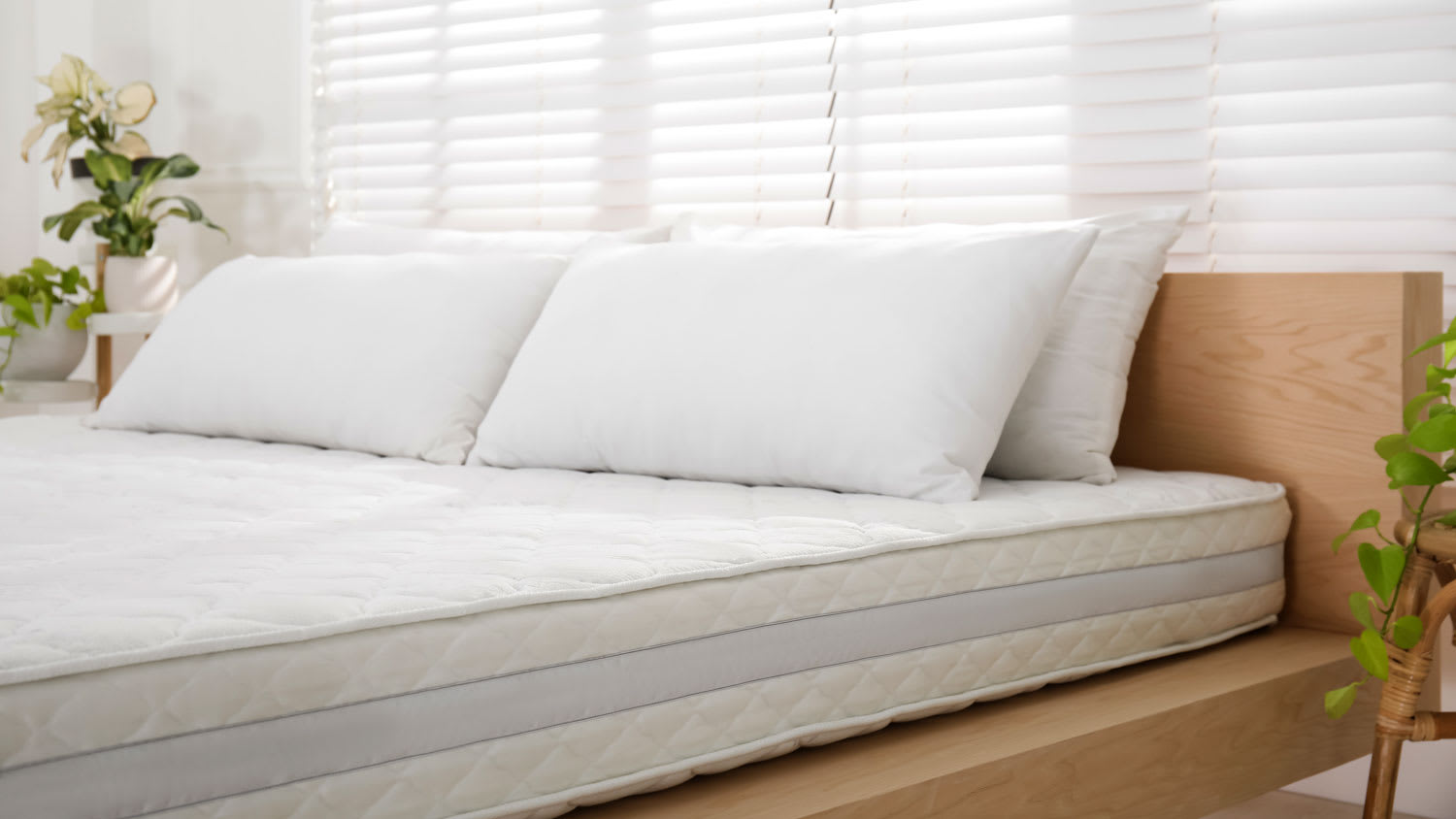
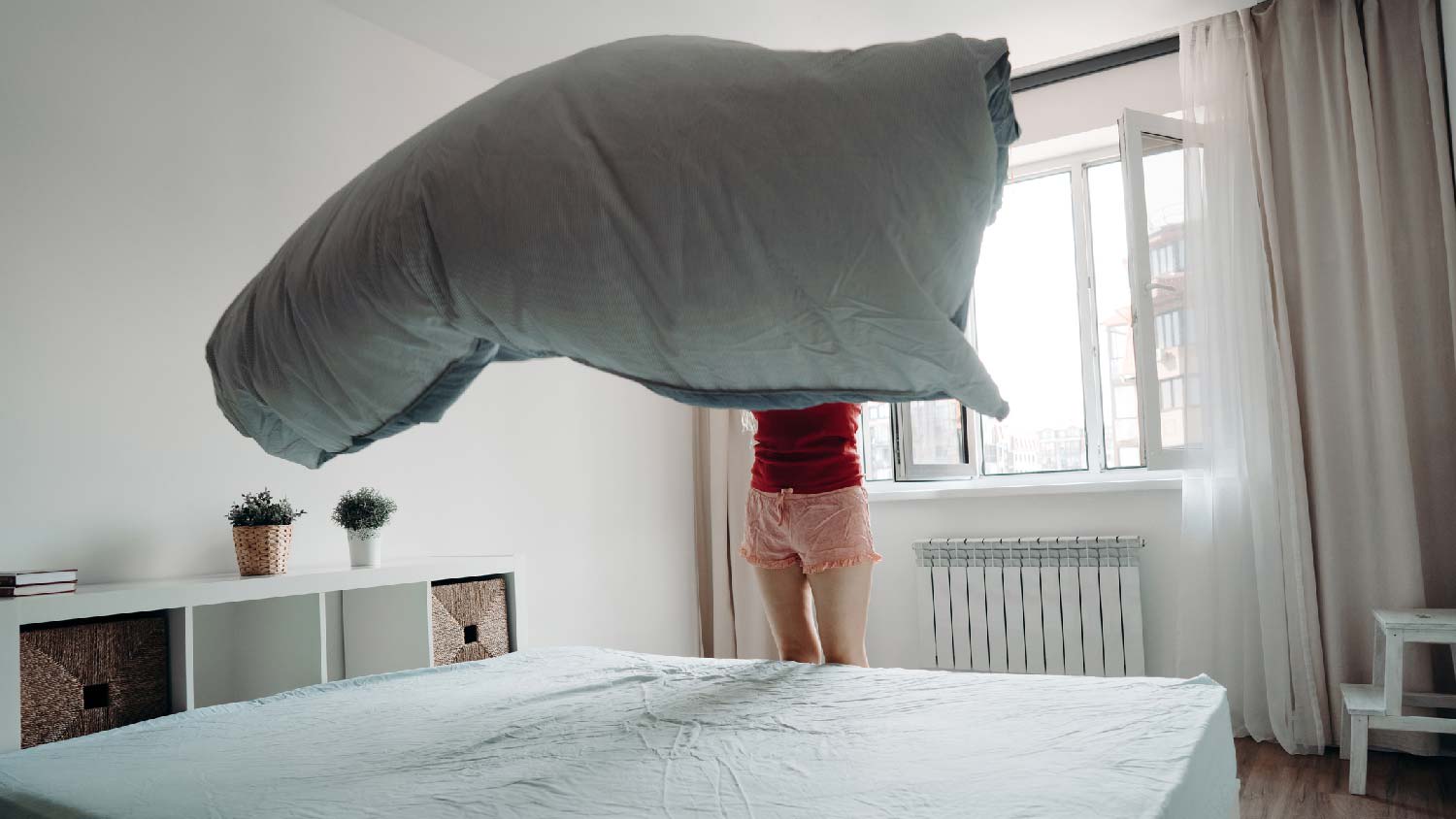
The Mott, ND homeowners’ guide to mattress cleaning services
From average costs to expert advice, get all the answers you need to get your job done.
Mattress cleaning cost depends on the number of mattresses being cleaned and the size of each. Use this guide to better understand mattress cleaning prices.
Mattresses are considered hazardous waste, so you’ll likely have to pay disposal fees. Use this guide on mattress removal costs to see what your total will be.
Cleaning pee out of a mattress might seem like a daunting task, but you can clean up and get rid of the lingering odor with household items you already have.