"We pay yearly but we have this is included with our rental property. They are pretty good on most things. We had a hot water heater replaced and they did an excellent job on that. They are very quick on their response. They dont come out here. It is all done on the internet. I just like the idea that one time service charge is so much better than trying to hiring someone to come in. It is more about convenience. It pays for itself."
It is very difficult and dangerous to install your own water heater, so we strongly recommend against tackling this as a DIY project. Not only will you need to wire your water heater, but you’ll also need to connect plumbing to the intake and outlet. Sweating copper pipes and connecting wiring properly are skills most DIYers don’t have, and even if you do feel confident you can do it, working with water and electricity always leaves the potential for electrocution. Hiring a local water heater installer is well worth the investment.
The lifespan of a water heater depends on its type, usage, and maintenance schedule. Traditional tank-style water heaters typically last between 8 and 12 years, though the range can be as wide as 6 to 15 years. Within this category, gas models often last 8-12 years, while electric models may last 10-15 years. In contrast, tankless water heaters have a significantly longer lifespan, often lasting up to 20 years or more. Factors like heavy usage, hard water, and sediment buildup can shorten a unit's life. To extend its lifespan, it is crucial to perform regular maintenance, such as flushing the tank annually and scheduling professional inspections. If your unit is over a decade old and shows signs of rust, leaks, strange noises, or inconsistent heating, it is likely time for a replacement.
Heat pump water heaters, also known as hybrid water heaters, are the most efficient types of water heaters—both in terms of carbon emission and energy efficiency. This type of water heater utilizes as little as half of the energy of a traditional water heater while releasing no direct emissions. Tankless water heaters are also extremely efficient, although slightly less so than hybrid heaters.
No, you’ll need to drain the tank before changing a water heater element, as the water heater element sticks through the side of the tank and uses a gasket to prevent water from pouring out. However, you don’t always need to drain it completely. If you’re only replacing the upper heating element, you can drain the tank until the water line is below the element. If you’re replacing the lower element, you’ll need to drain the whole thing.
If you have a tank-type electric water heater, it runs regularly to keep the water at the desired temperature. If you live in a home where you don’t use much hot water, it could seem wasteful to run power to heat water that you’re using infrequently. You could save some power by using a smaller tank, insulating the tank, or lowering the temperature of the water heater.
The Lemmon, SD homeowners’ guide to water heater services
From average costs to expert advice, get all the answers you need to get your job done.
A water heater flush costs $160 on average but can vary based on the unit size, type, labor, location, and more. Keep reading to learn how much you could pay.
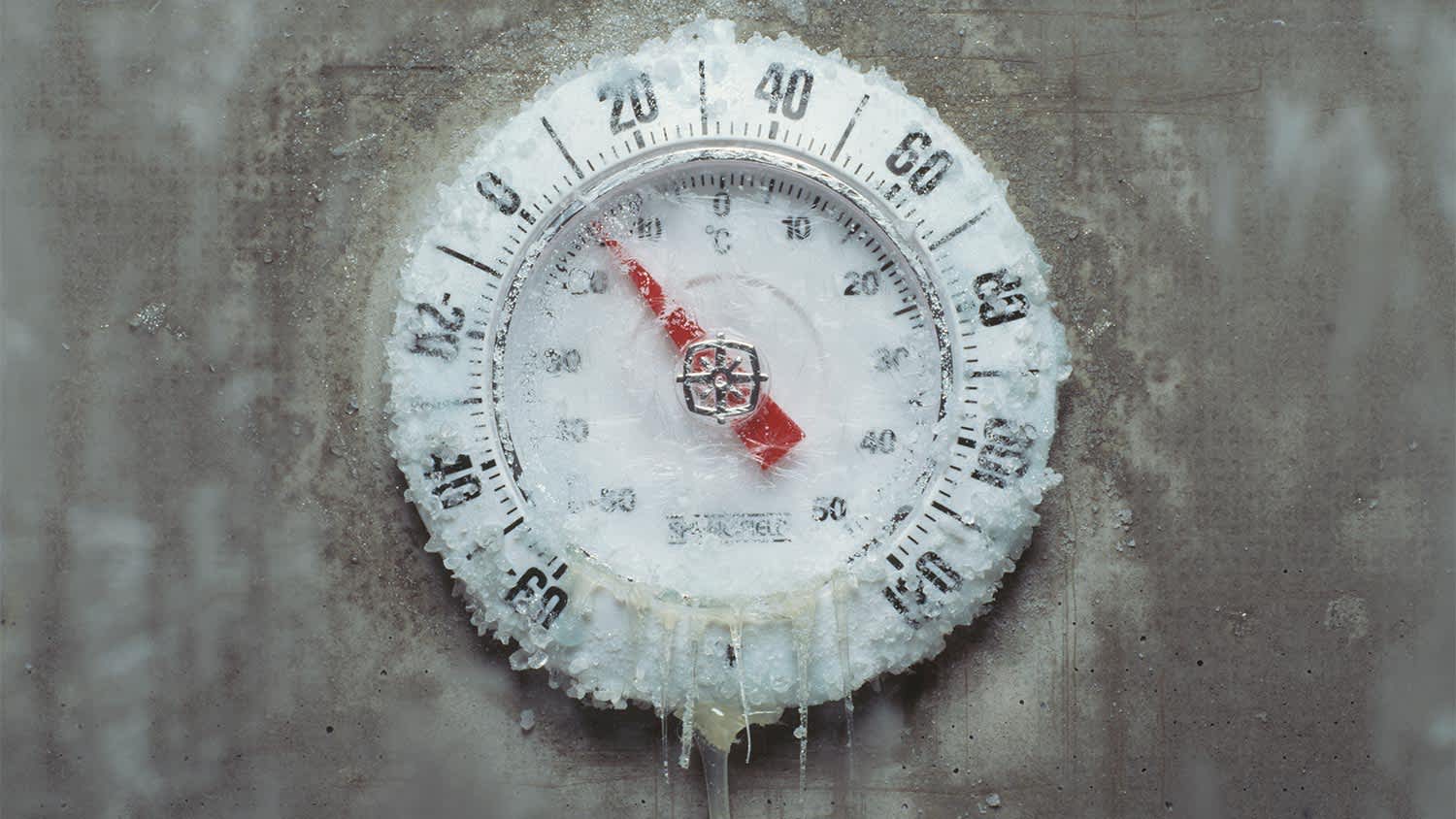
Worried your water heater might freeze this winter? Learn to spot the warning signs and how to safely thaw your tank or tankless system out if necessary.
Hybrid water heaters will have you weighing high initial costs versus long-term savings. Is it the right option for you? Explore the pros and cons of hybrid water heaters.
The average lifespan of water heaters is 6 to 15 years for conventional models and up to 20 for tankless ones, but it can be less if they are not properly maintained.