"I only use James when I need some work done to my house. He responds fast, gets the work done quicker than just about anyone else I've ever used and seems very concerned with leaving his customers happy."
When choosing materials for finishing basement walls, consider factors such as moisture resistance, durability, and fire resistance. Opt for materials specifically designed for basement environments, like moisture-resistant drywall or cement board. Insulation with vapor barriers can help regulate temperature and prevent condensation. Consider using mold-resistant paints or coatings.
Research and consult with experts to select materials that are suitable for your specific basement conditions and intended use. Prioritize quality and compatibility to achieve long-lasting and aesthetically pleasing results.
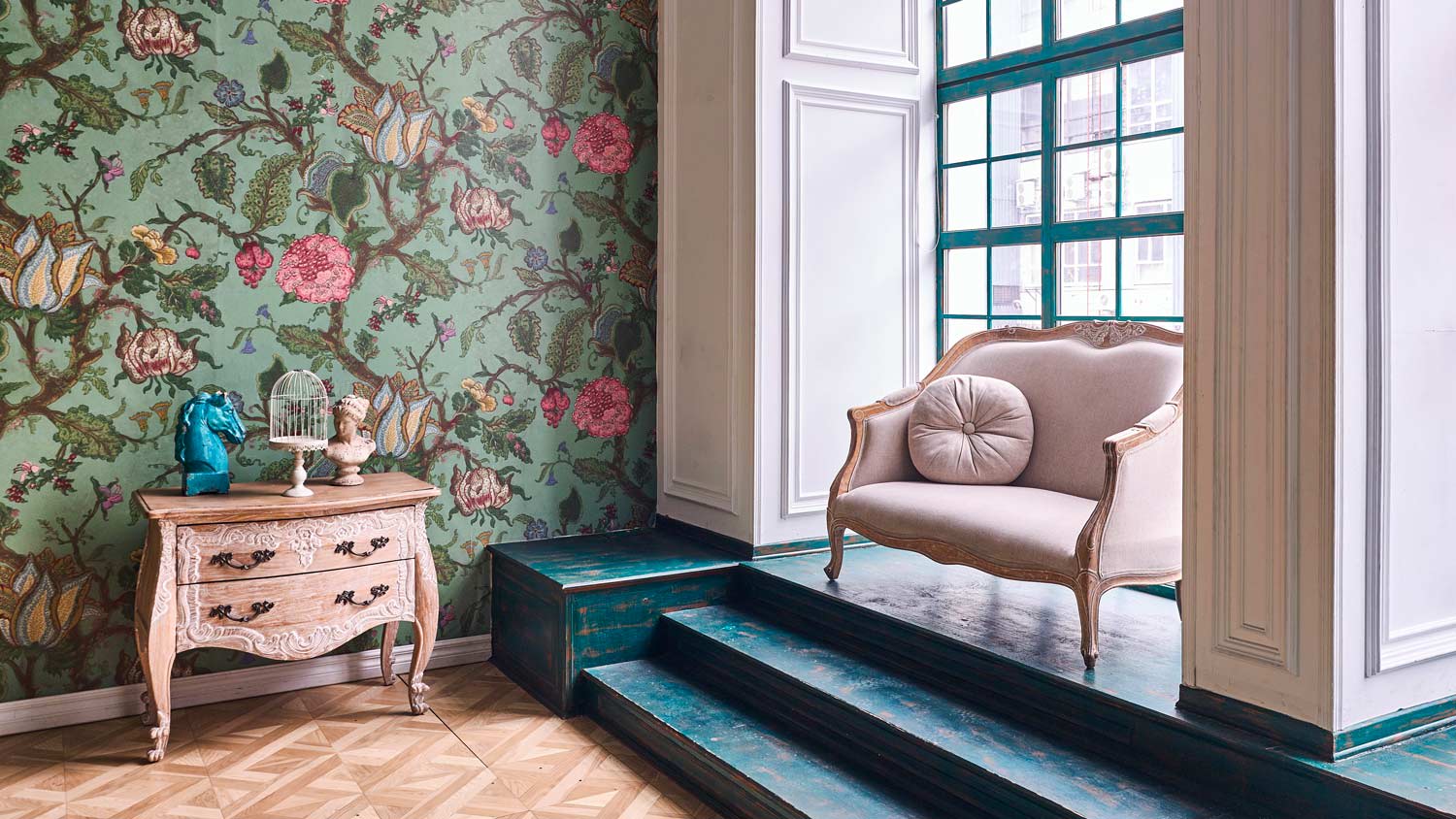
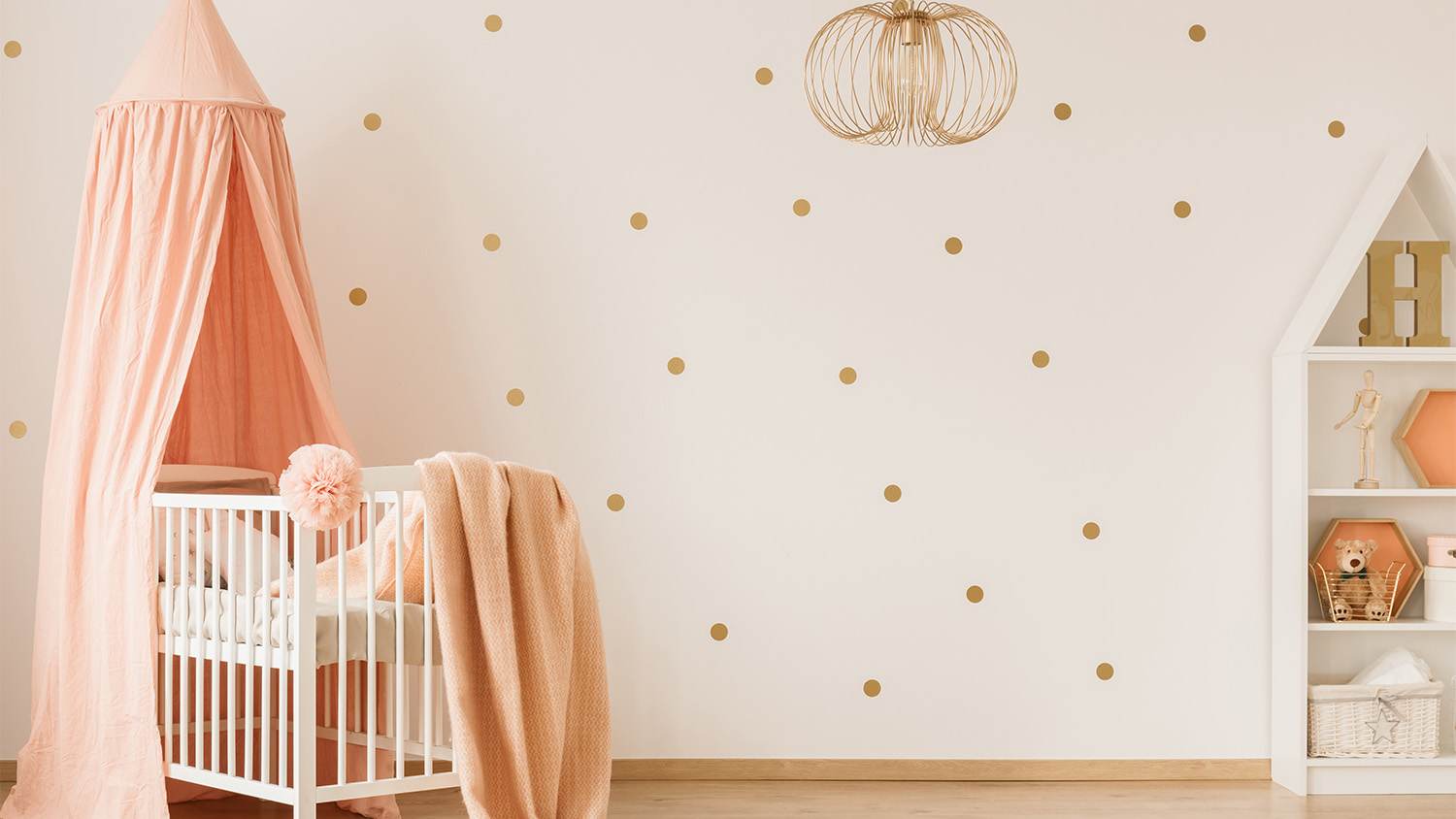
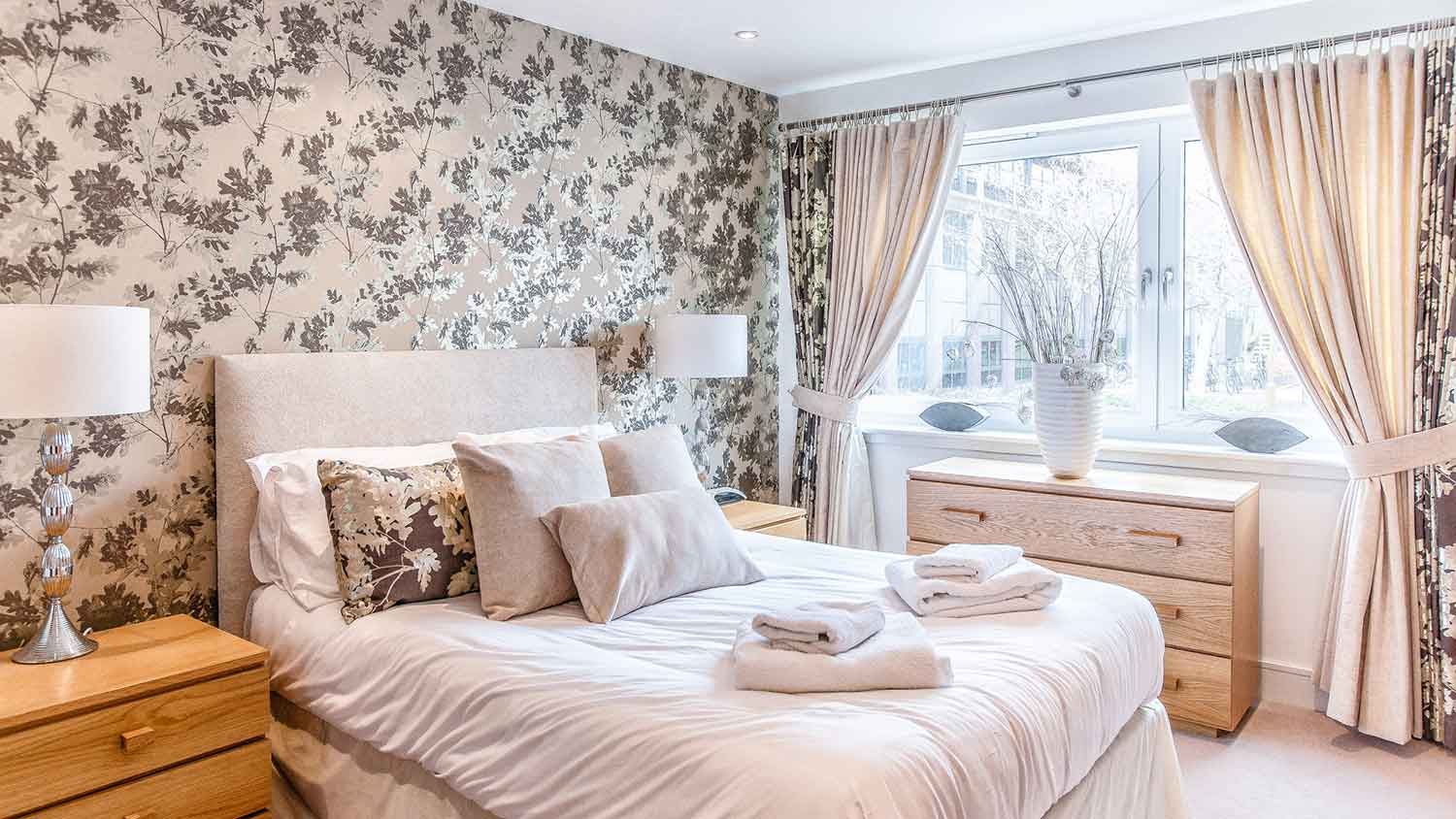
Accent walls can feel out of place or distracting if not well designed. Accent walls that don’t fit in with a room’s style can feel jarring or overpowering. Some accent wall styles can also feel dated, but fortunately, it’s easier to update a single wall than an entire room.
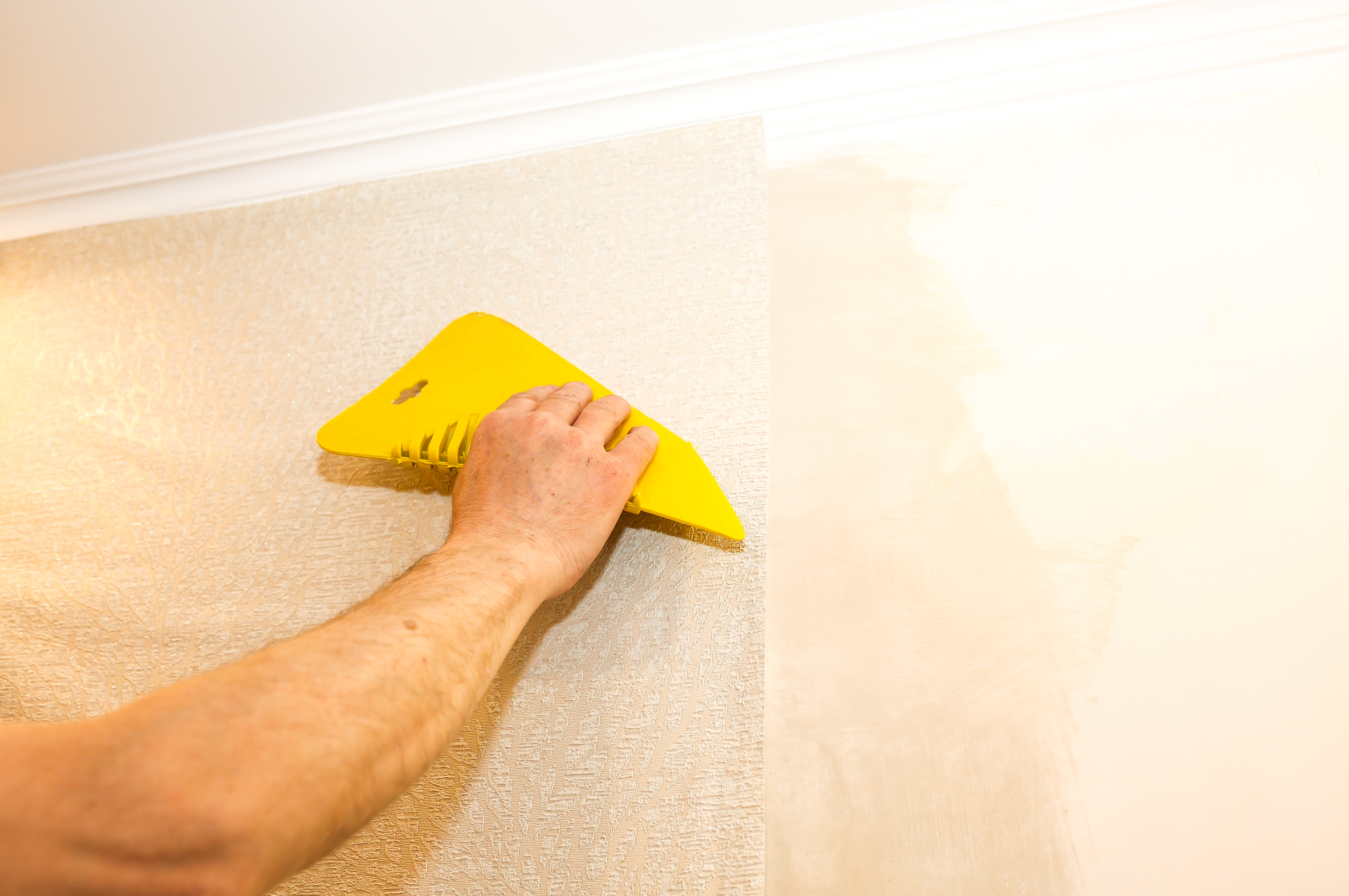
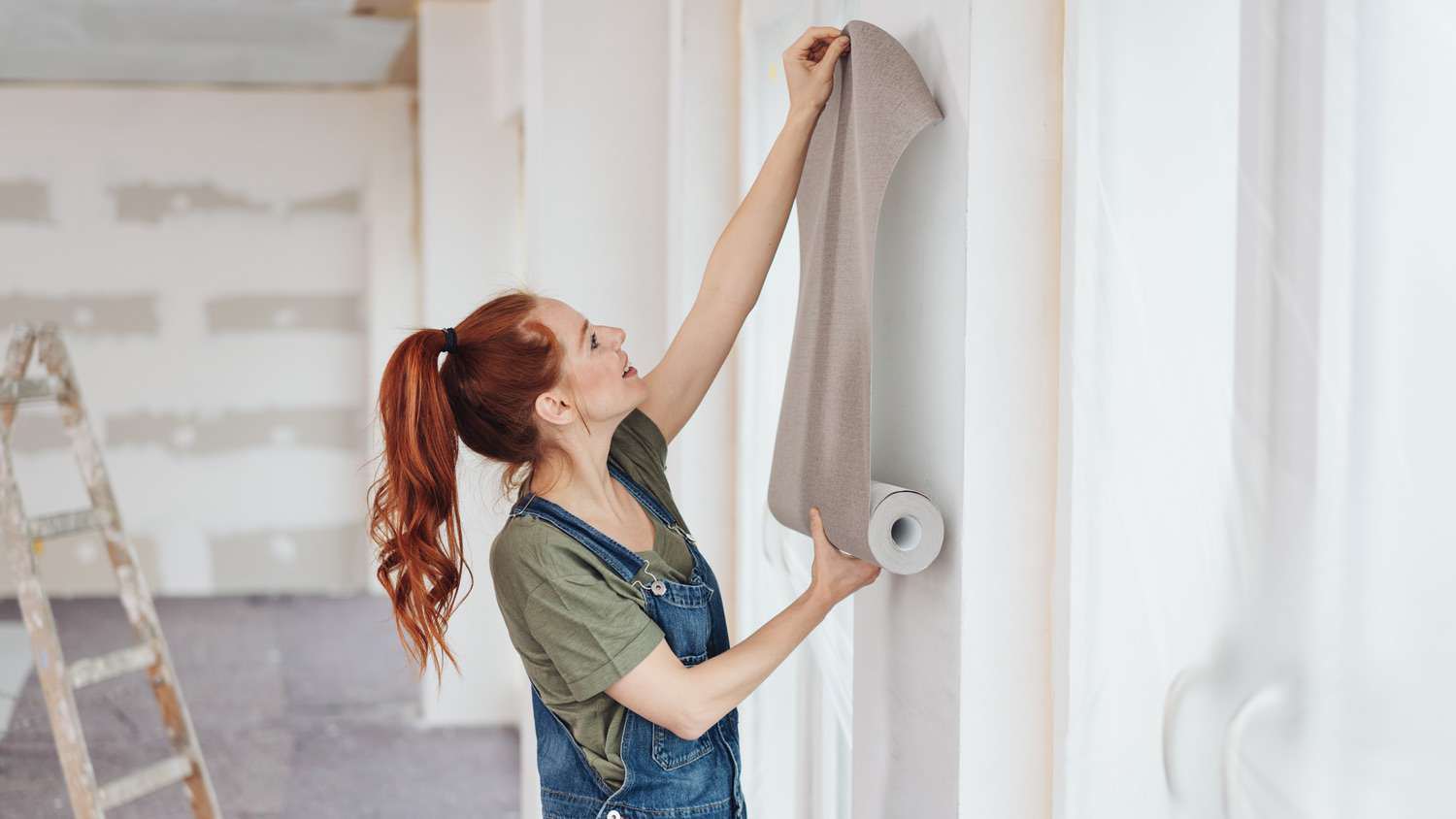
You may end up with extra wallpaper once your project is finished. Hang on to that wallpaper, as you may need to use it to patch up areas that get damaged later on. If you have a lot of excess wallpaper, try getting creative with it. You can use it to line the inside of a cabinet or drawers, for example.
Yes, you can apply peel-and-stick wallpaper over wood paneling, but it requires significant preparation for a good result. Peel-and-stick wallpaper has a weaker adhesive than traditional wallpaper and works best on smooth, non-textured surfaces like painted or primed drywall. Because wood paneling is often textured with grooves, any flaws in the underlying surface will likely be visible after application. To prepare the paneling, you must ensure the surface is free of cracks, holes, and protrusions by filling any indentations and sanding rough spots to create a smooth surface. An alternative is to remove the paneling and apply the wallpaper directly to the underlying drywall or plaster, provided it is in good condition.
While peel-and-stick wallpapers require no time to cure, the adhesives for other types of papers will take a day or two to dry and up to three weeks to fully cure. The differences are the type of paper, the type of adhesive, and the humidity and temperature in the space.
The Lemmon, SD homeowners’ guide to wallpaper services
From average costs to expert advice, get all the answers you need to get your job done.
Discover wallpaper installation cost. Learn about material, labor, and project factors to estimate your budget and make informed choices for your home.
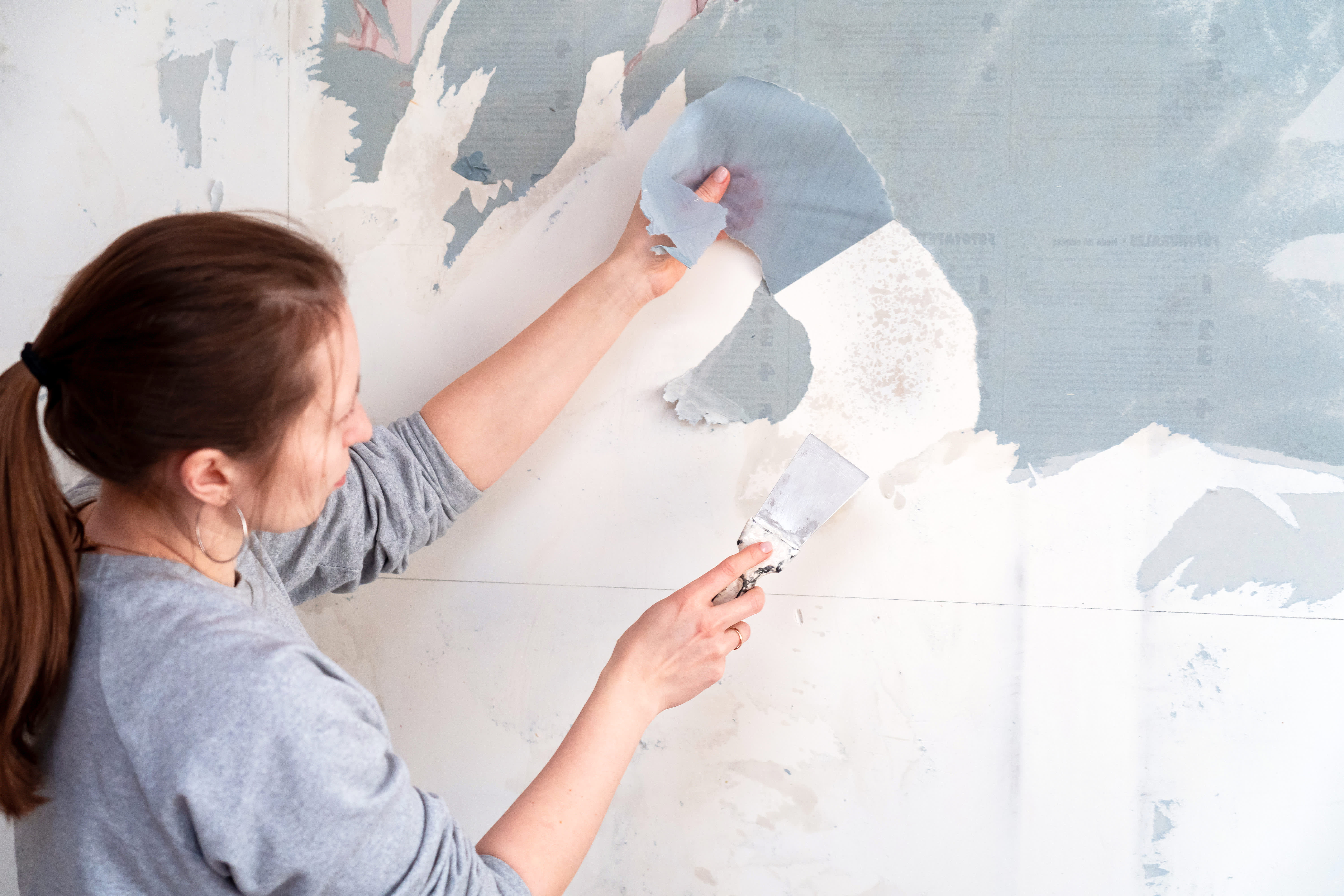
Wallpaper removal requires physical labor and can be a sticky mess. Consider these tips on the best ways to remove wallpaper to make the process as smooth as possible.
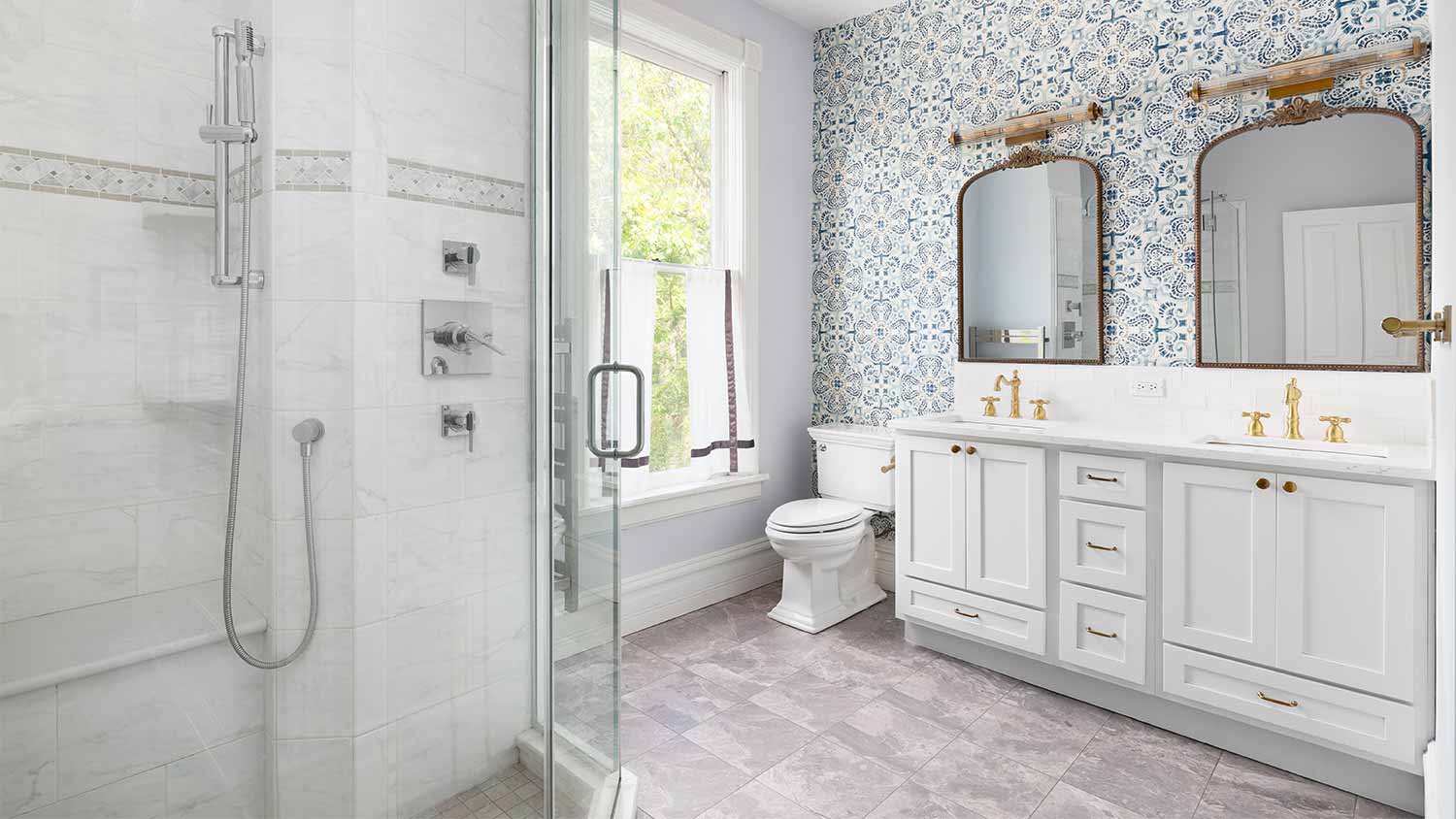
Is washable wallpaper suitable for bathrooms? Yes, but this only applies to certain types of wallpaper in specific situations. Here’s what you need to know.
Taking down wallpaper is a tedious and time-consuming job. Here are some tips on how to hire someone to remove wallpaper for you to make your life easier.