"The owner followed through with everything he said, the job was done when he said it would be and it turned out great , me and my wife are happy and I would definitely use him again."
TileBuys is a well established business in Sioux Falls and surrounding area, offering the finest in craftsmanship and quality. When it comes to professionalism and customer service, we are unmatched! For the best of the best call TileBuys for all your flooring needs!
No, soapstone does not crack easily. The softness of the material protects it from cracking but makes it prone to other types of damage such as scratches. Scratches may need to be buffed out occasionally using fine-grit sandpaper. You can also conceal minor scratches in your soapstone countertops by rubbing the surface with mineral oil.
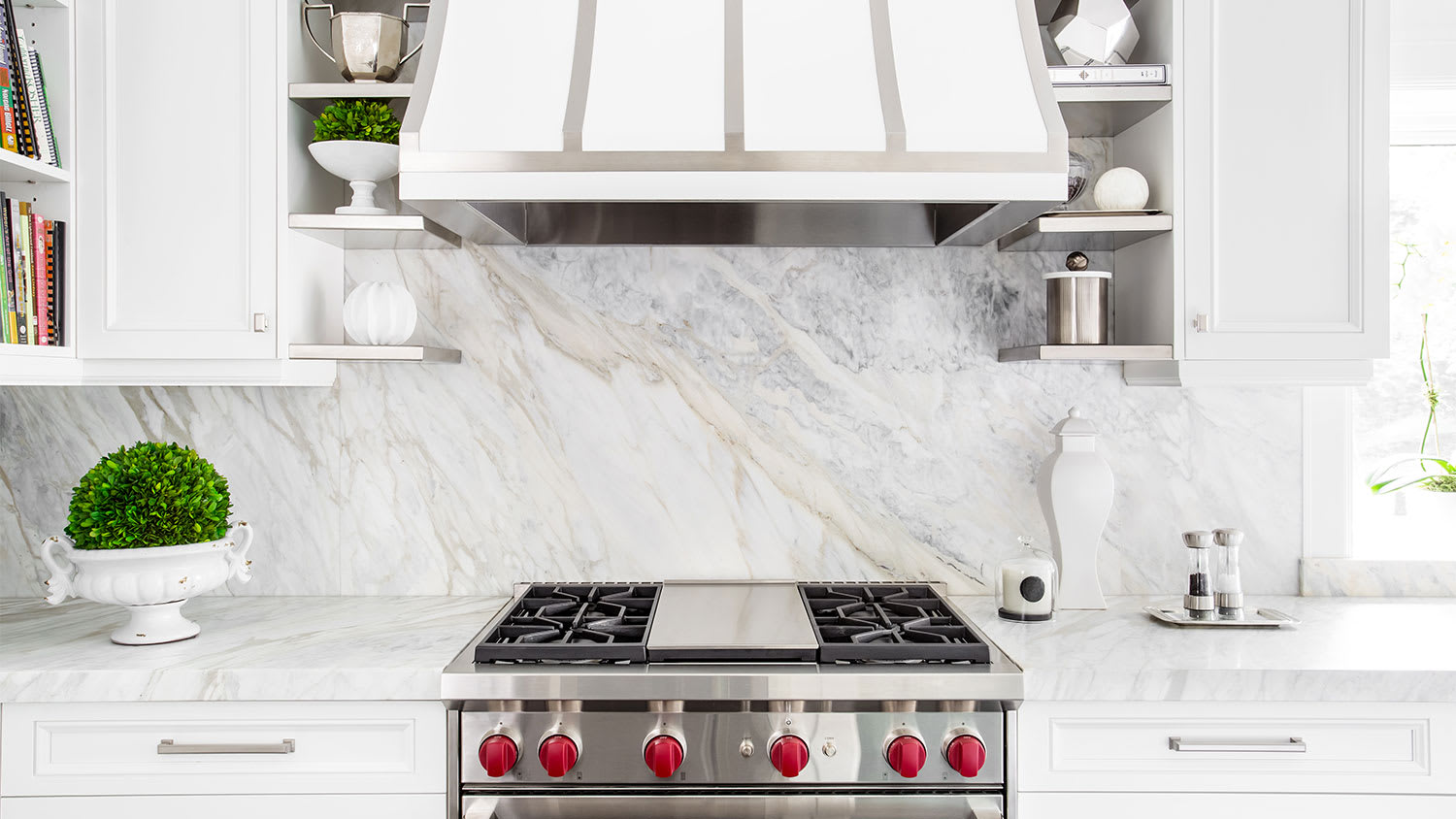
Marble countertops don’t necessarily crack easily. However, they are more susceptible to damage than some other types of countertops. For example, they can develop etching from acidic liquids, such as lemon or tomato juice. Marble can also chip at the edges if you drop a heavy pan. A faux marble countertop isn’t as delicate as the real deal (depending on the material you’re painting over), but it can still get scratched if you’re not careful. Use hot pads and cutting boards to protect the countertop.
Silestone® is a low-maintenance countertop material, but certain things, like strong chemicals and solvents, can cause damage. Abrasive scrubs can cause scratches, and products that contain oil or powder can leave a residue. Finally, avoid letting oven cleaner come into contact with Silestone® because it can cause discoloration.
Beyond landscaping, limestone has multiple uses. For example, there are multiple pros and cons to limestone countertops, such as a lower cost compared to other types of stone and heat resistance. Limestone is also a key ingredient in limewash, a type of paint with a chalky texture. Other uses for limestone include siding, retaining walls, and mixed into cement.
No, you should not put a hot pan or pot directly on a quartz countertop. While quartz is generally heat-resistant, the resin binders used in its manufacturing are sensitive to extreme heat from items exceeding 150 degrees Fahrenheit. This can damage the resin, leading to discoloration, burns, or even cracking. To prevent permanent damage, always use trivets or hot pads for hot cookware.
The Lemmon, SD homeowners’ guide to marble restoration services
From average costs to expert advice, get all the answers you need to get your job done.
Thinking about marble restoration? Learn about polishing options, average costs to expect, and how to hire the right local pro to renew your stone surfaces.