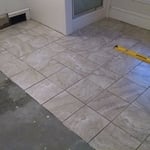
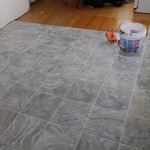
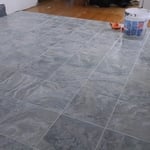
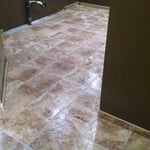
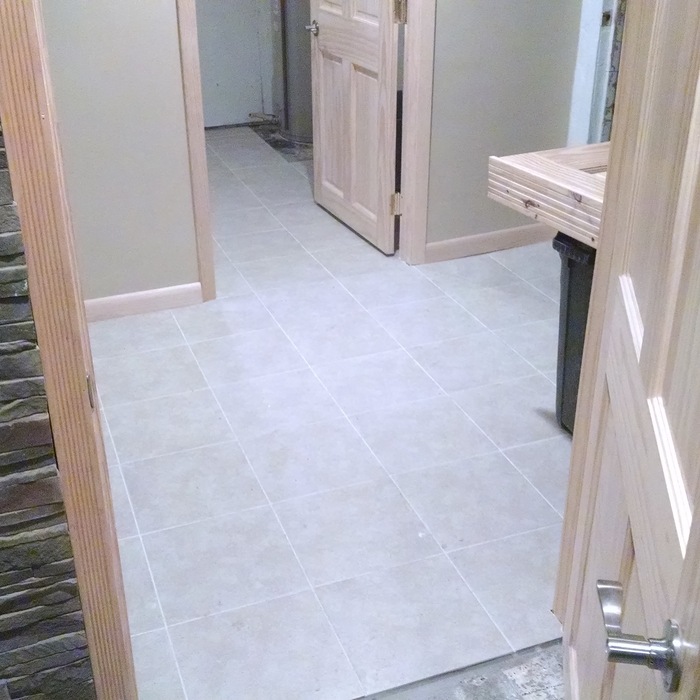
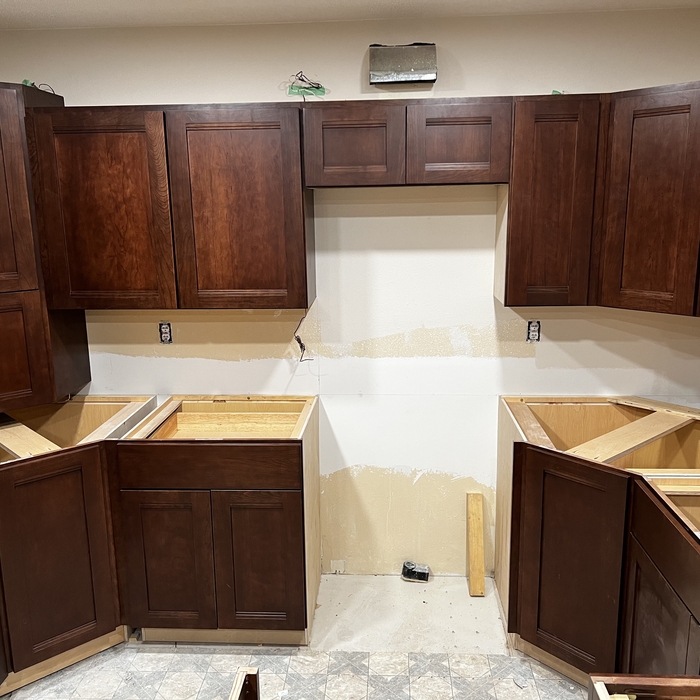
"The owner followed through with everything he said, the job was done when he said it would be and it turned out great , me and my wife are happy and I would definitely use him again."
"Very conscientious and personable. He doesn't charge you by the hour so you get good value for your money. He is an excellent installer and I give him a 5 star rating."
701 Tile Setters specializes in any and all tile work. We handle both residential and commercial, working with both stone and granite. We look forward to earning your business!
We pride our company on reliability, great communication, integrity, and quality work. We are experts in our trade and will do our best to keep you as educated as we can on your particular task or project. We look forward to earning your business!
At Shaina Rutherford Flooring & Design, we are your premier choice for all your tile work. We have provided high quality work and friendly customer service with several years experience. Call today!
We take great pride in our experience, expertise, quality, and customer service that we provide to meet the needs of the consumer. It is our mission to provide excellent workmanship and complete customer satisfaction from start to completion of a project. In order to understand the needs and expectations of our customers, we take great care to work and communicate with every customer in a professional manner. Our reputation is based on service, safety, and quality, regardless of how large or small the job.
We take great pride in our experience, expertise, quality, and customer service that we provide to meet the consumer's needs. It is our mission to provide excellent workmanship and complete customer satisfaction from start to completion of a project. In order to understand the needs and expectations of our customers, we take great care to work and communicate with every customer in a professional manner. Our reputation is based on service, safety, and quality, regardless of how large or small the job.
Marble countertops don’t necessarily crack easily. However, they are more susceptible to damage than some other types of countertops. For example, they can develop etching from acidic liquids, such as lemon or tomato juice. Marble can also chip at the edges if you drop a heavy pan. A faux marble countertop isn’t as delicate as the real deal (depending on the material you’re painting over), but it can still get scratched if you’re not careful. Use hot pads and cutting boards to protect the countertop.
Engineered stone doesn’t need sealing because it is non-porous. The manufacturing process creates a natural stain resistant to moisture, which also makes it easy to clean.
It all comes down to rarity and demand. Granite rocks with unique patterns or rare colorways like red, purple, and blue are more expensive than traditional designs. Some types of blue granite are extremely rare, like Azul Aran and Blue Bahia, driving the price up even further. The most expensive type of all is a unique design called Van Gogh granite. As the name suggests, it sort of looks like a painting.
No, you should not put a hot pan or pot directly on a quartz countertop. While quartz is generally heat-resistant, the resin binders used in its manufacturing are sensitive to extreme heat. Placing a hot pan on the surface can damage the resin, leading to discoloration or other cosmetic issues. If the heat exceeds 150 degrees Fahrenheit, it can cause permanent damage, such as burns or even cracking. To protect your countertop, always use trivets or hot pads.
Rubbing alcohol won’t damage most countertops, and you can mix it with water to create a disinfecting spray to keep your kitchen clean. It’s safer than using bleach on countertops, which can stain and cause discoloration. Be careful with rubbing alcohol when it comes to lacquered or varnished surfaces, though.
The Bowman, ND homeowners’ guide to marble restoration services
From average costs to expert advice, get all the answers you need to get your job done.
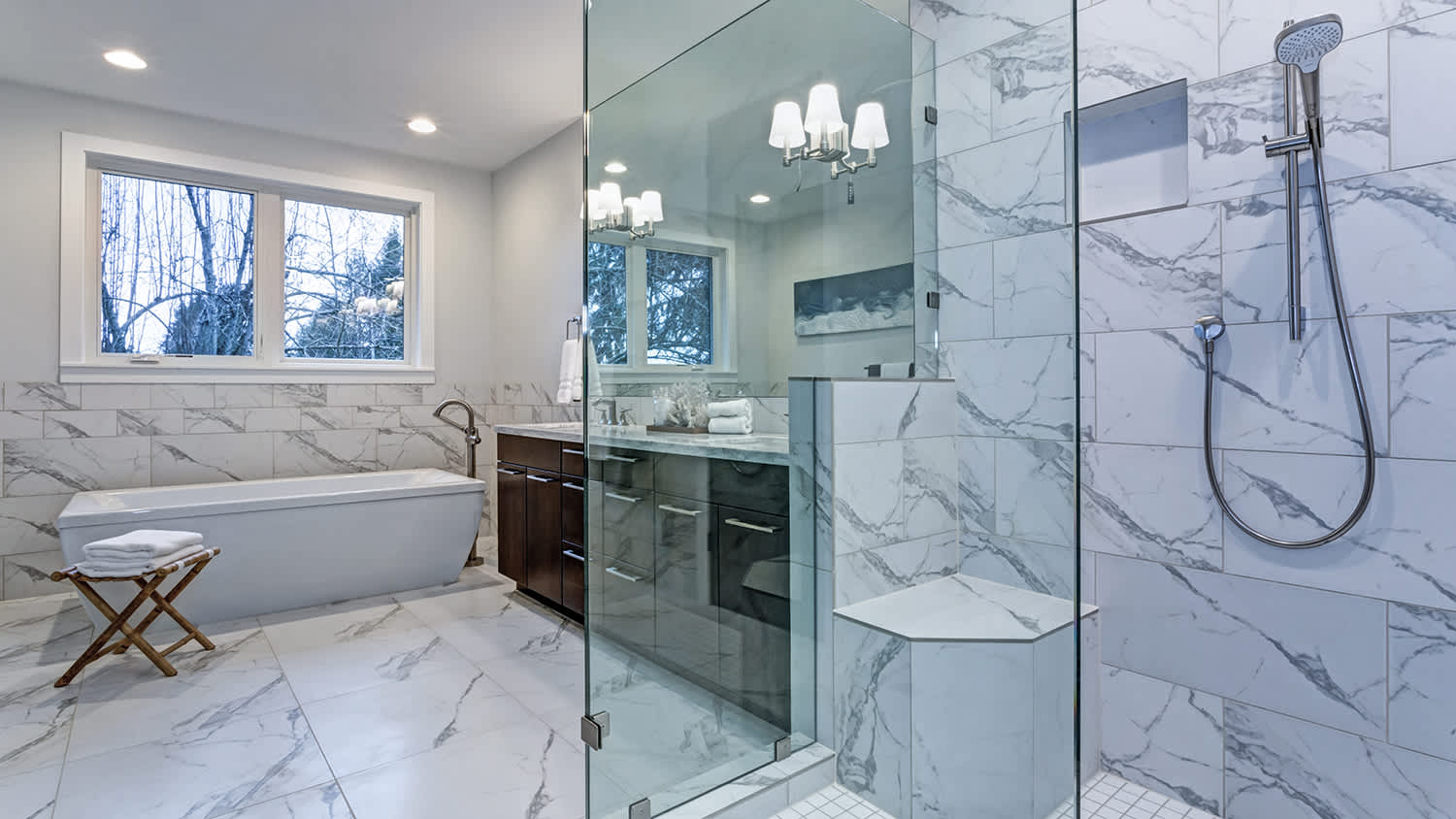
Thinking about marble restoration? Learn about polishing options, average costs to expect, and how to hire the right local pro to renew your stone surfaces.