



Top-rated deck staining pros.

Get matched with top deck staining pros in Jefferson, SD

Enter your zip and get matched with up to 5 pros

Need a pro for your deck staining project in Jefferson, SD?

Select your specific project to find the pro for you.

TRUSTED BY JEFFERSON, SD HOMEOWNERS

  • Average homeowner rating star icon4.6
    Average homeowner rating
  • Verified reviews icon10
    Verified deck staining services reviews

Find Deck staining pros in Jefferson

Avatar for Vision Lines Painting
Vision Lines Painting
4.1(
9
)
Exterior Home or Structure - Paint or Stain: LargeExterior Home or Structure - Paint or Stain: MediumExterior Home or Structure - Paint or Stain

Serving Jefferson, SD and surrounding areas

Approved

In business since 2020

Free estimates

Credit card accepted

"Jeremy was very professional and answered all our questions about painting our house. His estimate was reasonable and we scheduled a starting time. Due to terrible weather, the start was pushed back a bit but he kept in touch with us. He did a great job, was prompt and efficient, and he also repaired a bit of wood on the back of the house that had some rotting issues. I would recommend his service and we will be hiring him again."
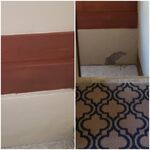
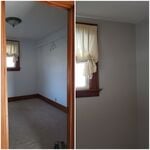
Back entry hallway
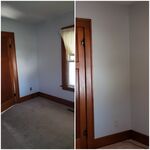
Bedroom#1
Bedroom#1
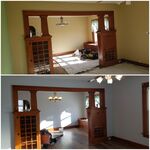
Living&Dining rôm
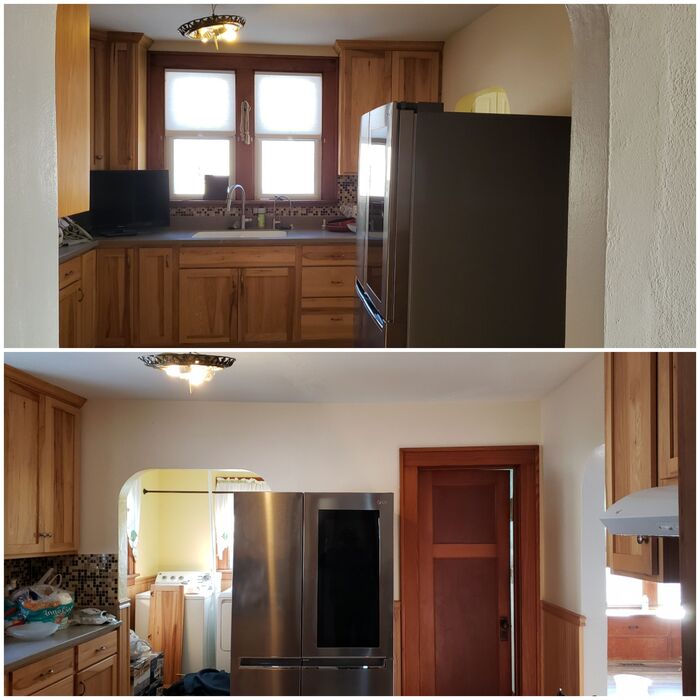
Kitchen

+15

Response time10 hrs
Response rate87%
11 neighbors recently requested a quote
Showing 1-10 of 22
Deck Staining questions, answered by experts

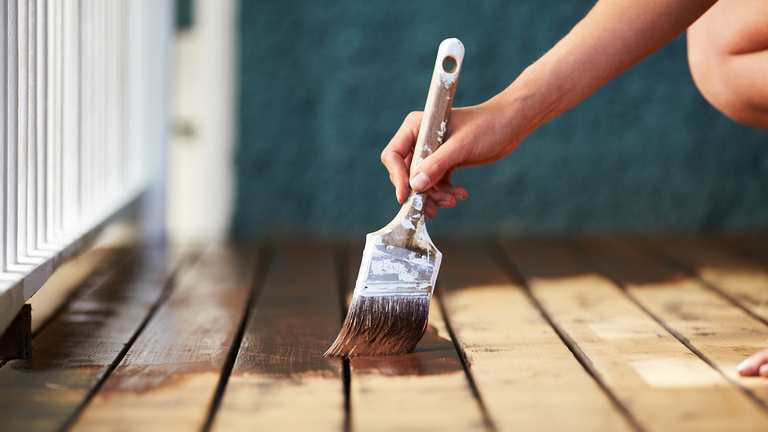
Stains penetrate wood best when it's cool and dry, so you want to avoid moisture. If the wood is wet upon application, or if it rains before the stain dries, the water will soak into the wood and displace the staining solution. This leads to a flaky and blotchy look, which is the opposite of a sumptuous even coat. Once the stain has fully cured, after about 3 days, rain shouldn’t cause you any problems.
Painted decks typically require a new coat about once every ten years. In between new coats, it's best to maintain your deck by regularly removing debris, washing it down with non-abrasive cleaners, and staying ahead of structural issues, such as loose boards and rotting wood. In some cases, painting a small section of your deck affected by damage or the sun can lower your costs and workload.

Limewash and whitewash are two techniques used to give brick a light, matte finish, but they differ in composition, application, and permanence. The best choice depends on your aesthetic goals and the specific surface.

Composition

  • Limewash: A natural and environmentally friendly option made from limestone, water, and sometimes pigments. It is breathable and soaks into porous surfaces like brick.

  • Whitewash: Traditionally made from lime, water, chalk, and binders, but a similar look can be achieved with watered-down white paint. It is paint-based and sits on top of the surface.

Appearance and Finish

  • Limewash: Provides a natural, textured appearance that allows the brick's character to show through. It offers a more traditional finish.

  • Whitewash: Creates a softer, more opaque finish, often used for a rustic or shabby-chic style.

Application and Permanence

  • Limewash: Is semi-permanent and can be removed, making it a good choice if you might want to change the look in the future. It requires more skill to apply and cannot be used on previously painted brick.

  • Whitewash: Is a more permanent solution. It is more forgiving to apply and can be used on painted brick. However, because it sits on the surface, it can trap moisture.

Ultimately, if you want a breathable, natural, and reversible finish for unpainted brick, limewash is a great option. If you need a more permanent, opaque coating that can be applied over painted surfaces, whitewash is the better choice. Whitewashing may also be more economical, costing approximately $1.40 to $4.20 per square foot.

The opposite is actually true: Wood stains tend to appear lighter when they’re fully dry. However, stains may darken as they weather and oxidize with age. Stains might also darken on surfaces left in direct sunlight, as UV rays can break down pigment particles and cause them to darken over time.

Staining pressure-treated wood is a recommended practice. While inherently resilient, it's not impervious to moisture and UV exposure. Staining treated wood is feasible and recommended for enhanced protection and longevity. Applying stain and sealant safeguards against degradation, prolonging its life span. These measures shield the wood from environmental threats while augmenting its aesthetic appeal, ensuring your investment endures the test of time.

The Jefferson, SD homeowners’ guide to deck staining services

From average costs to expert advice, get all the answers you need to get your job done.