MWF Construction has been Serving the Area for over 20 years with affordable rates and an excellent attention to detail. References are available and we pride ourselves on working around your schedule and respecting your privacy and property. We thank you in advance for allowing us to give your home or business the attention it deserves.\n\n
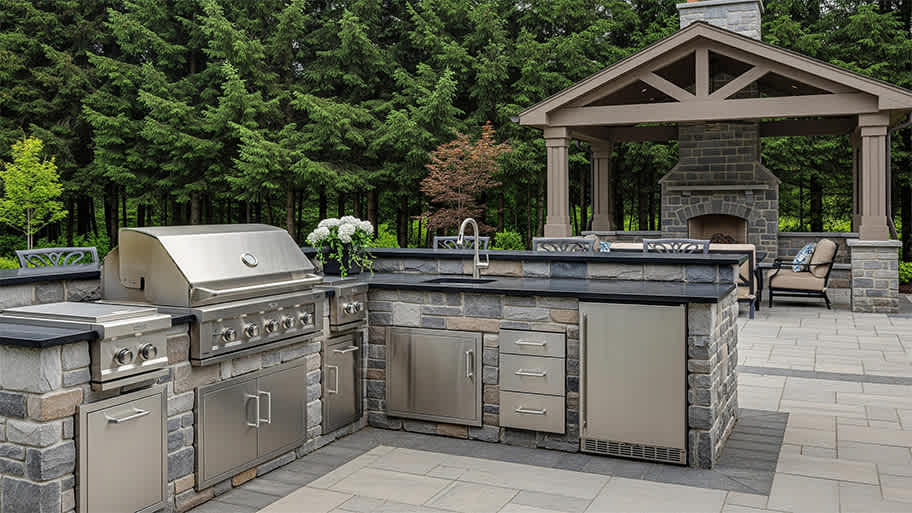
The difference between a built-in and regular grill is installation and design. A built-in grill is integrated into an outdoor kitchen or structure, often within a countertop or island. It is a permanent fixture. A regular grill is standalone, portable, or cart-mounted, allowing mobility and versatility in placement. Built-in grills are typically larger with more cooking space, while regular grills come in various sizes. Built-in grills are favored for creating a custom outdoor cooking area, while regular grills provide convenience and flexibility.
A few materials are most commonly used when it comes to building a frame for an outdoor kitchen: wood, steel, and concrete or brick. While there’s no best option overall, each material is better suited to different needs. Concrete and brick are typically more customizable than other options, but aren’t as resistant to inclement weather as steel. Wood is the most affordable pick, but it is more susceptible to rot, mildew, and heat than the others.
No. Placing a built-in grill against the house is discouraged due to safety concerns. Building codes and regulations often require a minimum distance (typically 10 feet or more) between a gas grill and any combustible structure, including a house. Placing a grill too close poses a fire hazard and risks damage to the siding or structure, potentially leading to carbon monoxide buildup. It's essential to consult local building codes, follow manufacturer guidelines, and prioritize safety by positioning the grill at a safe distance, ideally in a well-ventilated outdoor kitchen or designated grill area.
Pallet wood can withstand all kinds of outdoor weather conditions, which is part of why pallet fences are so appealing to DIY-ers. You can weatherproof the wood further before you paint or stain it, as well. Pallet fences are low-cost, easy to install, and can withstand sun and rain exposure without rotting.
You can build an outdoor kitchen on a deck, but you should choose composite decking since it's more heat-resistant. Metal deck materials like steel and aluminum are also good choices because they're less flammable than wood. You should also consider the weight of the kitchen—make sure your deck can support it and any appliances you plan to use. You should consult a structural engineer to confirm exactly how much weight your deck can safely support when building an outdoor kitchen.
The Ipswich, SD homeowners’ guide to outdoor kitchen services
From average costs to expert advice, get all the answers you need to get your job done.
Discover the cost to build an outdoor kitchen, including average prices, cost factors, and tips to help you plan your project and maximize your investment.
Considering an outdoor kitchen? If you enjoy entertaining loved ones or prefer your meals alfresco, here's how to evaluate if an outdoor kitchen may add value to your home.
The best outdoor kitchen design ideas are ones that suit your needs. Check out these layouts and design concepts to help you assemble your perfect outdoor kitchen.
Dreaming of an outdoor kitchen? Get layout ideas for everything from a simple, low-budget DIY outdoor kitchen to a state-of-the-art, chef-worthy space.
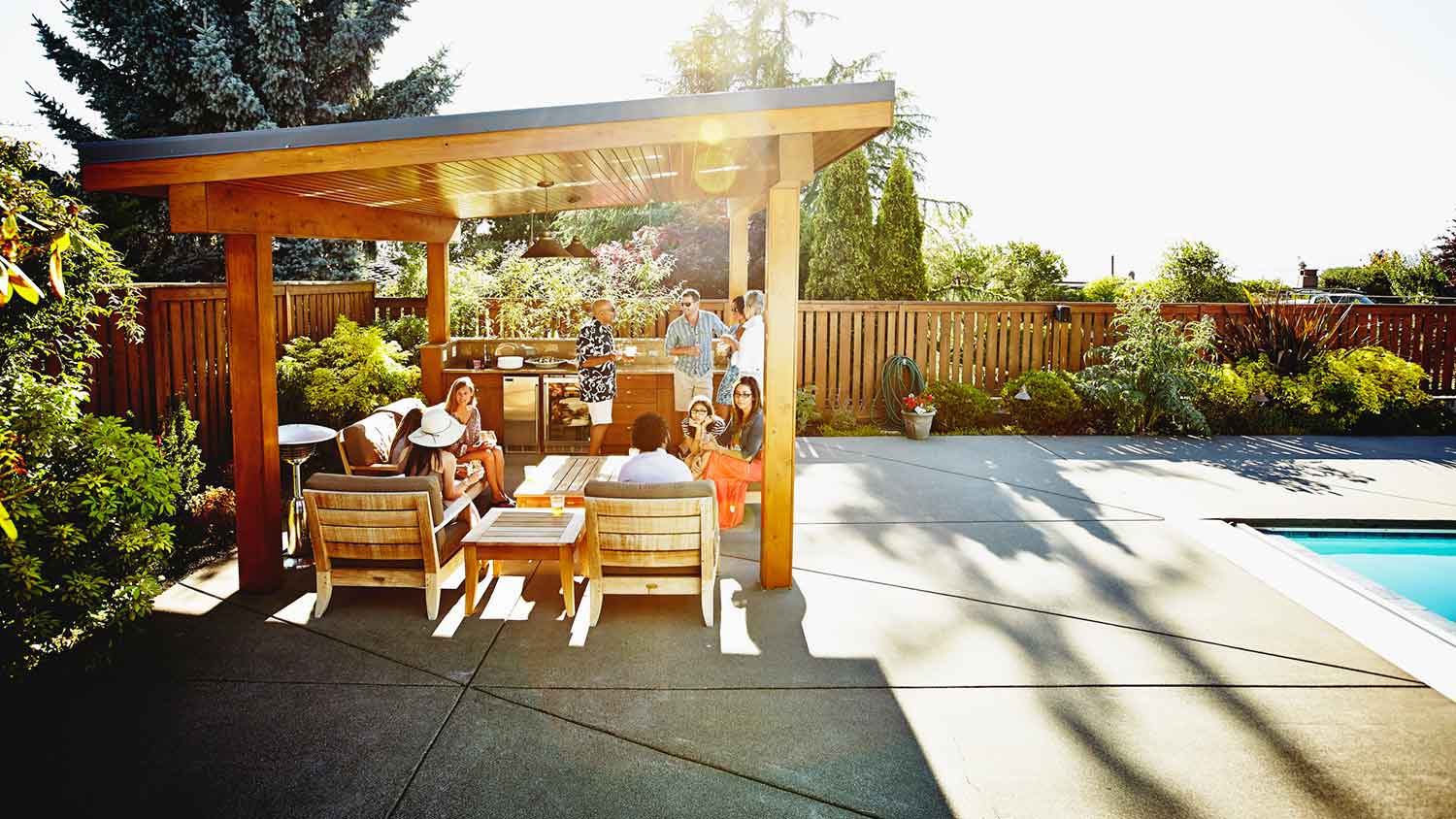
A covered space is ideal for grilling comfortably without worrying about rain or heat. Use our list of outdoor kitchen gazebo ideas to inspire your next project.