"I only use James when I need some work done to my house. He responds fast, gets the work done quicker than just about anyone else I've ever used and seems very concerned with leaving his customers happy."
Spring and fall are the best seasons to apply wallpaper because excessively hot or cold temperatures can cause issues with the paste used to attach the paper to the wall. A professional wallpaper hanger can help you decide if your home is too hot, cold, humid, or dry for the wallpaper to stick properly.
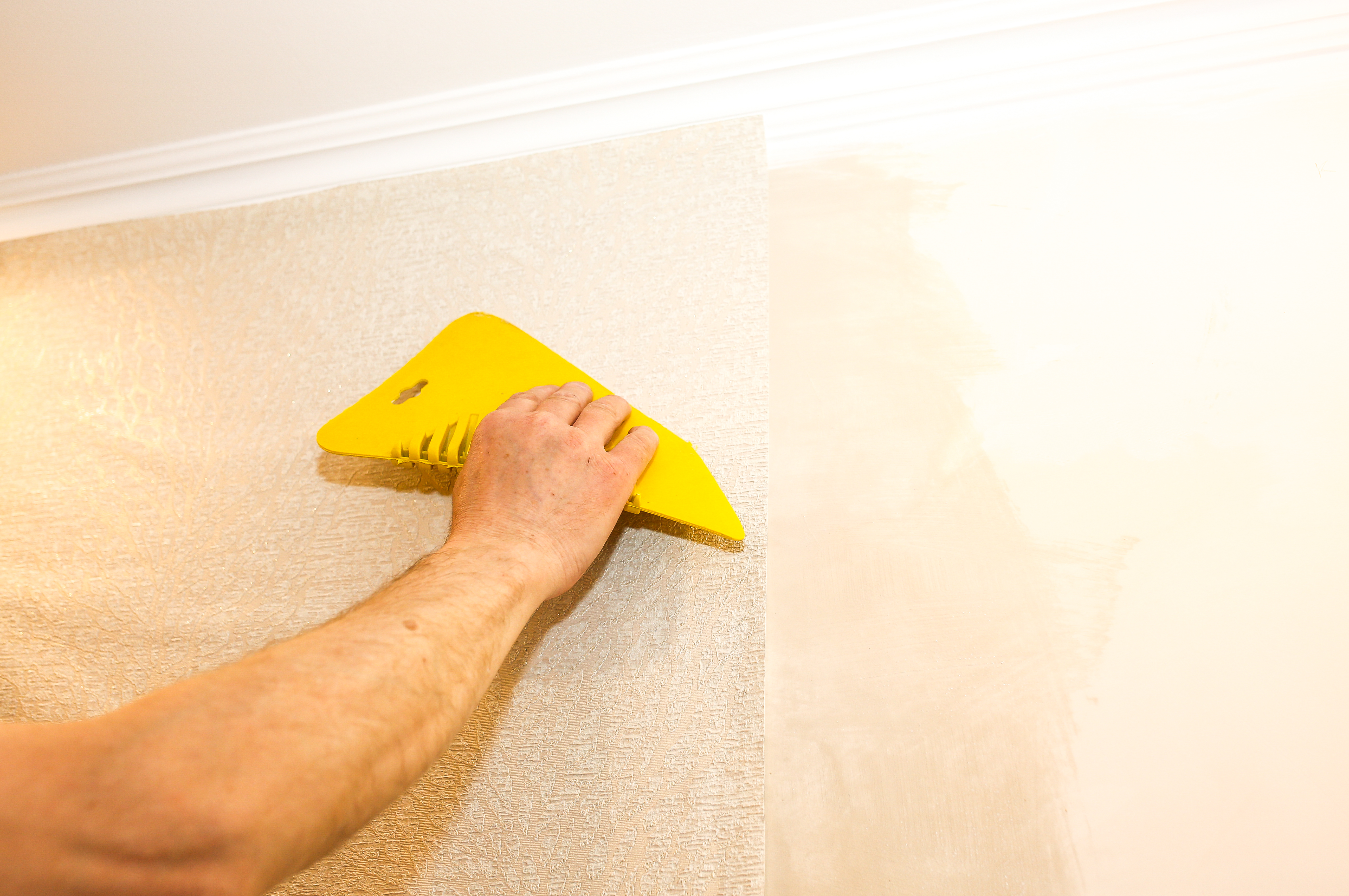
It’s possible to hang your own wallpaper, but the process is tedious and potentially frustrating, and it can be challenging to get seams to line up and look clean and professional. Plus, depending on the type of wallpaper you’re installing, using too much or too little adhesive could cause damage to your drywall or plaster, peeling, and bubbling in the final product. It’s usually a better idea to hire a professional wallpaper installer to do the work for you, as the relatively low cost is justifiable, if only to avoid damage to your walls.
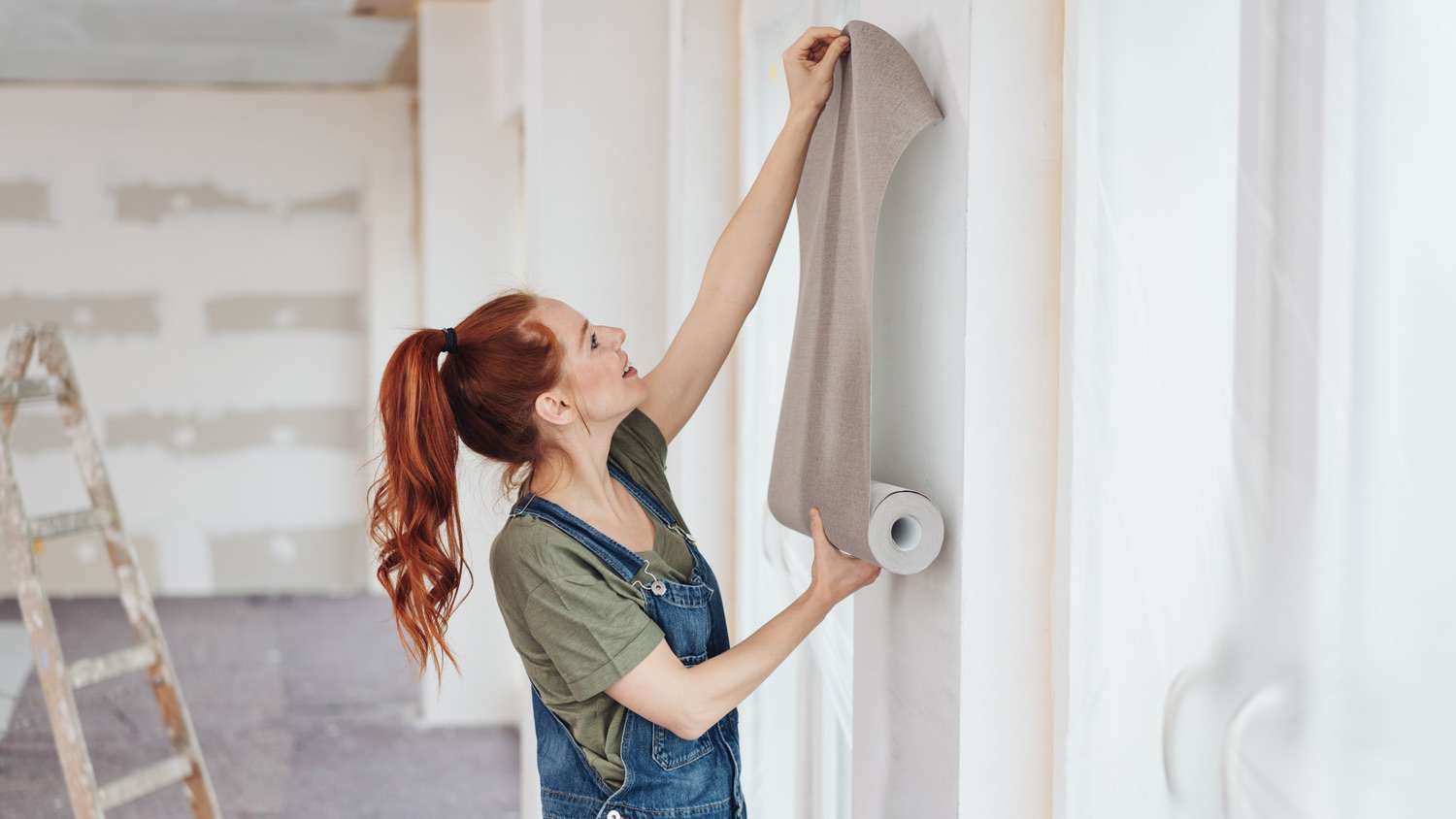
Yes, peel-and-stick wallpaper is available that’s made from vinyl—it actually is the most common material used in peel-and-stick wallpaper. Learning how to install vinyl wallpaper is far easier when you’re using a peel-and-stick design than with adhesive. You could also select peel-and-stick wallpaper that consists of paper, polyester, or natural fibers.
Yes, many installation and painting services include wall preparation, such as patching holes, smoothing surfaces, sanding, and priming. It is recommended to confirm the specific preparations included with your provider.
It is less costly to paint than wallpaper when you only consider the upfront cost. Wallpaper costs $320 to $820 when applied by a pro, while paint only costs $200 to $700 per room. However, when comparing wallpaper versus paint, consider the long-term as well. Wallpaper can save you money over time since it has a much longer life span than paint.
The Howes, SD homeowners’ guide to wallpaper services
From average costs to expert advice, get all the answers you need to get your job done.
Discover wallpaper installation cost. Learn about material, labor, and project factors to estimate your budget and make informed choices for your home.
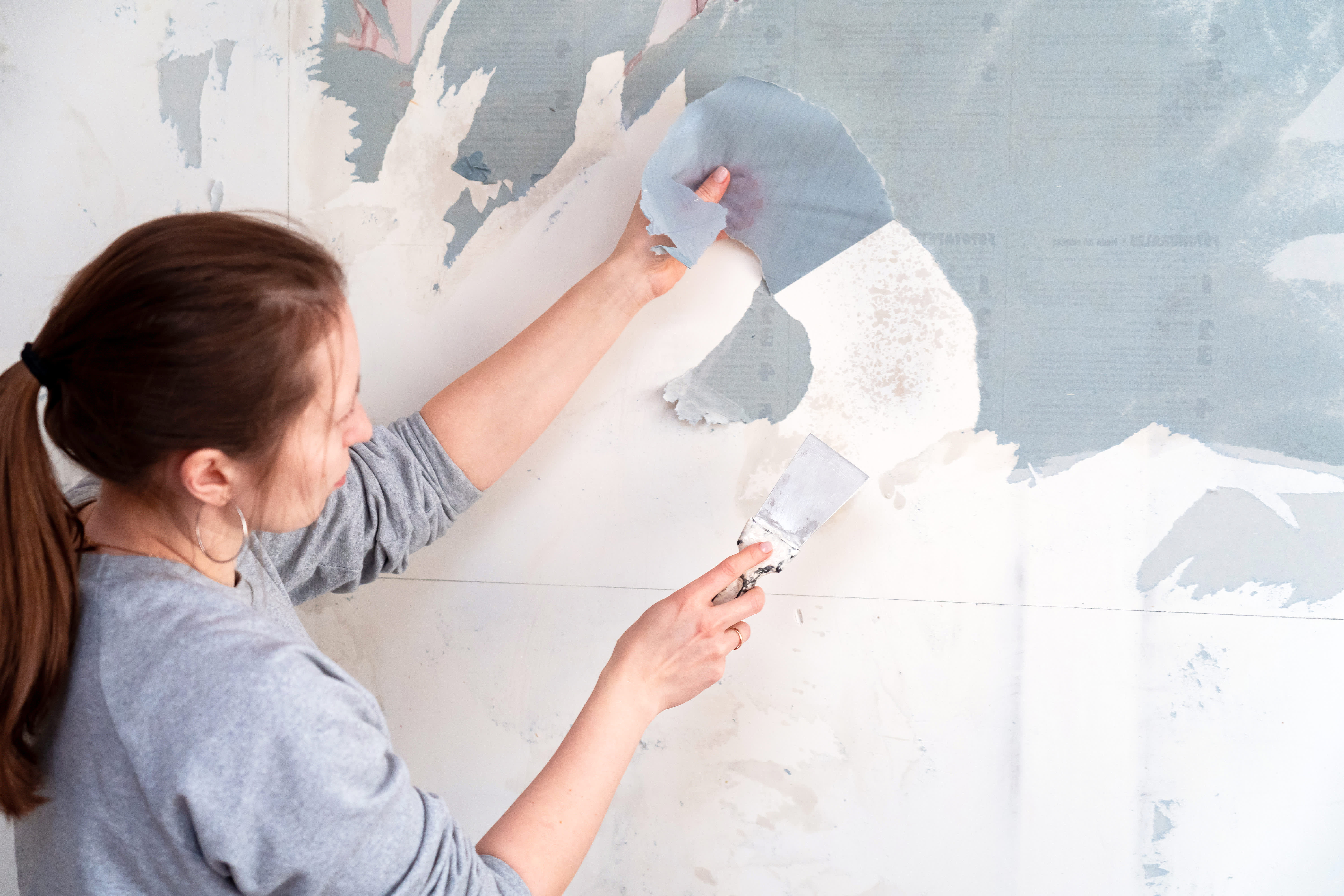
Wallpaper removal requires physical labor and can be a sticky mess. Consider these tips on the best ways to remove wallpaper to make the process as smooth as possible.
Is washable wallpaper suitable for bathrooms? Yes, but this only applies to certain types of wallpaper in specific situations. Here’s what you need to know.
Taking down wallpaper is a tedious and time-consuming job. Here are some tips on how to hire someone to remove wallpaper for you to make your life easier.