Asbestos has many beneficial properties, including fire resistance, strength, and chemical resistance. It is also an excellent insulator, which is why it was used in pipe insulation and other building materials for decades. For all its benefits, asbestos is dangerous for human health, which is why it was eventually banned from use in certain products.
While it's possible to cover asbestos tile with carpet, it's not recommended. Encapsulating tile beneath carpet doesn't eliminate the health risks. Over time, the asbestos tiles could degrade, releasing fibers into the air and potentially contaminating the carpet. Disturbance during carpet installation or removal might also release fibers.
When learning how to test for asbestos in a popcorn ceiling, you have an option for a DIY job or to hire a professional tester. You can purchase a kit at a hardware store and use personal protective equipment while doing the test. If you don’t want to risk any potential exposure to asbestos, hire a professional asbestos testing company instead.
Asbestos is a carcinogen, meaning it increases the risk of cancer. Inhaling asbestos fibers is linked to several respiratory issues, including asbestosis, or scarring on the lungs, lung cancer, and mesothelioma, another type of cancer. There's also a link between asbestos exposure and an increased risk of colon cancer and other cancers of the digestive system.
Usually, the people most at risk for disease related to asbestos exposure are those who spend a lot of time working around the material without protection. Electricians who work with asbestos wire have a higher risk of developing mesothelioma or lung cancer due to their exposure.
When asbestos fibers become airborne, they enter a person's respiratory system. These fibers scar and damage the lungs and often lead to serious cancers like mesothelioma. Like many dangers in the house, asbestos isn’t easy to see when it could be causing serious damage. The amount of time exposed, combined with the person’s tolerance for asbestos inhalation and the amount inhaled, will all contribute to health problems.
The Hoven, SD homeowners’ guide to percolation testing services
From average costs to expert advice, get all the answers you need to get your job done.
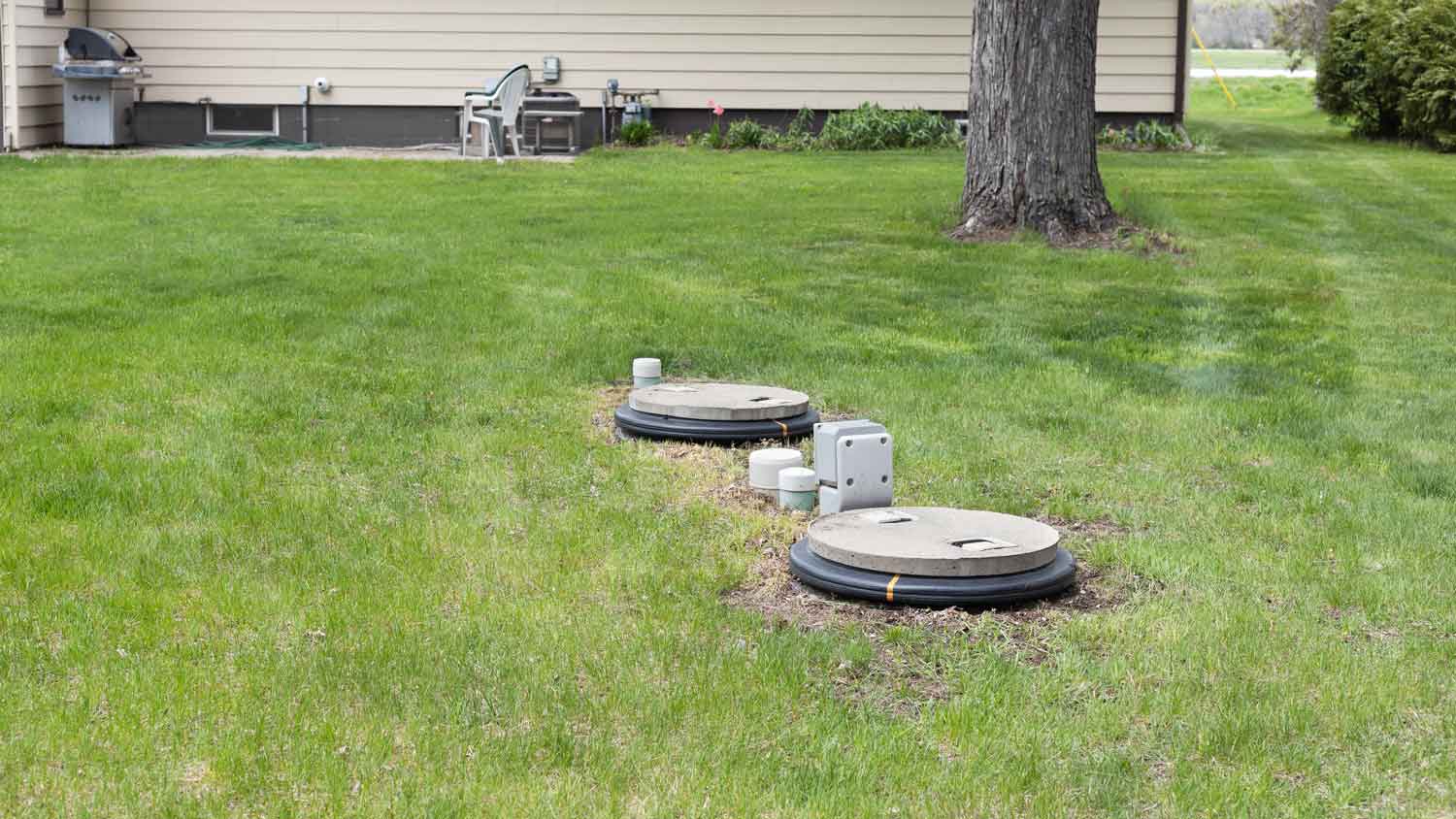
Most building projects and septic installations require soil testing to ensure proper drainage. Learn how much a perc test costs and what affects costs.
A perc test for septic analyzes the absorption rate of the soil where a tank is going to be installed. Learn more about the test, cost, and passing grades.