"The technician emptied the freezer, which was in the basement, to work on the part that needed repair. Then he neglected to put anything back into the freezer, including a turkey I had bought for Christmas and a rack of ribs. Two days after he left, I went out of town for two weeks. The turkey actually exploded and spewed its liquid all over everything, which had to be discarded. I let AHS know and they couldn't even bother to call me or follow up on this. I'm considering not renewing my contract with them because of the quality (or lack thereof) of many of the providers they send."
With over 10 years of experience the Electrical and Plumbing , we are the experts you need to take care of your home or business. We handle everything . We will treat your home as we would treat our own. Give Kennebec Telephone Company, a call today. We look forward to working with you!
Some of the signs that could mean your water is contaminated, such as cloudiness or bubbliness, could also be non-problems that don’t affect your water’s potability. However, if your water smells or tastes strange, it’s a good idea to stop drinking it and test it immediately. If your well water is contaminated, the best way to discover that is to test it.
A properly installed and maintained septic drain field (also known as a leach field) can last up to 50 years, though the average is around 20 years. However, factors like poor soil conditions, heavy usage, or improper maintenance can significantly shorten its lifespan to 15-20 years.
To extend the life of your drain field:
Schedule Regular Inspections: Have the entire septic system, including the drain field, inspected every two to five years to catch problems early.
Protect the Area: Avoid driving heavy vehicles or placing heavy structures over the drain field. Plant only grass or other lightweight vegetation with shallow roots over the area.
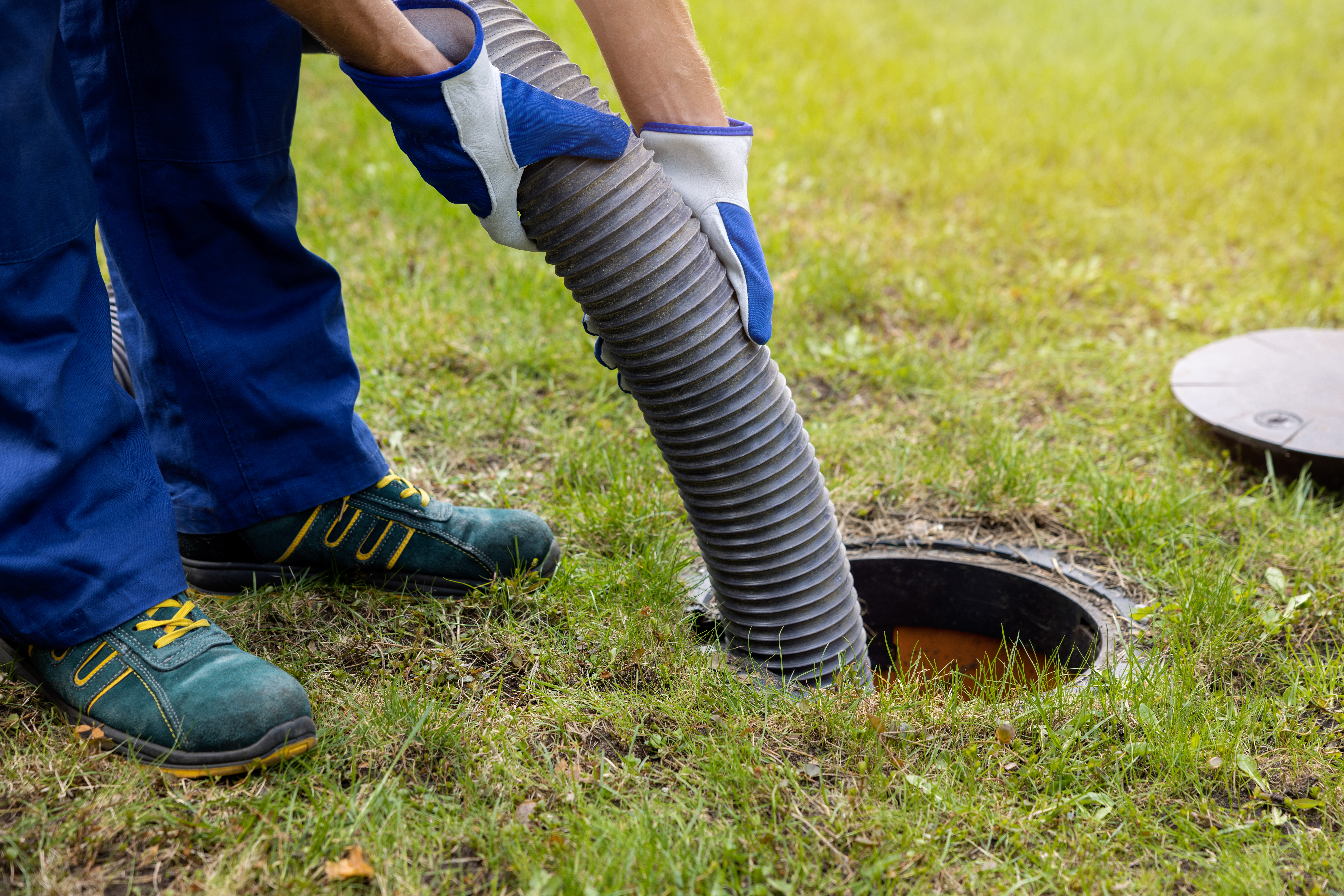
Maintain the Septic Tank: Proper care of the septic tank, including regular pumping and avoiding harmful chemicals, prevents strain on the drain field.
Be aware of signs of failure, such as strange odors, standing water, or unusually lush grass over the field, which indicate your system may need professional attention.
The easiest thing you can do to prolong the life of your septic system is to adopt septic-safe practices. This includes not flushing non-biodegradable items, chemicals, or excessive grease down drains and scheduling regular septic tank pumping to prevent buildup. It’s also important to fix plumbing leaks promptly and to practice water conservation to avoid overloading the system. To maintain your drain field, avoid heavy vehicle traffic and plant shallow-rooted vegetation in the area. Most importantly, invest in routine inspections and maintenance to detect and address issues early.
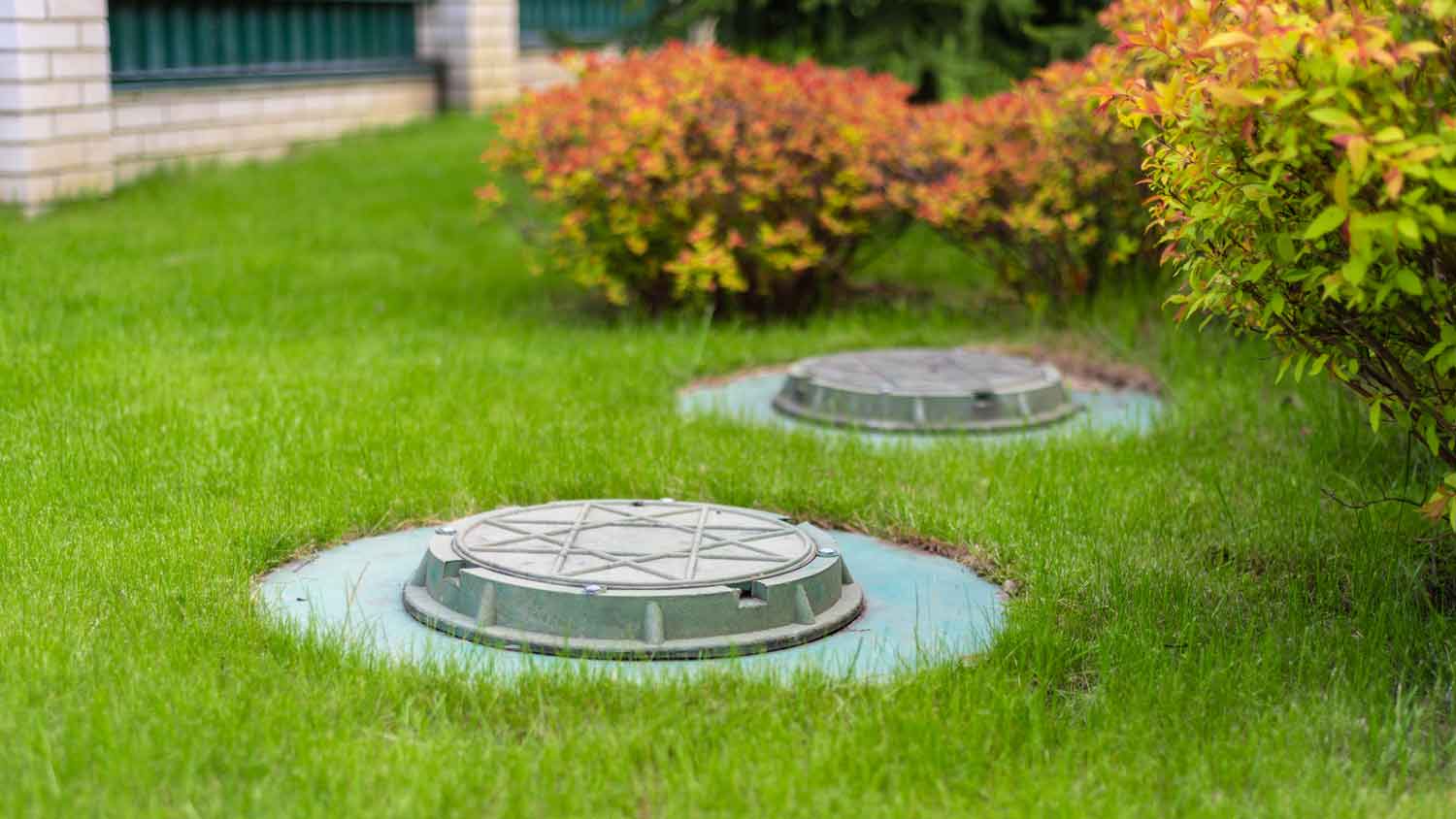
Your drain field or leach field should be 1 to 3 feet under the ground. It will be a little shallower than the septic tank, although it can be the same depth or slightly deeper. The proper depth of the septic tank is up to 4 feet. It’s possible that your local regulatory agency requires a certain depth for your drain field.
With regular testing, treatment, and maintenance, water from a community well should be safe to drink. Unfortunately, the EPA does not regulate private wells, and contamination can happen.
If you have doubts about the quality and safety of your drinking water, you have options for testing. You can pick up kits from your local home supply store or harvest samples and send them to a local testing facility. To get the most complete water quality testing and system diagnosis, seek a local well professional. They know what to test for and can recommend and implement a longer-lasting solution.
The Highmore, SD homeowners’ guide to septic tank services
From average costs to expert advice, get all the answers you need to get your job done.
It’s crucial to install a septic tank with the right volume to avoid wastewater backups. This guide will help you calculate the right septic tank volume.
Septic tank sizes vary depending on the size of your home, how many people live there, how much water you use, and more. Read on to learn how to determine the right size for you.