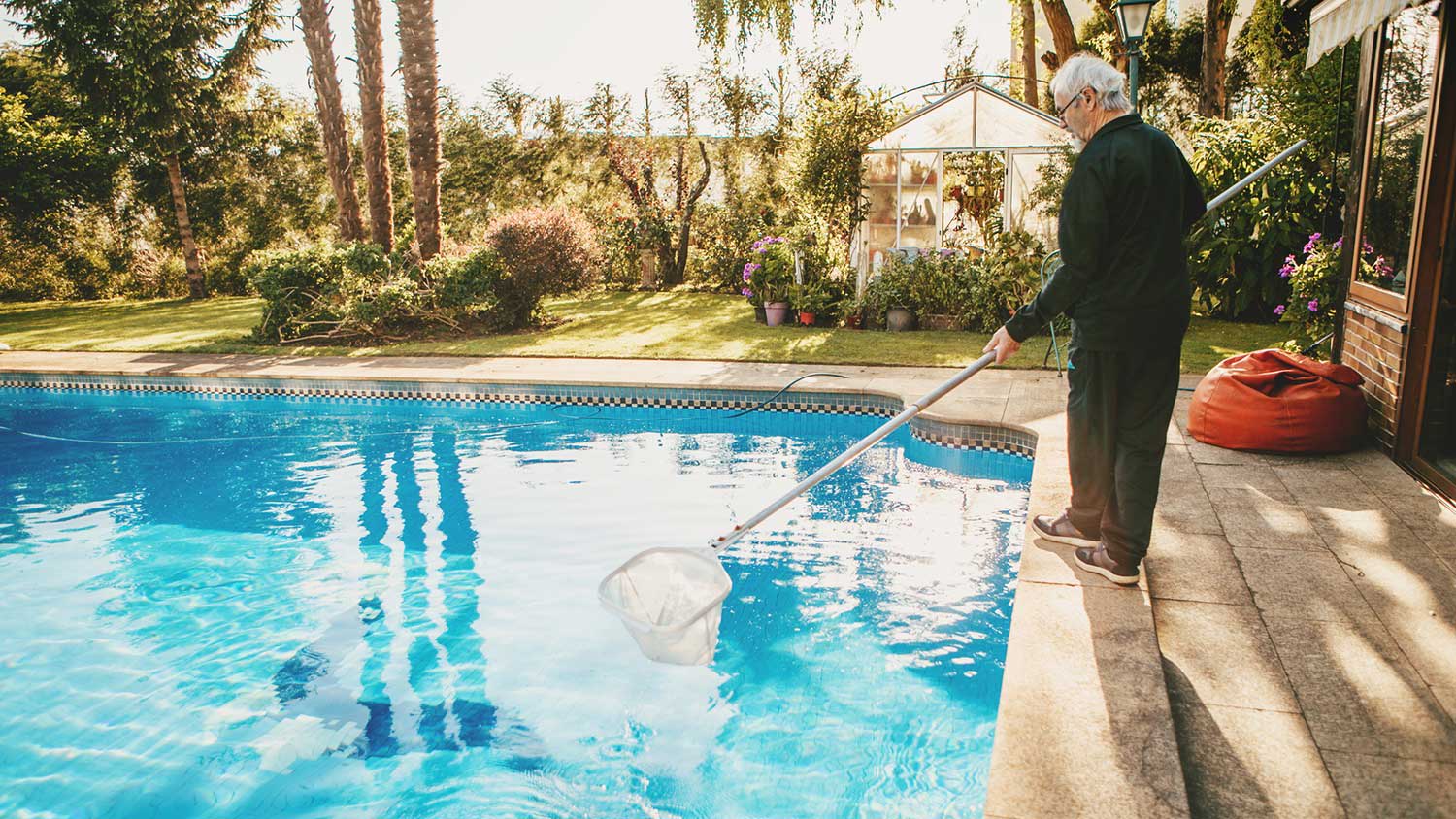
"Chris was very knowledgeable about the opening of my pool as well as balancing my hot tub. He explained everything in detail so I understood what he was doing. He was friendly and professional and I would highly recommend him for your pool and hot tub needs."
"Well, the first time the replacement was ordered it was the wrong one, which of course, delayed the installation a week. When it was finally installed I had to pay an additional $850 for code upgrades. This I was not informed of by Home Shield. Then we noticed that there was water on the garage floor and found that the pipe coming in from the wall was leaking at the wall so had to call the plumbing company back out to fix it. They first tried to say it was not their fault but since there wasn't a leak before they installed they did fix it. I have used Home Shield a few times before and never had a problem. Some of the companies they use are not the best so you have to research them before you commit. I have found HS service to be good if you do your homework. At the end of the day I was without hot water for almost 3 weeks but it was do to the plumbing company they sent out."
We take great pride in our experience, expertise, quality, and customer service that we provide to meet the consumer's needs. It is our mission to provide excellent workmanship and complete customer satisfaction, from the start to the completion of a project. In order to understand the needs and expectations of our customers, we take great care to work and communicate with every customer in a professional manner. Our reputation is based on service, safety, and quality, regardless of how large or small the job.
Pool and Spa Servicing questions, answered by experts
When your hot tub is not in use, you can keep it at a constant soaking temperature of around 100 degrees Fahrenheit. For extended periods of non-use, you can lower the temperature by about five degrees. This slight decrease makes it easier and quicker to heat back up to a desirable level when you're ready to use it again. Additionally, you might consider lowering the temperature by a couple of degrees during the summer to avoid feeling overheated.
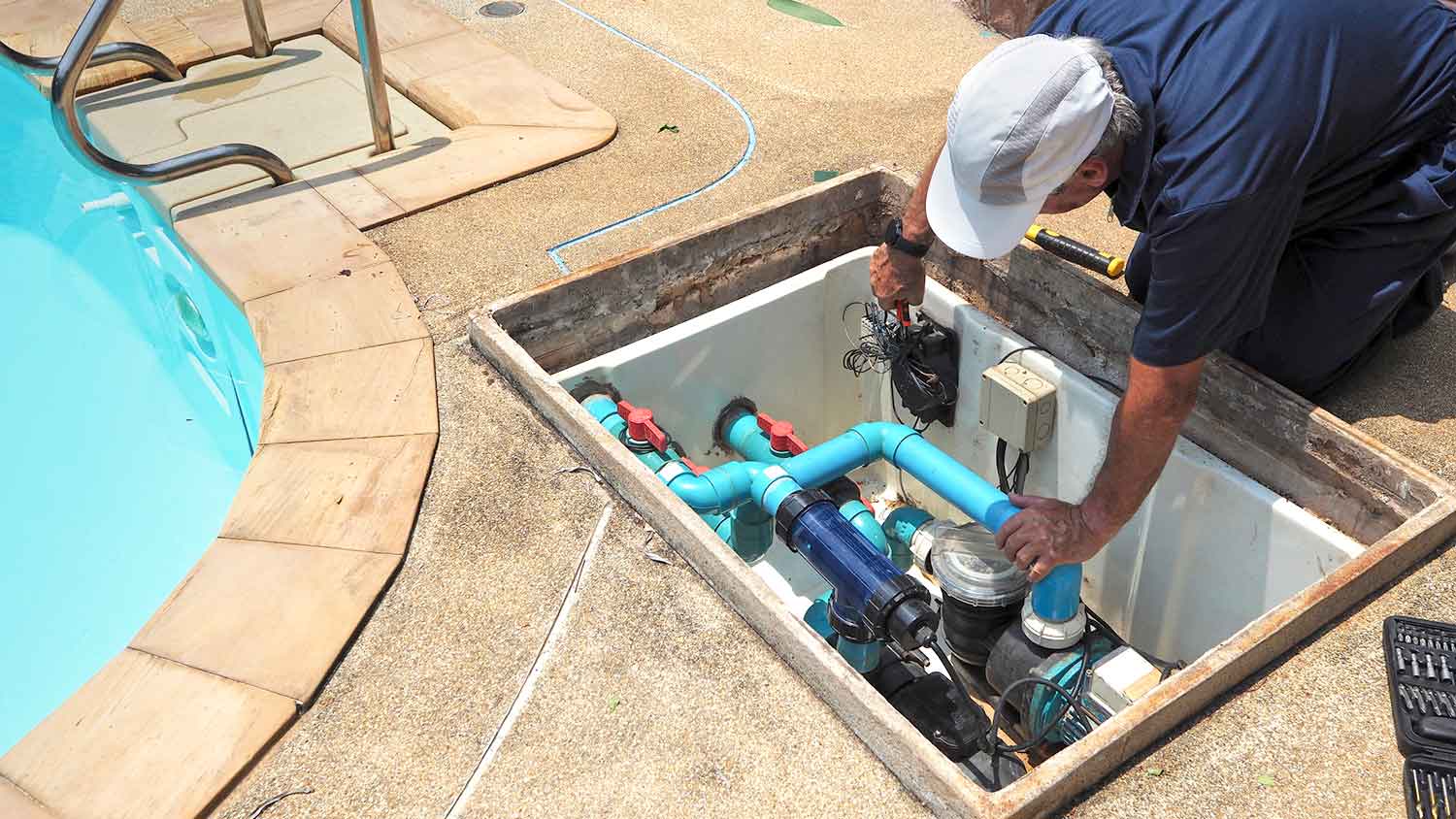
You should have your spa or hot tub inspected and serviced yearly to prevent more costly repairs. Regular hot tub maintenance can save money and help keep you safe from hazards such as faulty wiring. Call a professional hot tub repair specialist, who will know what common issues to look for and have the parts and tools on hand to fix them immediately.
Algae-related green hot tub water is generally safe to use, as algae aren't usually harmful to your health. However, if the conditions in the hot tub are hospitable to algae growth, they may also be hospitable to the growth of other types of microorganisms, including Pseudomonas aeruginosa, bacteria that can cause hot tub rash, or Legionella bacteria, which can cause respiratory illness.
Most hot tub cracks can be repaired unless they have gone beneath the acrylic. If so, you may need a professional to determine if the crack is repairable or if you should consider hot tub replacement instead.
Hot tubs don’t necessarily add value to a home—but they don’t take it away either. It depends on the potential buyer. A well-landscaped in-ground hot tub is attractive to buyers who prioritize relaxation and fun. Others would rather not deal with the maintenance.
The Gregory, SD homeowners’ guide to pool and spa services
From average costs to expert advice, get all the answers you need to get your job done.
Discover how much pool maintenance costs, including average prices, cost factors, and expert tips to help you budget and keep your pool sparkling all season.
What’s the difference between a swim spa vs pool? Both can be great additions to your property; here’s how to decide which one makes the most sense for you.
If you live in an area without very cold winters but tempted to close your pool during the cooler months, read on. We dive into the many benefits of winter service.