"The furnace took 4 days to get approved( not counting a Sunday) the others were quick but the water heater had to be ordered so without hot water for a week. One ceiling fan was easy but within a year their policy changed and They would not install the one I purchased and had to get a new one approved and then ordered online and took several weeks to get straightened out. Not sure who was at fault, AHS, installer or scheduling with renter. Fee is usually $75 per visit"
We offer over 35 years of experience in the electrical industry. We take on a wide range of electrical projects, to include, full installation for additions and remodels, as well as, generator installs, wiring and panel upgrades, and a variety of other jobs. We take pride in our quality of work and our commitment to outstanding results. We are committed to providing a personalized service for each individual project we take on. We look forward to building strong, long-term relationships with our clients and guarantee your satisfaction. No job is too small. We will help you find your short!
Generally, a ceiling fan should be mounted at least seven feet from the floor in the center of your room with a wall clearance of around 18 inches. If your ceiling is more than eight feet high, it’s recommended by experts that the ceiling fan be mounted around eight to nine feet from the ground. This helps ensure a better quality of circulated airflow.
Keeping dust off fans can keep them working optimally and help keep dust mites or bacteria from building up. Dust fans weekly with a duster, microfiber cloth, old pillowcase, or vacuum attachment. You can also try spraying a clean fan with a store-bought dust-repellent product or making a DIY dust-repellent with water and a small amount of liquid fabric softener mixed in.
The direction your ceiling fan spins helps create comfortable airflow in your home and can also help cut down on energy costs.
During summer, your ceiling fan should spin counterclockwise. This will push cooler air downward in a column and help lower your room’s air temperature. In the winter, set your ceiling fan to spin clockwise and at the lowest speed setting. This will pull cool air upwards, displacing the warm air that pools towards the top of your ceiling and bringing it down towards the floor.
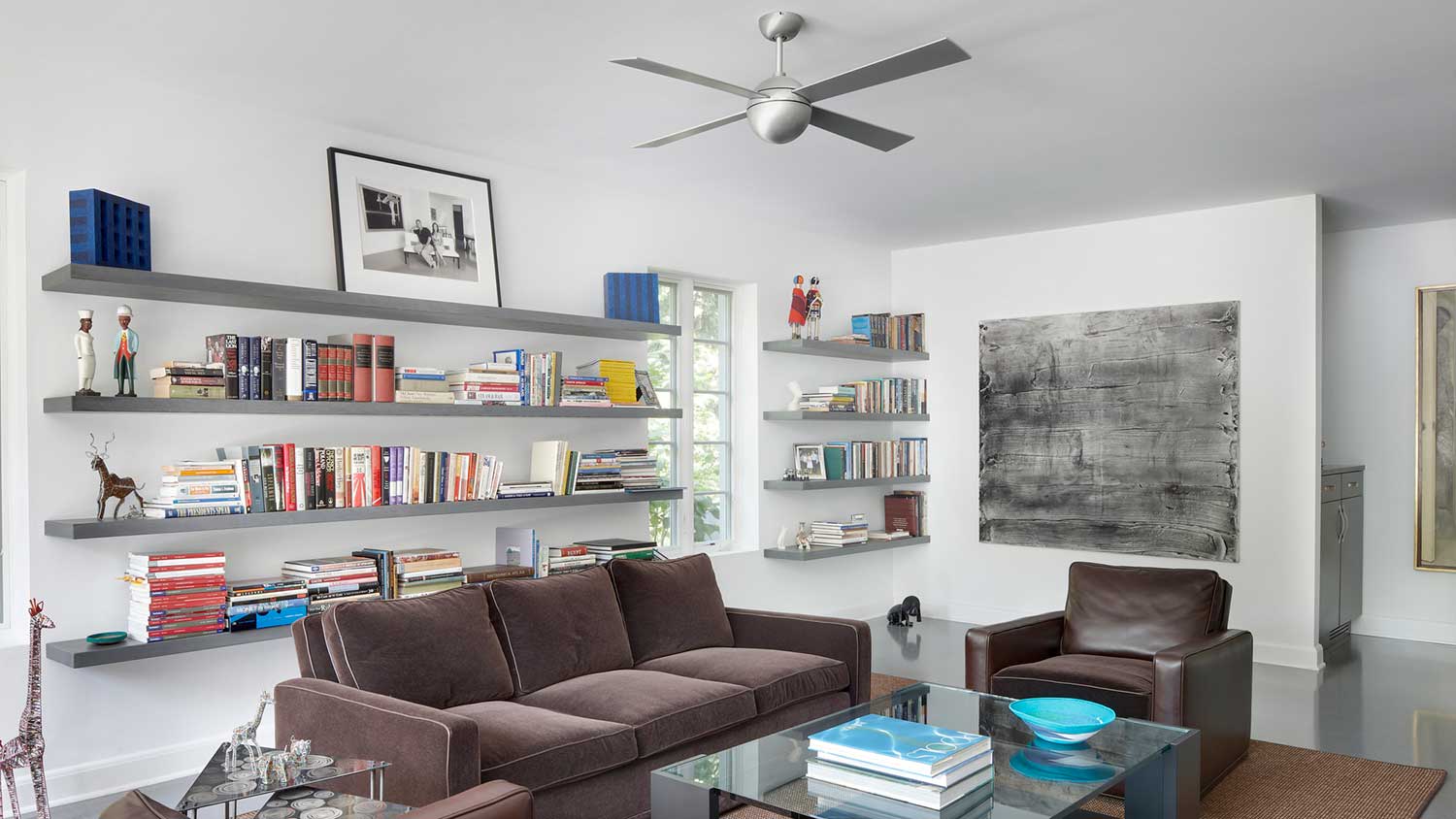
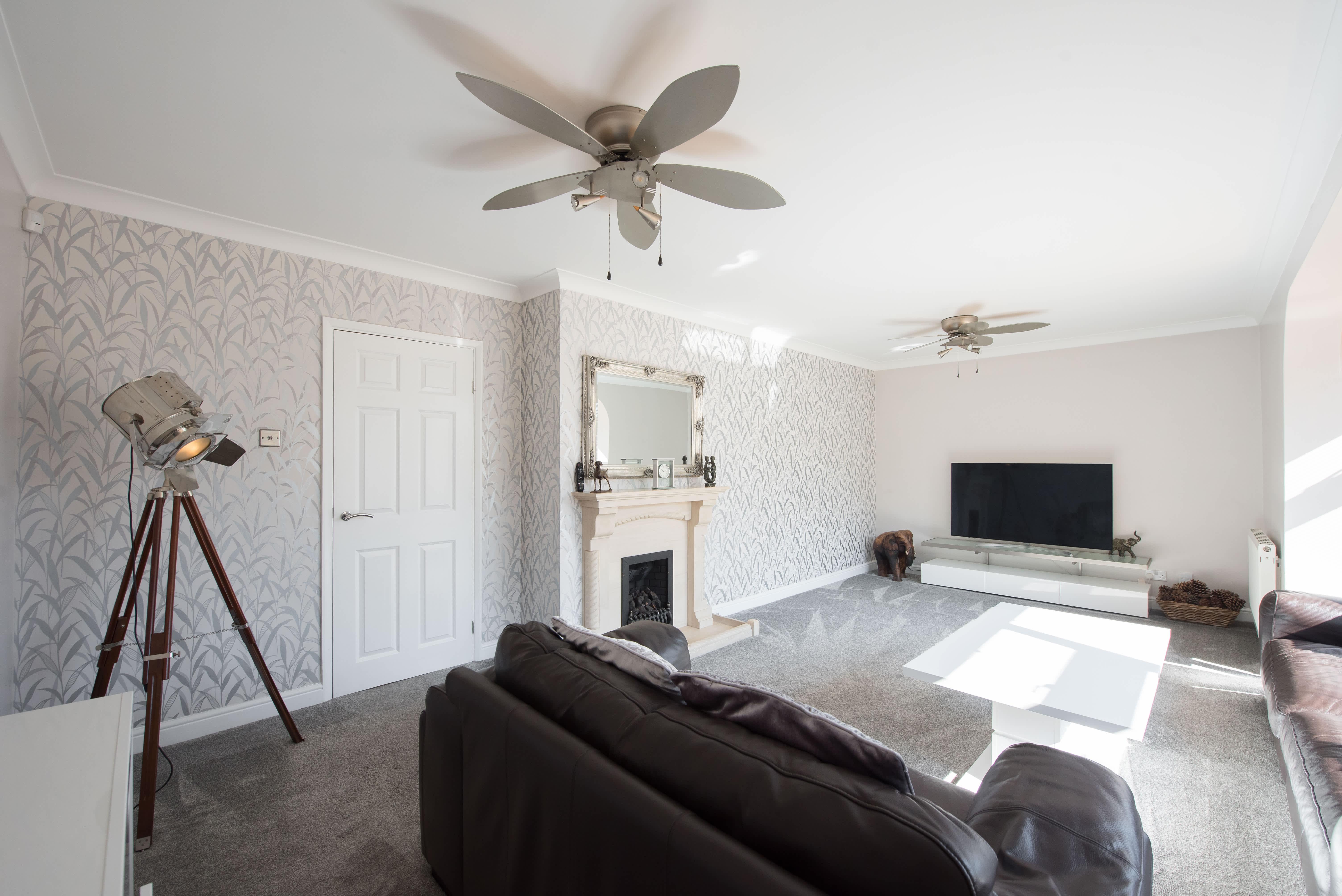
There are many types of ceiling fans, from self-automated smart ceiling fans to outdoor ceiling fans that provide additional comfort to your patio. What you choose all comes down to function and personal taste.
Consider your ceiling height when selecting a ceiling fan. Rooms with ceilings under eight feet high will do well with low-profile ceiling fans, also known as flush-mount or hugger ceiling fans. If your home has cathedral ceilings or ceilings between 10 and 25 feet high, you’ll need a large ceiling fan with a heavy-duty motor to get adequate air circulation.
Ceiling fans offer multiple benefits for your home. They improve air circulation to prevent stagnant environments and provide cost-effective temperature control, which can reduce reliance on your HVAC system and help lower utility bills. In addition to their functional advantages, ceiling fans can also enhance a room's aesthetic appeal with features like built-in lighting and modern styling.
The Gregory, SD homeowners’ guide to ceiling fan services
From average costs to expert advice, get all the answers you need to get your job done.
Discover the cost to install a ceiling fan, including labor, materials, and tips to save. Learn what impacts your price and how to budget for your project.
Ceiling fans cool down your home while stylishly accenting your space. With a variety of types of ceiling fan on the market to choose from, you can’t go wrong.
Although the risk is low, there are a few telltale signs that a ceiling fan will fall off your ceiling. This guide explains when to worry (and when not to).
With the right size, ceiling fans are an energy-efficient way to cool a room. Use this ceiling fan size guide to find the perfect model for your space.