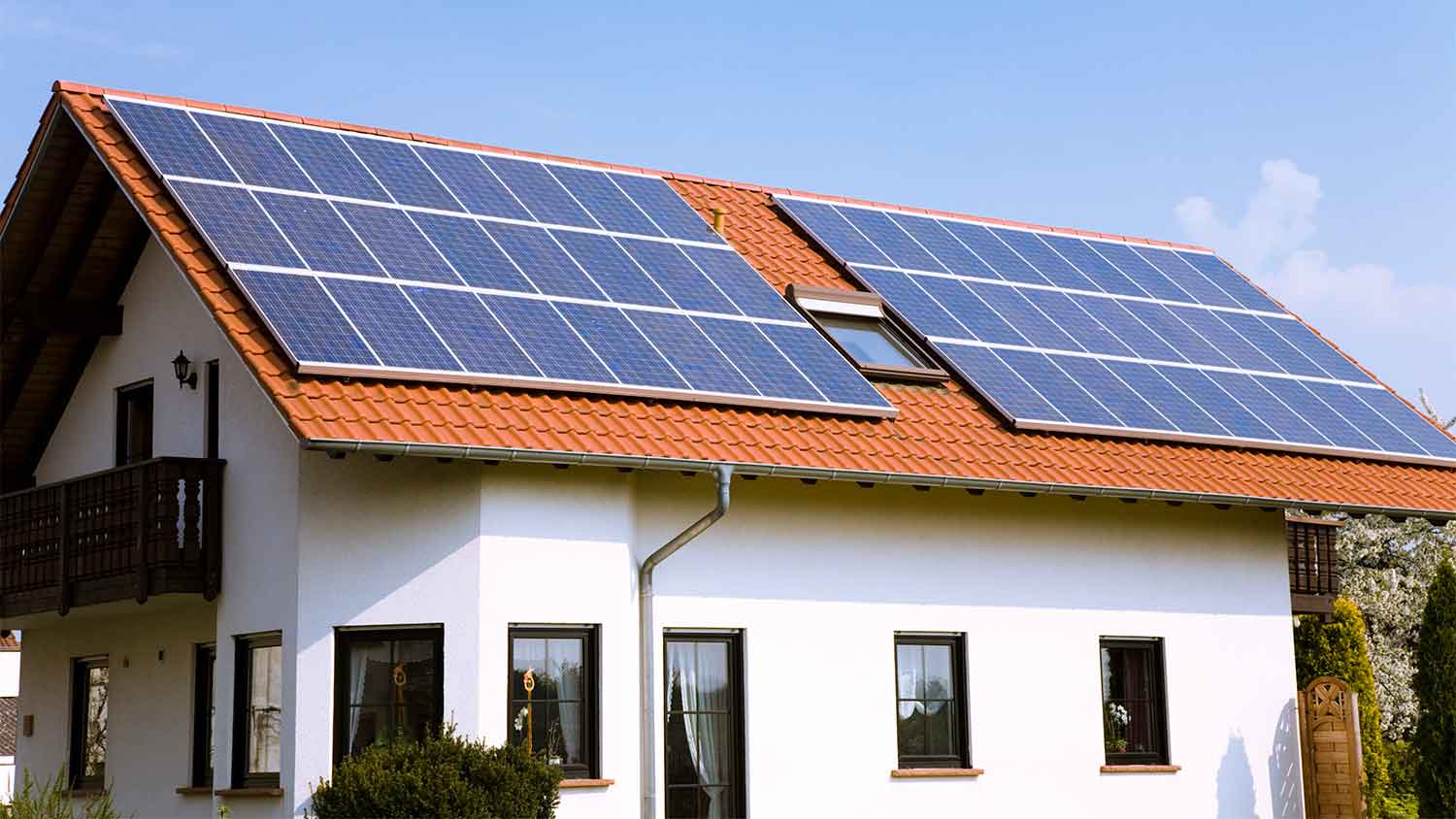
We provide residential and commercial solar power options, and provide support services for industry partner companies. We offer no cost consultations and $0 down financing. Please contact our office for a consultation at (931)922-8258.
Packages starting at just $19.99 per month. \n\nGet Dish Network offers the satellite TV & Internet bundles in the business. DISH offers HD for life, installation, Blockbuster movie rentals, HD and DVR satellite receiver upgrades and free movie channels. \n\nTake your TV to go with the DISH Sling Adapter!\n\nThe same TV you watch at home is now available on the go. All your channels, everything on your DVR - now at your fingertips. Enjoy your local news, live sports, and favorite TV shows on your computer or mobile device.\n \n$19.99 Dish smart pack is back free\n Blockbuster Home movies DVR & HD TV.
"They have been very helpful. The refrigerator we had, had a control panel that they could not replace, so they gave us options and we were able to get a new refrigerator. They have saved us a lot of money over the year. They probably saved us $5000 on an AC issue. They are very prompt at responding and have been very professional."
Global Synergy Powers is committed to excellence in every aspect of our business. We uphold a standard of integrity bound by fairness, honesty, and personal responsibility. Our distinction is the quality of service we bring to our customers. Accurate knowledge of our trade combined with ability is what makes us true professionals. Above all, we are watchful of our customers' interests, and make their concerns the basis of our business.
Removing solar panels can be straightforward, but it’s not necessarily a simple process. Your contractor needs to prevent damage—not only to your panels but also to your roof and electrical system. Many systems are wired into the main electrical grid, and you’ll need to hire a licensed electrician to disconnect it.
Professionals use the same methods to install solar shingles that they do for asphalt shingles, so you’ll often see a similar installation timeline of one to two days. The amount of time required will depend on the size and slope of your roof and the number of shingles installed. Weather conditions can delay installation, as working on a roof is unsafe during high winds or heavy rain.
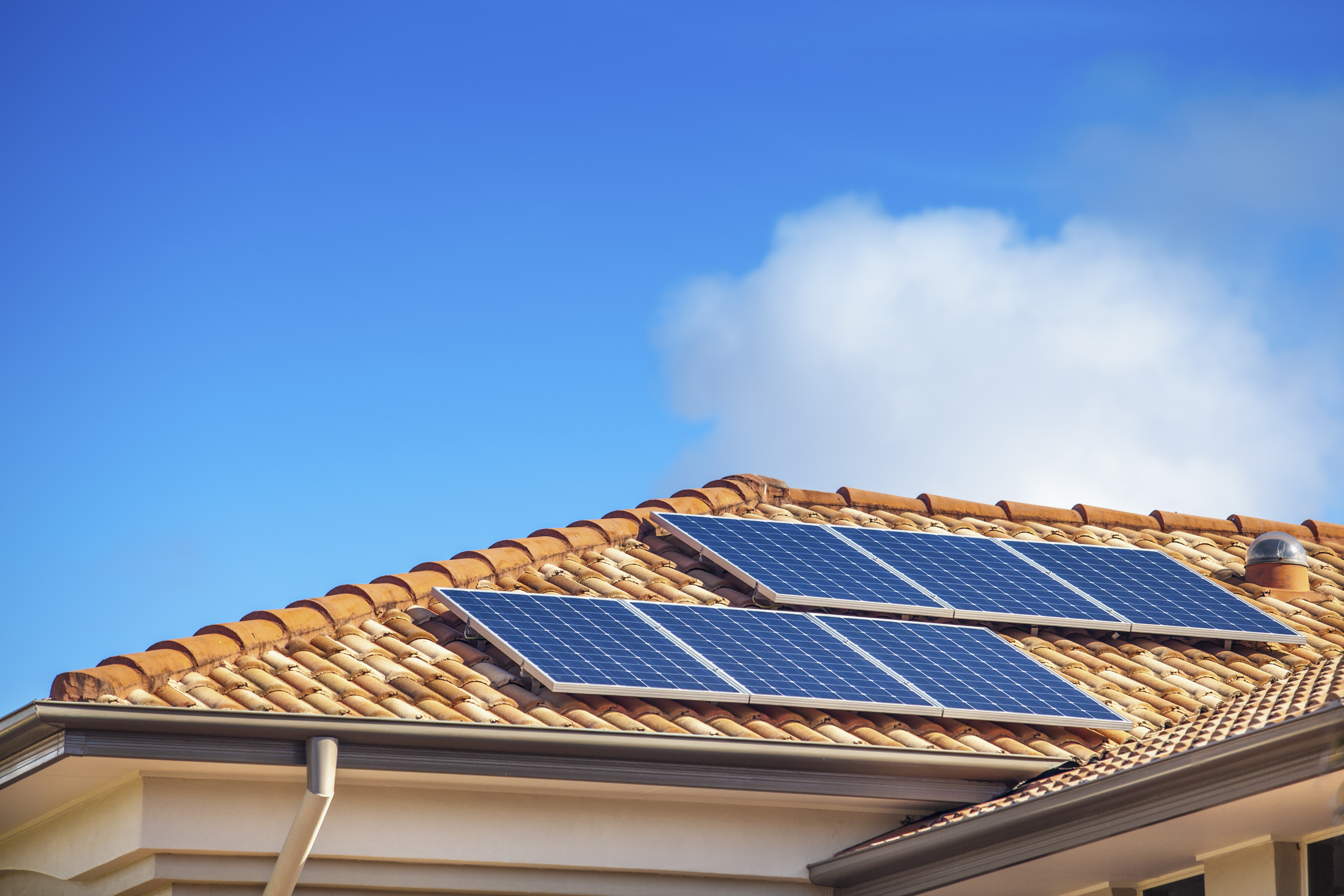
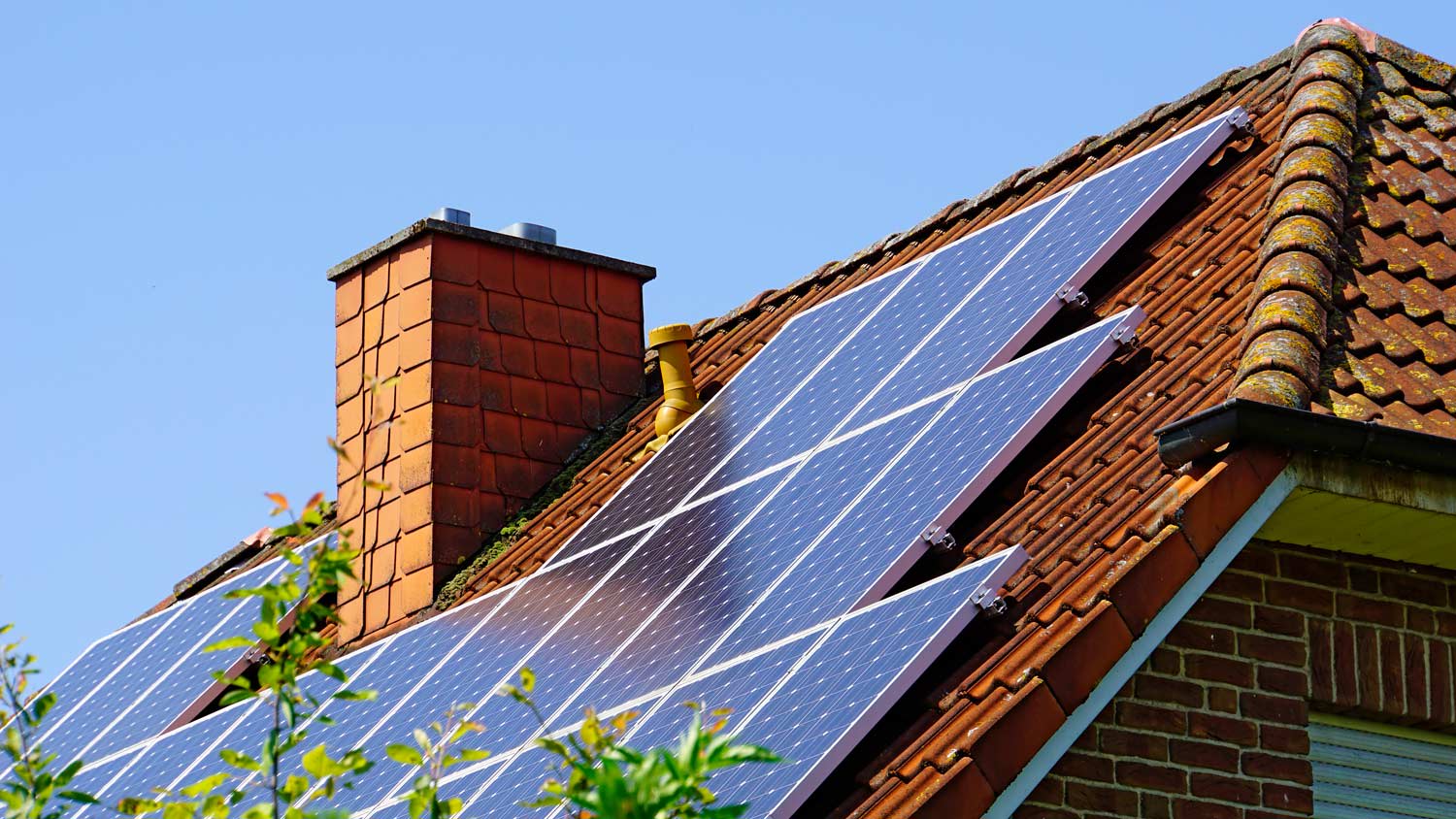
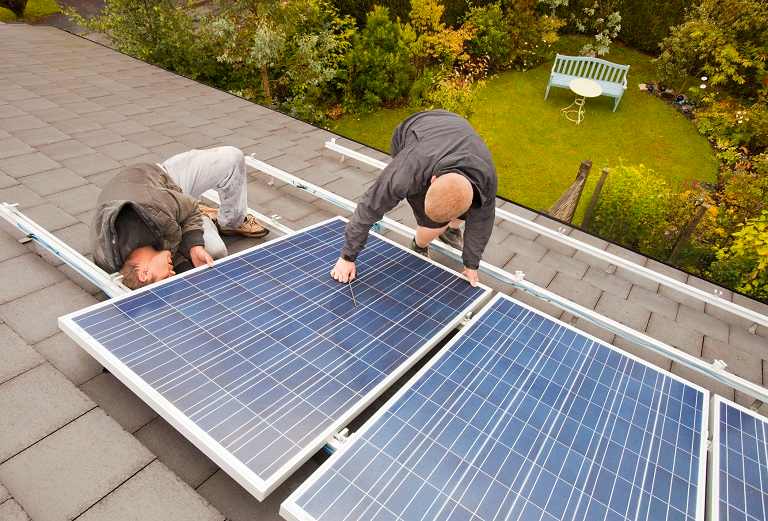
Installing solar panels involves drilling small holes in your roof to secure the solar panel mounting brackets. These brackets hold the solar panels in place and must withstand strong weather conditions so they’re secured into your roof. However, holes and screws are sealed to prevent leaking and further damage.
You can install solar panels on a metal roof, but it will require some additional thought and care versus a traditional asphalt shingle roof. That’s because heat dissipates off a metal roof differently than asphalt or wood, so you may need to space the panels further from the roof. However, a pro can help you with the details and provide a safe and effective installation.
Solar well pumps range from needing 200 watts of power to as much as 12,000 watts for heavy-duty pumps. Since the most common and cost-friendly solar panels are 100-watt panels, you’ll need between two and 12 panels. The average is between two and eight panels for standard pumps. Based on the average cost of solar panels ($1 to $1.50 per watt), you’d pay between $200 and $1,800 for your well pump solar panels—not including installation.
The Eureka, SD homeowners’ guide to solar panel services
From average costs to expert advice, get all the answers you need to get your job done.
There are a few factors to consider when it comes to solar panel repair costs. This guide breaks down the prices of solar panel removal, repair, and replacement.
Find out how much it costs to remove solar panels, including average prices, key cost factors, and tips to save money on your solar panel removal project.
Residential solar panel dimensions can vary slightly from brand to brand, but this guide can help you understand the basics and choose the best option.
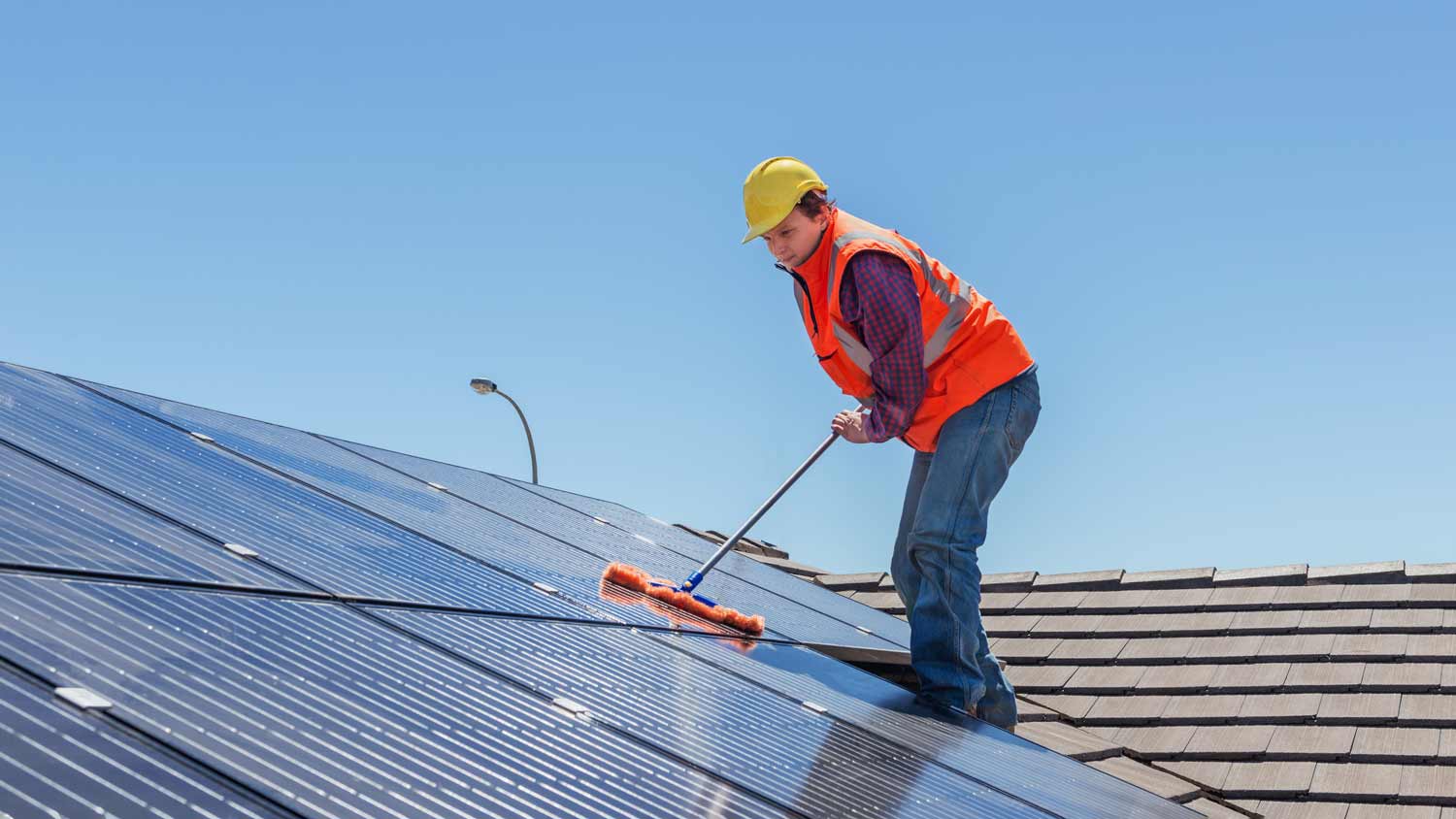
Solar panels are low-maintenance but occasionally require some elbow grease. This guide will help you learn how often solar panel maintenance is required.