"Traven and Rory were excellent. Very polite, sociable and conscientious. They performed gutter repair and cleaning. Owners of this business are very customer centric."
Here at Custom Cut Construction we are dedicated to providing you with exceptional customer service. We specialize in all areas of siding from vinyl to metal to wood we�ll be there to make sure it�s done right the first time. We can also take care of your framing installs and repairs as well as exterior paint work. We have just opened business this year and are backed by over 20 year�s experience. Please give us a call today and set up your free no obligation estimate.
Yes, you can use a pressure washer to effectively clean debris, dirt, and grime from your gutters, but it must be done with caution to avoid damage. Always use a low-pressure setting, with a recommended range between 1,200 and 1,800 PSI. Excessive pressure can bend or dent aluminum gutters, damage seams, peel paint, or even knock shingles off your roof, potentially leading to leaks and moisture issues. For a safer alternative, consider soft washing or cleaning them by hand. When using a pressure washer, it is safer to use gutter elbow extensions from the ground rather than climbing a ladder, as the force can cause instability. Due to the risks, you may want to hire a licensed and insured contractor for the job.
Yes, it is generally considered safe to use a leaf blower to clear debris from gutters as long as you are wearing safety goggles and gloves. It's also necessary to have a gutter extension tool. In cases of severe clogs, it's necessary to manually clear debris that cannot be removed by the pressure of the leaf blower. Homeowners should be aware that the incredible power and speed of the output of a leaf blower can blow debris into downspouts. When this happens, water won't be able to flow through the gutters properly. For this reason, many homeowners hire professional gutter cleaners.
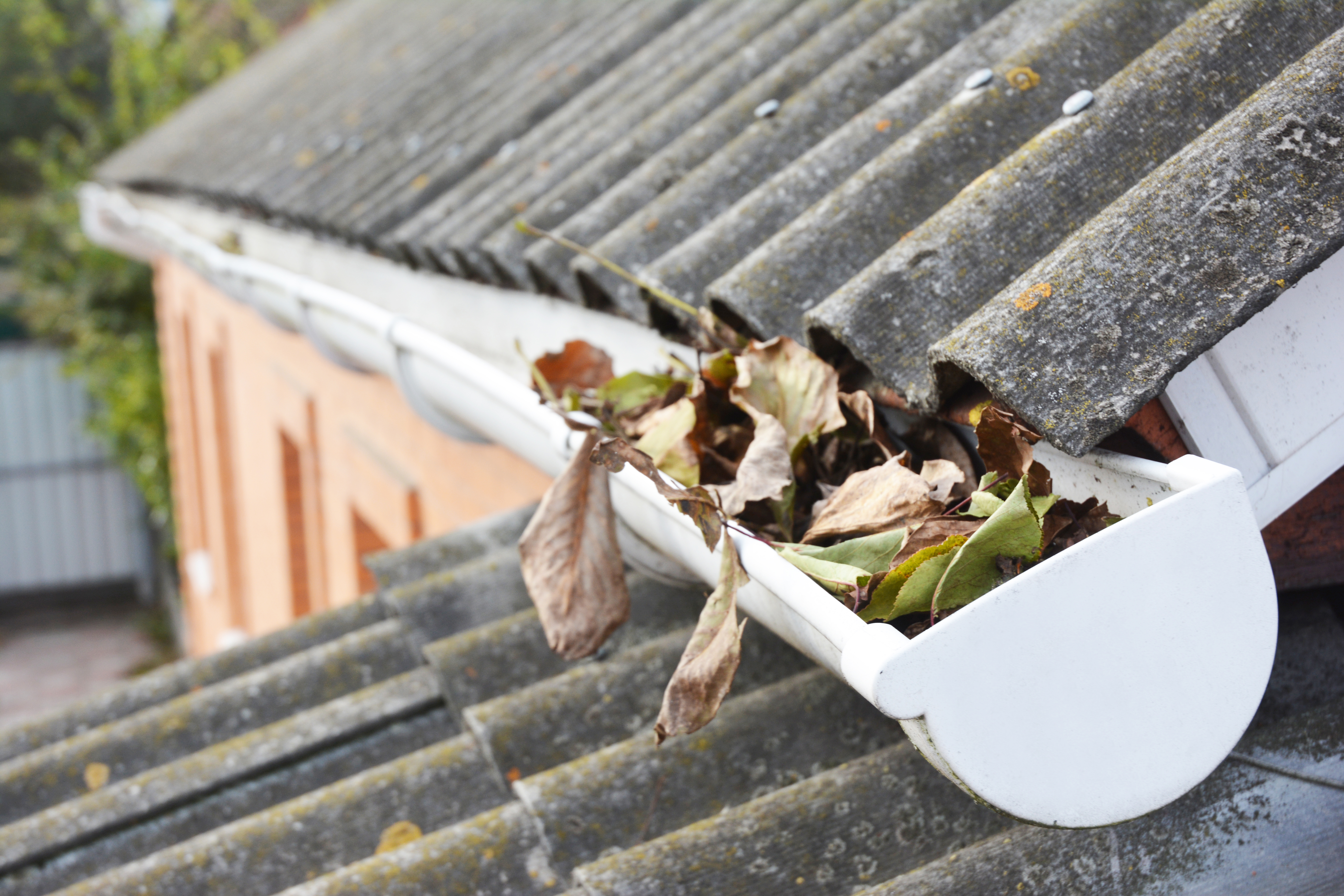
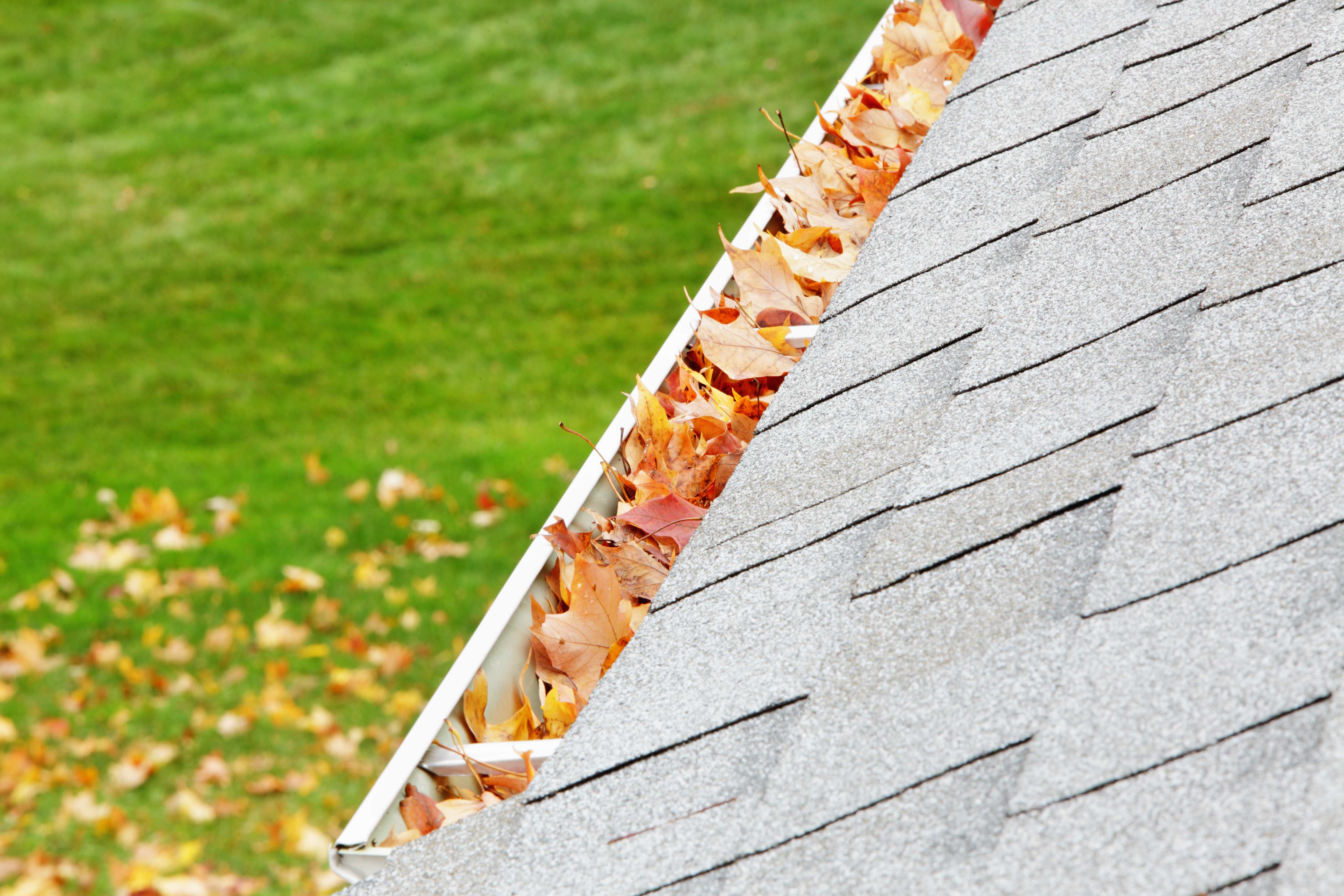
The most common problem with gutters is clogging from debris like leaves, blossoms, and seeds from surrounding trees. This debris can block downspouts, leading to improper drainage and water overflow.
Other common issues include:
Leaks and holes, which can often be repaired with gutter sealant or caulk.
Rust, sagging, or detachment from the roofline.
Damage from strong storms.
Improperly pitched gutters that don't drain correctly.
Regular cleaning in the spring and fall is the best way to prevent most of these problems. You may need to clean them more often during periods of heavy leaf fall.
The kind of gutter guards you have will affect how often you need to clean them. The more basic type of gutter screen requires cleaning once or twice a year. With a micromesh screen, you may be able to extend the time between cleanings to every two years or so.
However, if you have trees near your roof, you’ll need to clean your gutters more frequently, especially if you have chicken-wire or colander-type gutter guards. If you have pine trees near your roof, you may even need to clean your gutters quarterly, as tiny pine needles can get through any type of gutter guard.
Yes, it is okay to knock down icicles yourself. Just make sure to take the proper safety precautions. If you’re not comfortable doing it yourself, contact a roofing professional.
The Dupree, SD homeowners’ guide to gutter cleaning services
From average costs to expert advice, get all the answers you need to get your job done.
This guide to gutter cleaning costs provides estimates for cleaning different types of gutters, tips for saving money on gutter cleaning, and answers to how to clean gutters.
This guide on how to clean the outside of gutters offers tips for how to remove debris, grime, black spots, and streaks from gutters to get them to last as long as possible.