

Top-rated asbestos removal specialists.

Best asbestos removal specialists near Chamberlain, SD

Enter your zip and get matched with up to 5 pros

Need a pro for your asbestos abatement project in Chamberlain, SD?

Select your specific project to find the pro for you.

Top-Rated Asbestos removal specialists in Chamberlain - Updated Nov 2026

No results for Asbestos removal specialist in

Try adjusting your search criteria.
Asbestos Removal FAQs, answered by experts

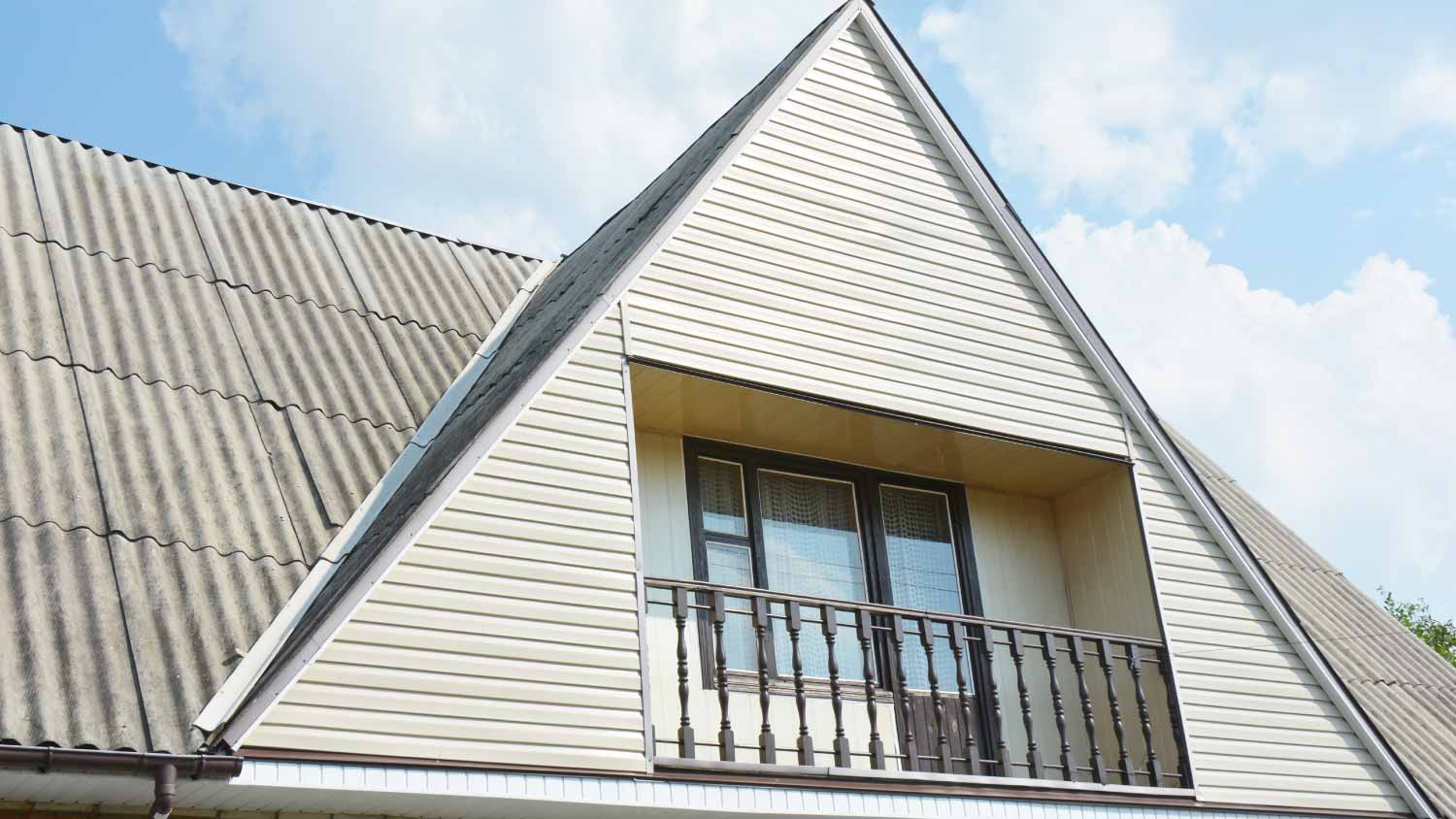
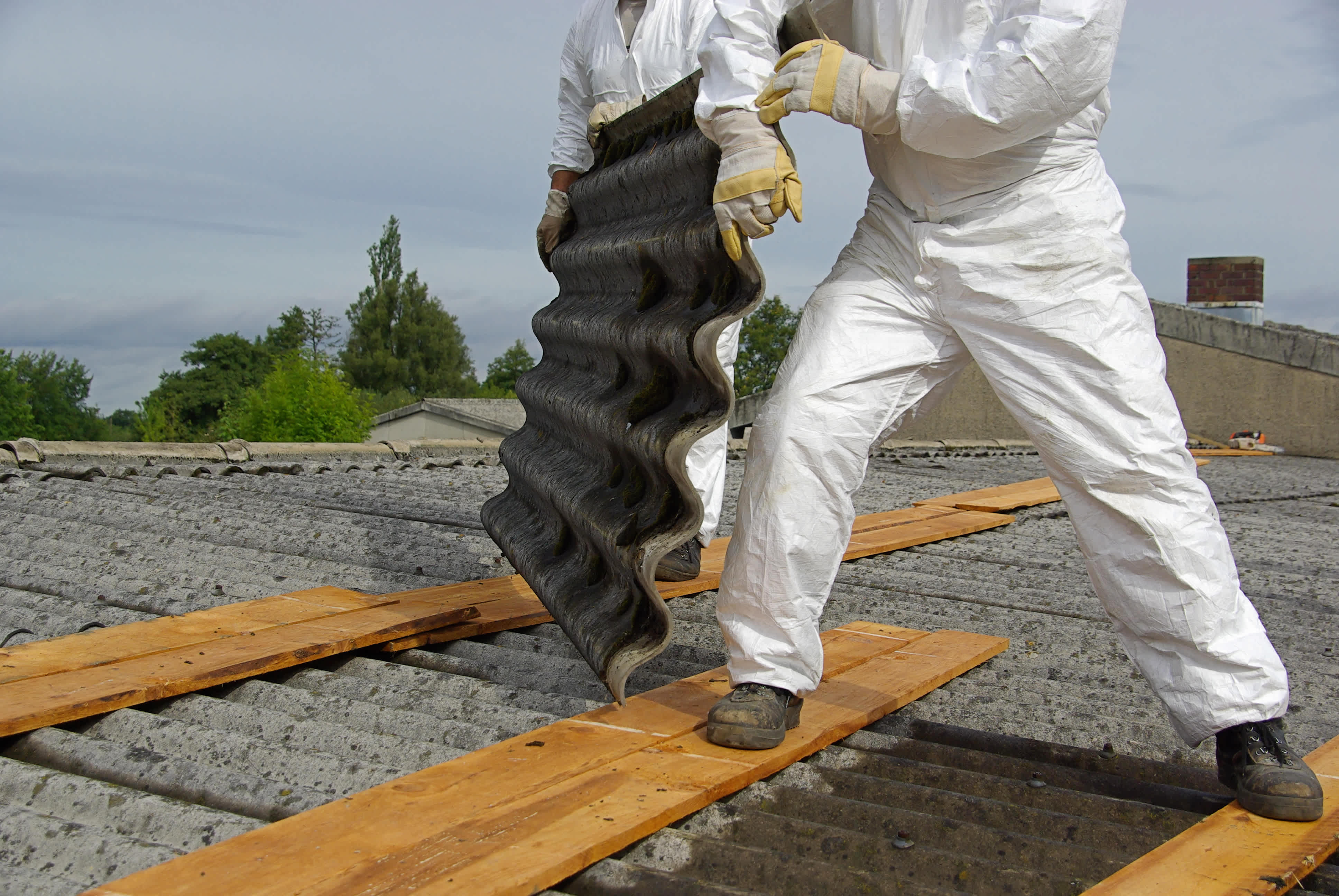
Asbestos itself does not typically leak from a roof. However, if an asbestos-containing roof is damaged or deteriorated, it can release asbestos fibers into the air. This can occur when the roof is disturbed, such as during maintenance or repairs, or due to weathering over time. Exposure to airborne asbestos fibers can be harmful to health, so it is important to address any damaged asbestos roofs promptly and safely.

No, but it’s common that they do. Gravity furnaces weren’t terribly efficient so wrapping either the ductwork in asbestos, the furnace itself, or both, was something done regularly. This allowed the system to retain more heat. At the time, this greatly enhanced the efficiency of the furnaces but it wasn’t until later that we became aware of just how carcinogenic and dangerous asbestos could be.

According to the Environmental Protection Agency (EPA), hazardous waste is generally classified into four main categories:

1. Characteristic Wastes: These exhibit at least one of four hazardous traits: ignitability (flammable, like gasoline), corrosivity (can rust or decompose materials, like car batteries), reactivity (unstable and can explode, like aerosol cans), or toxicity (harmful when ingested, like lead-based paint).

2. Listed Wastes: These are specific wastes from manufacturing and industrial processes that the EPA has officially designated as hazardous. They include byproducts from processes that use solvents, pesticides, and other chemicals.

3. Universal Wastes: These are commonly generated hazardous items that are subject to streamlined regulations. Examples include batteries, pesticides, mercury-containing equipment (e.g., bulbs), and some lamps.

4. Mixed Wastes: This category includes waste that contains both hazardous and radioactive components, making it subject to regulation by both the EPA and the Nuclear Regulatory Commission.

Epoxying over asbestos tiles is generally considered a safe option when done correctly. Epoxy acts as a sealant, encapsulating the asbestos tiles and preventing the release of asbestos fibers into the air. The key is ensuring that the asbestos tiles are in good condition, firmly adhered to the substrate, and not damaged or deteriorating. This method is only appropriate for tiles that are undamaged and securely in place. If the asbestos tiles are already loose, damaged, or deteriorating, encapsulating them with epoxy may not be a sufficient solution, as it might not address the potential for ongoing asbestos exposure.

If you think you’ve touched asbestos, do not put on a mask. This is important because you may take the asbestos fibers on your hands on trap them in the mask. Make your way to a sink and wash your hands thoroughly. Remove any clothes and seal them in a bag, then take a shower. Call your doctor and let them know you’ve been exposed to asbestos, and make sure you see them as soon as possible. The reason you keep the clothes is in case anyone wants to confirm the presence of asbestos.

The Chamberlain, SD homeowners’ guide to asbestos removal services

From average costs to expert advice, get all the answers you need to get your job done.