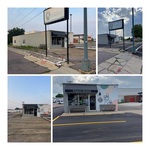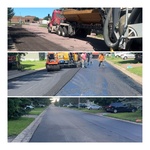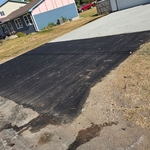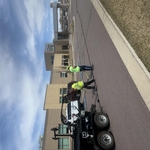



Top-rated driveway sealcoating pros.

Best driveway sealcoating pros near Centerville, SD

Enter your zip and get matched with up to 5 pros

Need a pro for your driveway sealcoating project in Centerville, SD?

Select your specific project to find the pro for you.

Top-Rated Driveway sealcoating pros in Centerville - Updated Nov 2026

Driveway Sealcoating FAQs, answered by experts

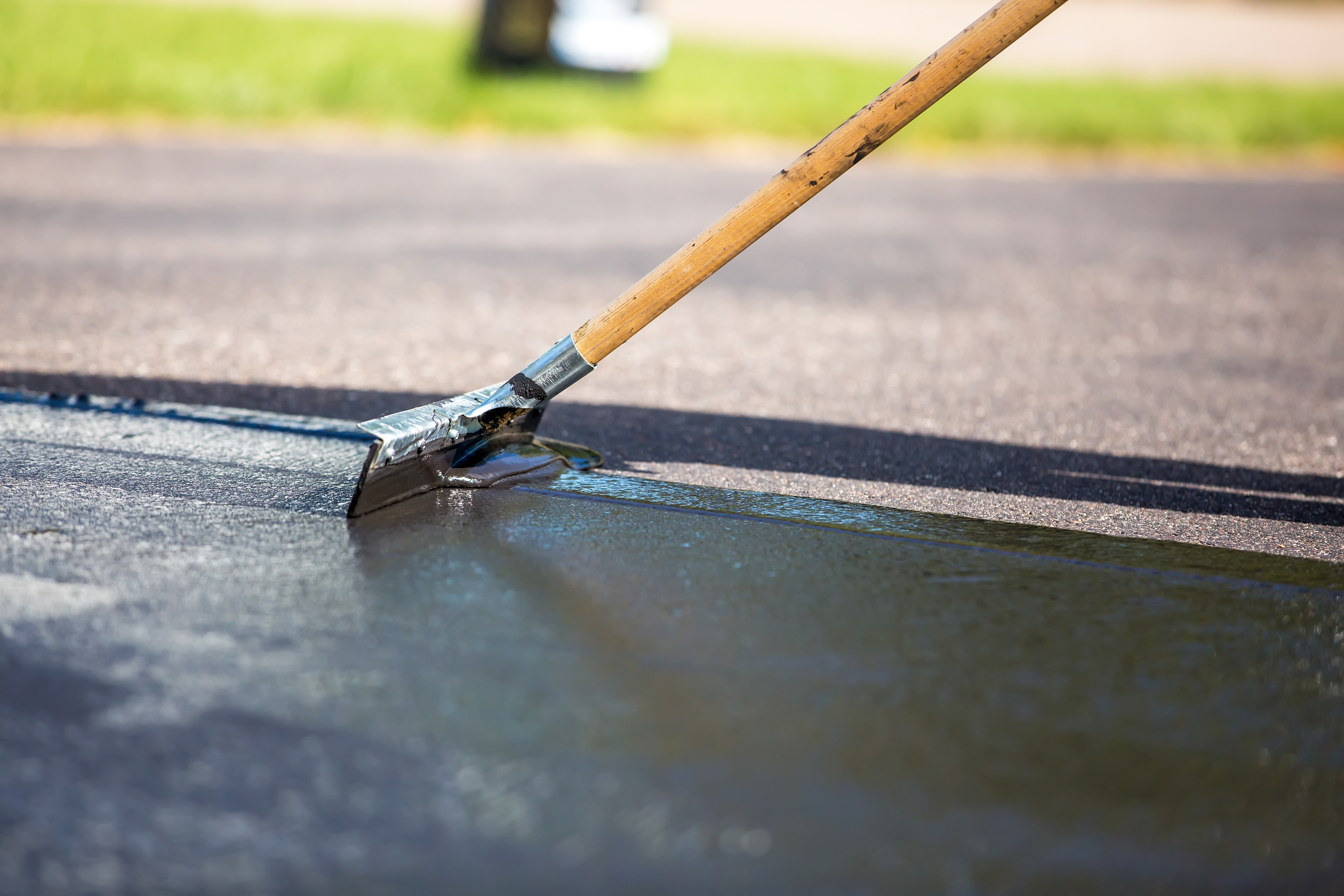
Maintaining a driveway depends on its material. For concrete and asphalt, it's best to clean the surface thoroughly twice a year with a stiff broom and a pressure washer to remove accumulated dirt and debris. Sealing the driveway is crucial to protect it from water damage and freeze-thaw cycles. Before applying a sealant, pressure wash the surface to remove any loose sealant, dirt, or stains, as sealing over them will trap them. Any cracks or expansion joints should be filled with a flexible polyurethane caulk or asphalt sealer. In colder climates, use sand instead of salt for de-icing. Sand helps melt snow and ice without accelerating the freeze-thaw process, which can cause cracks.

Chip seal lasts only 5 to 8 years on average. This lifespan is significantly shorter than asphalt. It is also less durable. Therefore, chip seal driveway only works if the traffic volume is extremely low. Chip seal is also less resistant to storms and hails. As impact builds up, the chips may become misplaced, creating an uneven driving surface that sometimes becomes hazardous and may damage your tires or cause your vehicle to lose balance.

Asphalt dries and cures best between 50 and 85 degrees Fahrenheit. This range allows moisture to evaporate quickly without causing the asphalt to cool too fast, which can negatively affect the drying process. However, keep in mind that other weather conditions can also affect curing and drying times, such as precipitation and humidity.

The three most common types of asphalt are hot asphalt, MC cold mix, and UPM asphalt. Hot asphalt is used most often for paving and patching roadways while it’s hot and workable. MC cold mix asphalt cures more slowly than hot asphalt, but it can be used for temporary patches and repairs in low-traffic areas. UPM is also used cold, but it can be used as a longer-term fix, usable in almost any conditions at almost any temperature.

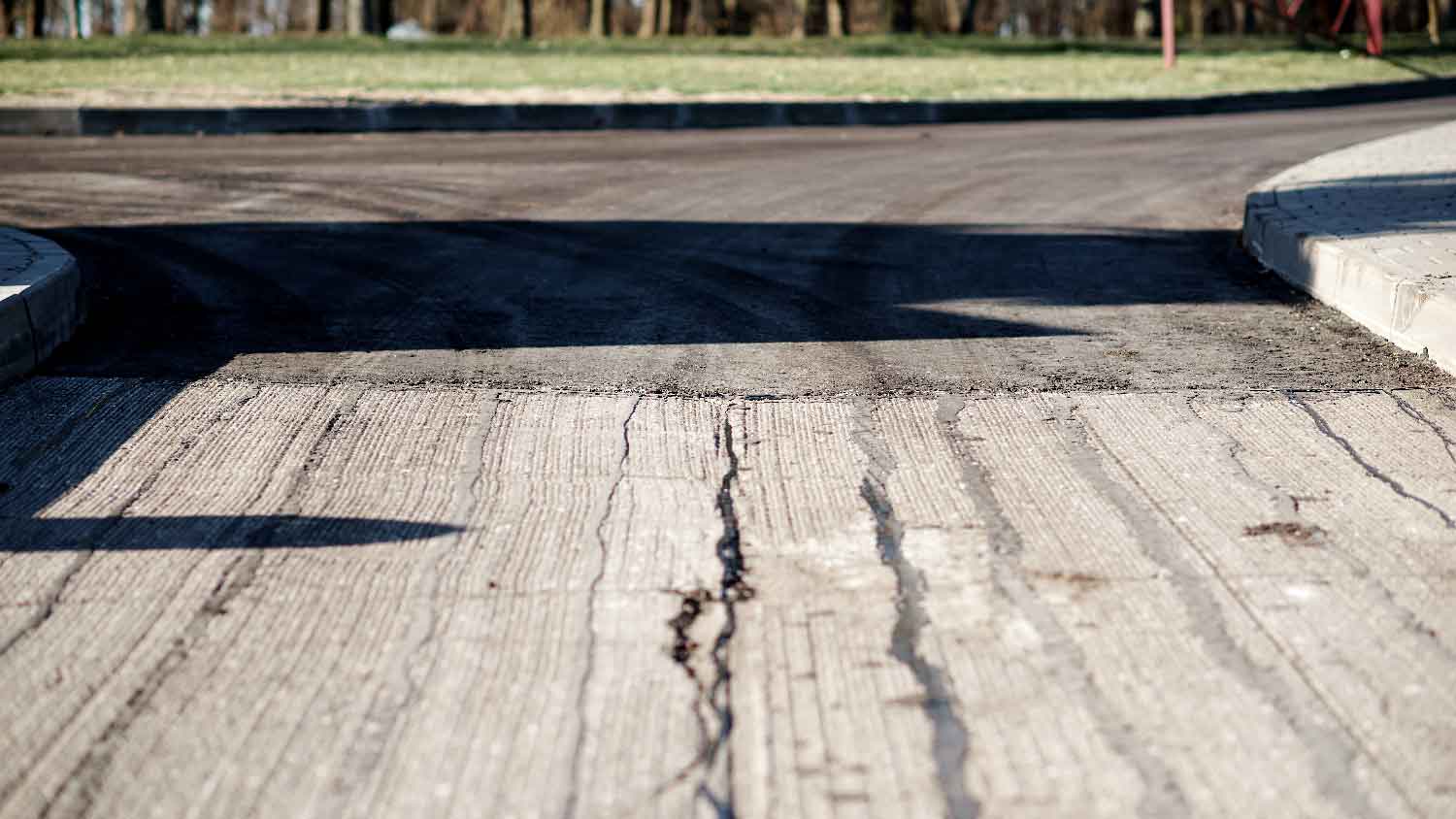
If your asphalt driveway shows cracks, potholes, or standing water, it’s likely time for a repair. Cracks, big or small, let water seep in, weakening the base and causing further damage. Potholes are a sign of this weakening process in action while standing water suggests your driveway has poor drainage, which can cause even more issues. You may also see warping or buckling—a sign of a compromised base layer—or sinking pavement. Spotting these signs early on can help you save yourself a bigger repair bill in the future.

The Centerville, SD homeowners’ guide to driveway sealcoating

From average costs to expert advice, get all the answers you need to get your job done.