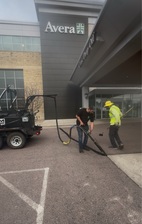
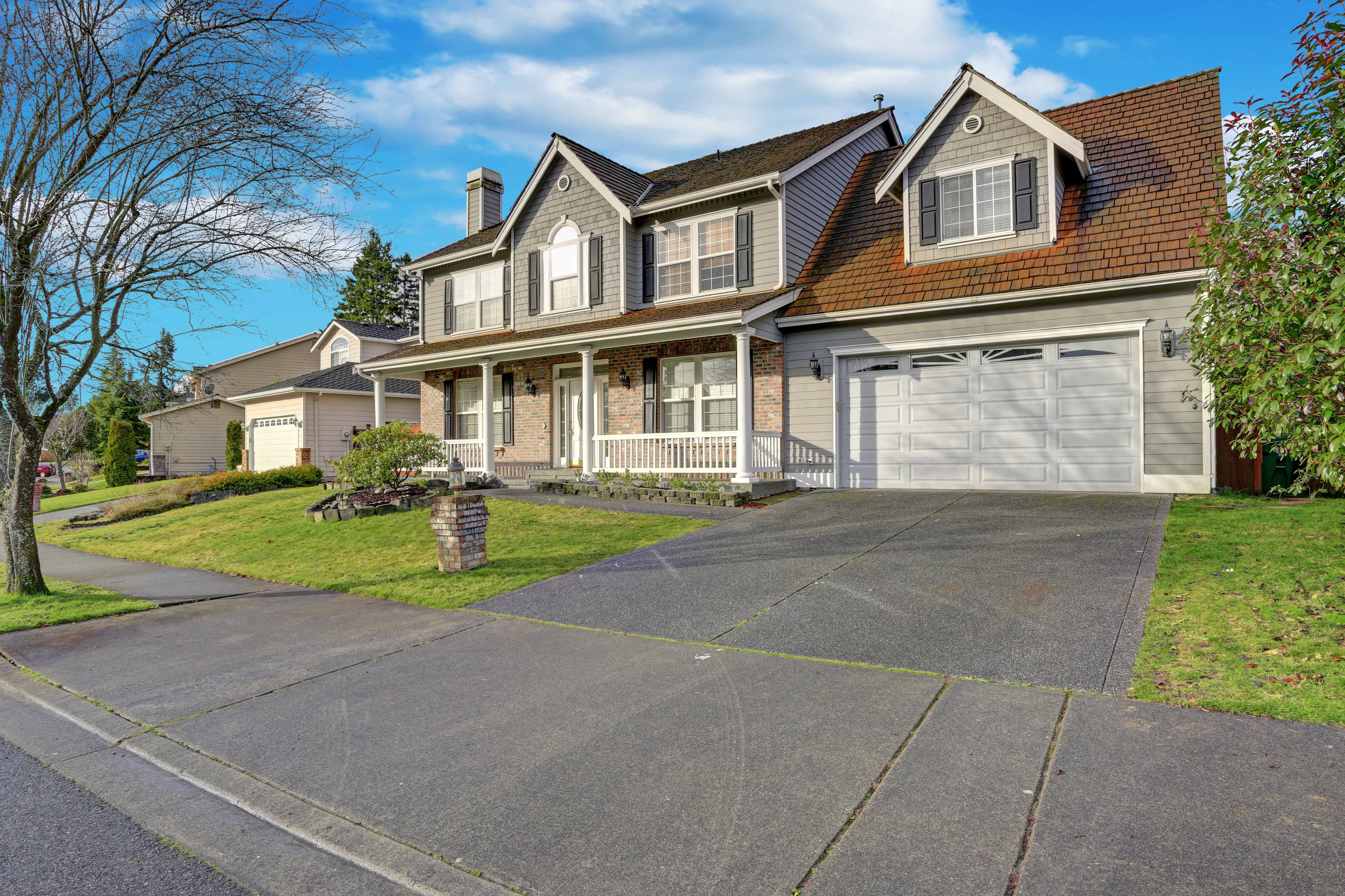
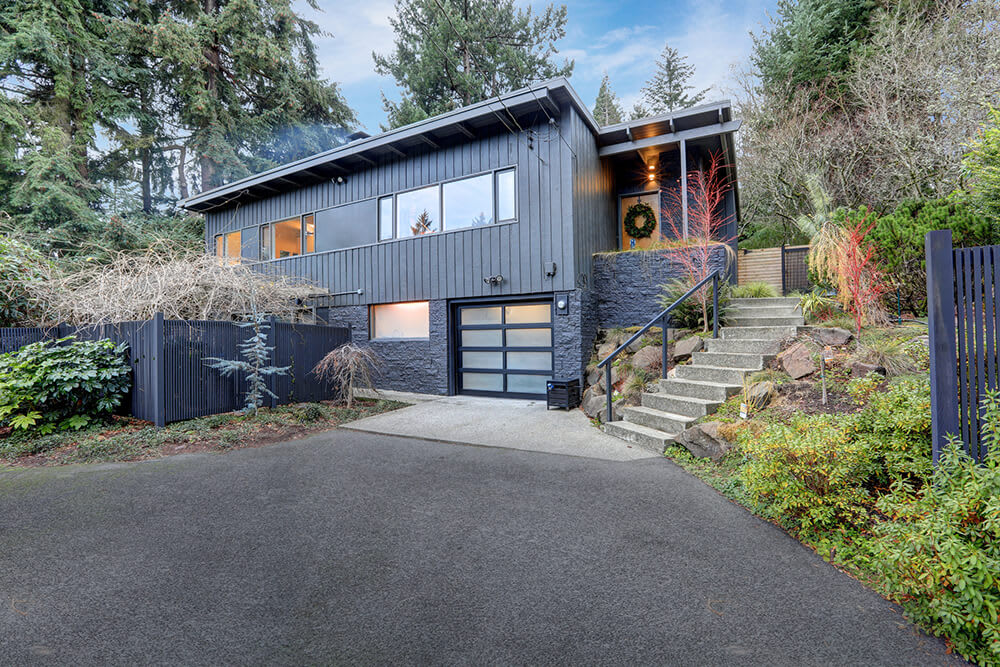
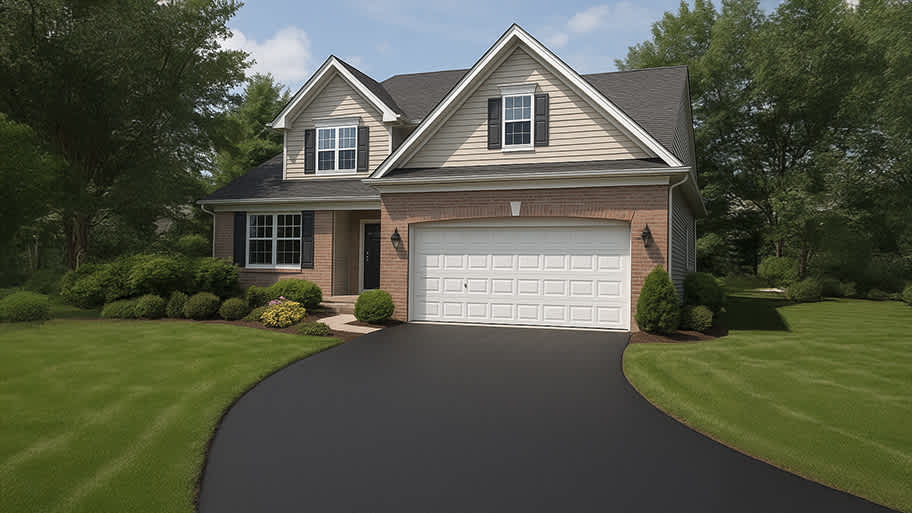
Customer satisfaction is what determines our success, which is why we take a hands-on approach. When interacting with Alpha Asphalt, you'll notice that we're particularly focused on the principles of quality workmanship, timely completion, competitive pricing and integrity in all our business dealings. We combine knowledge and research with our extensive practical experience to ensure a specialized approach for your project needs. Contact us today for a fair and accurate estimate of your project. We look forward to adding you to our long and growing list of happy customers.
\n
Since 2009, we have been specializing in exterior painting! We guarantee your satisfaction and we won’t leave until the job is done right. We pride ourselves on the quality work we provide, while delivering great customer service! We also accept Cash App, in addition to cash, check, and credit/debit cards. Check out our services offered and call or click to schedule a free estimate today! \n
Driveway Sealcoating questions, answered by experts
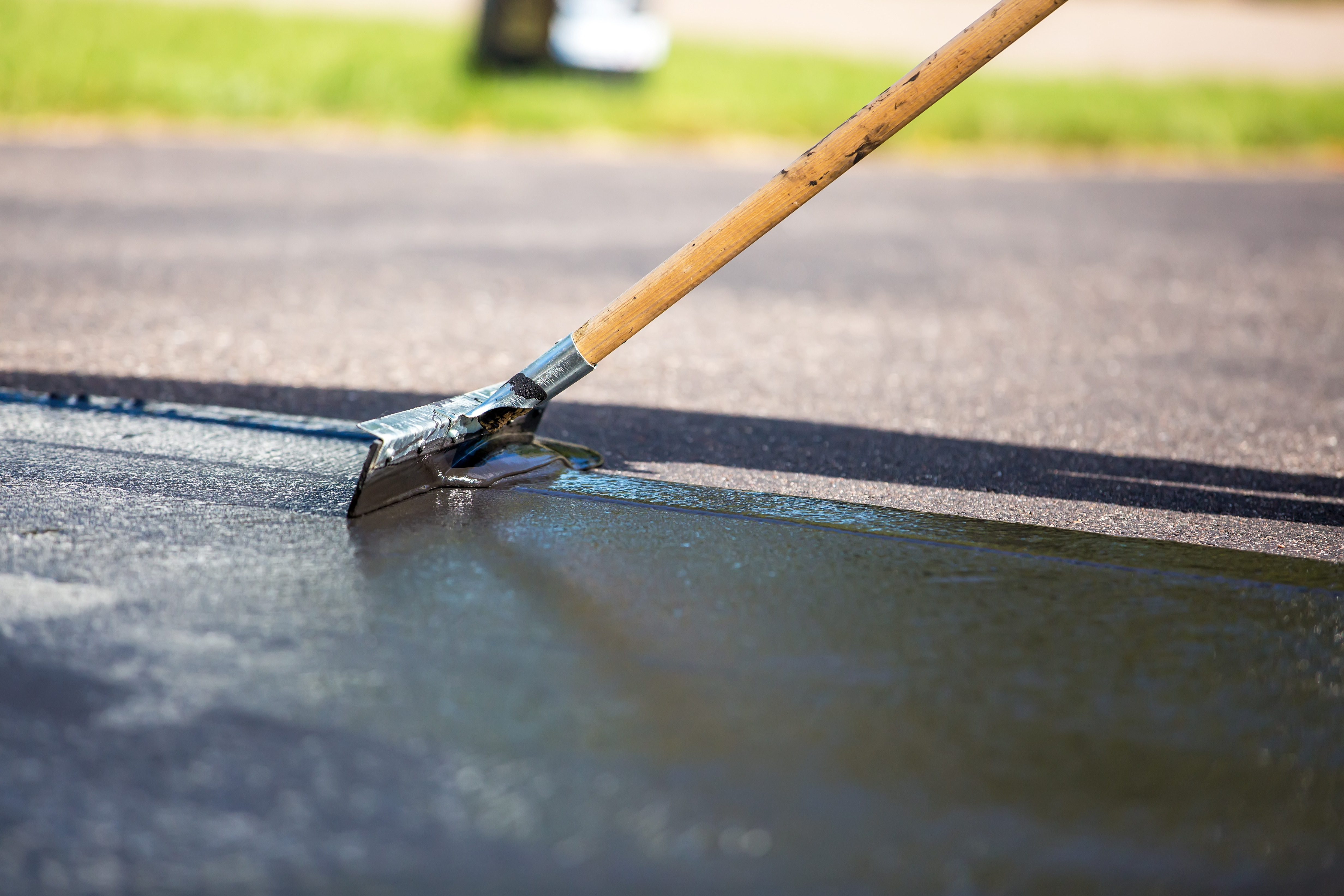
Most sealing projects take 1-2 days, including drying time before allowing traffic.
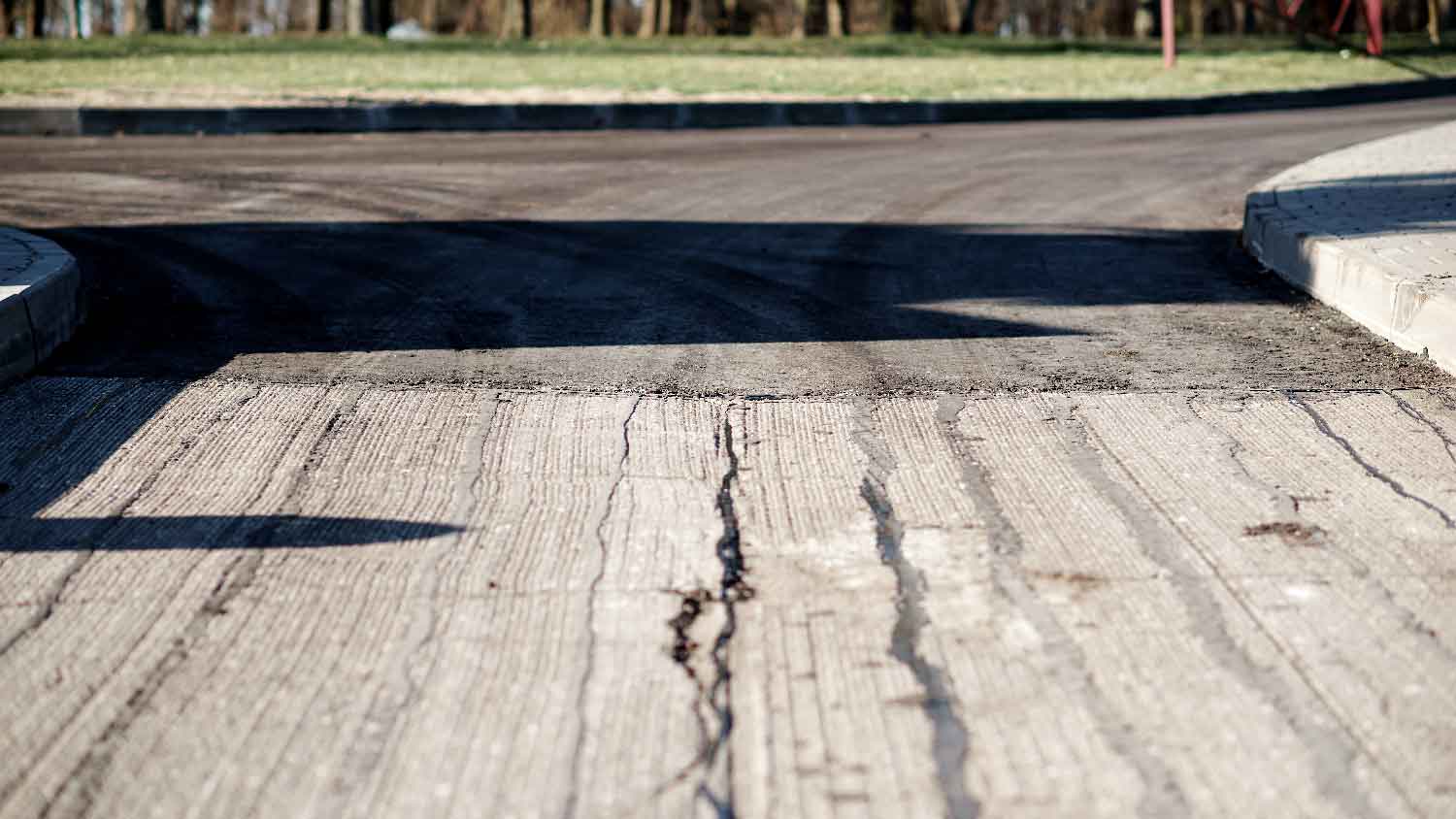
Whether you should resurface or replace your asphalt driveway heavily depends on its condition. If the foundation is solid and the damage is minor, resurfacing is your best bet because it’s more affordable and faster than replacing the driveway. But if your driveway has foundational problems and/or severe damage, like large, deep cracks and potholes, then it makes more sense to replace it.
Costs depend on lot size, sealant quality, labor, and any additional surface preparation.
If you notice minor cosmetic problems with your driveway, you should seal it. Look out for cracks and holes on the surface, faded asphalt or concrete, and stains from oil and other chemicals. Replacing your driveway may be necessary if you’re dealing with significant problems—¼-inch cracks, large potholes, and puddles from drainage issues. The cost to install an asphalt driveway typically ranges between $4,200 and $9,000, significantly more than resealing. Consider talking to a professional to discuss whether resurfacing your driveway—a midway project between resealing and replacing—is a better option for you.
Yes, most professional repair services include the application of sealants for weatherproofing or waterproofing. This process helps protect the repaired area from moisture, weather damage, and future wear, which can improve durability and energy efficiency. It is always best to confirm with your contractor or service provider if sealing is included in their repair process.
The Alcester, SD homeowners’ guide to driveway sealcoating
From average costs to expert advice, get all the answers you need to get your job done.
Driveway extensions can provide valuable parking and recreation space and add to the value of your home on resale. Find out how much driveway extensions cost.
Learn how to find a top-rated asphalt driveway sealing pro by checking credentials and asking the right questions to ensure your pavement is protected.