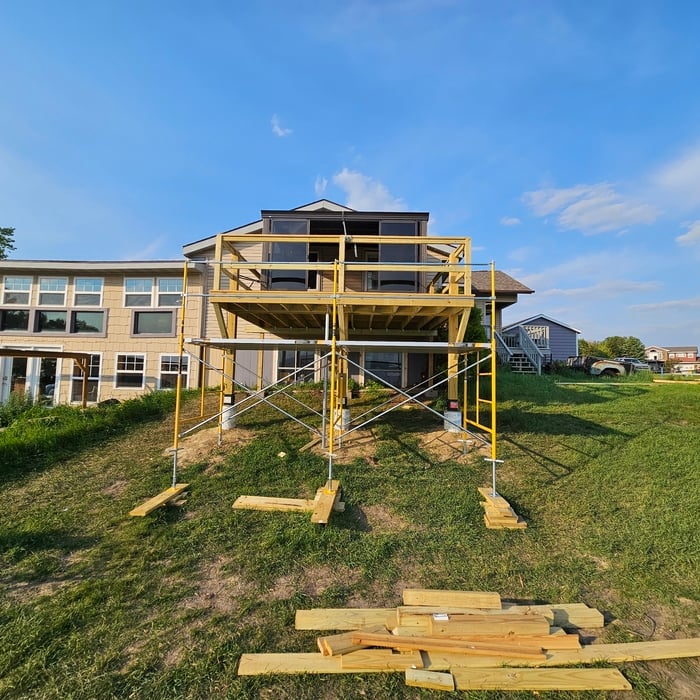
We are a locally owned and operated company with over 7 years of industry experience. We value honesty and integrity in all aspects of our business. We offer a variety of home improvement services that are customizable to each individual project. We specialize in drywall work and a variety of related service and repair projects. We pride ourselves on the quality of our work as well as our commitment to outstanding results. We look forward to building lasting relationships with our clients and guarantee your satisfaction!
Over 10 years in both commercial and residential construction, we can handle any job, big or small. From new construction to remodeling, we can help. Quality, customer satisfaction, and safety are our top priorities.
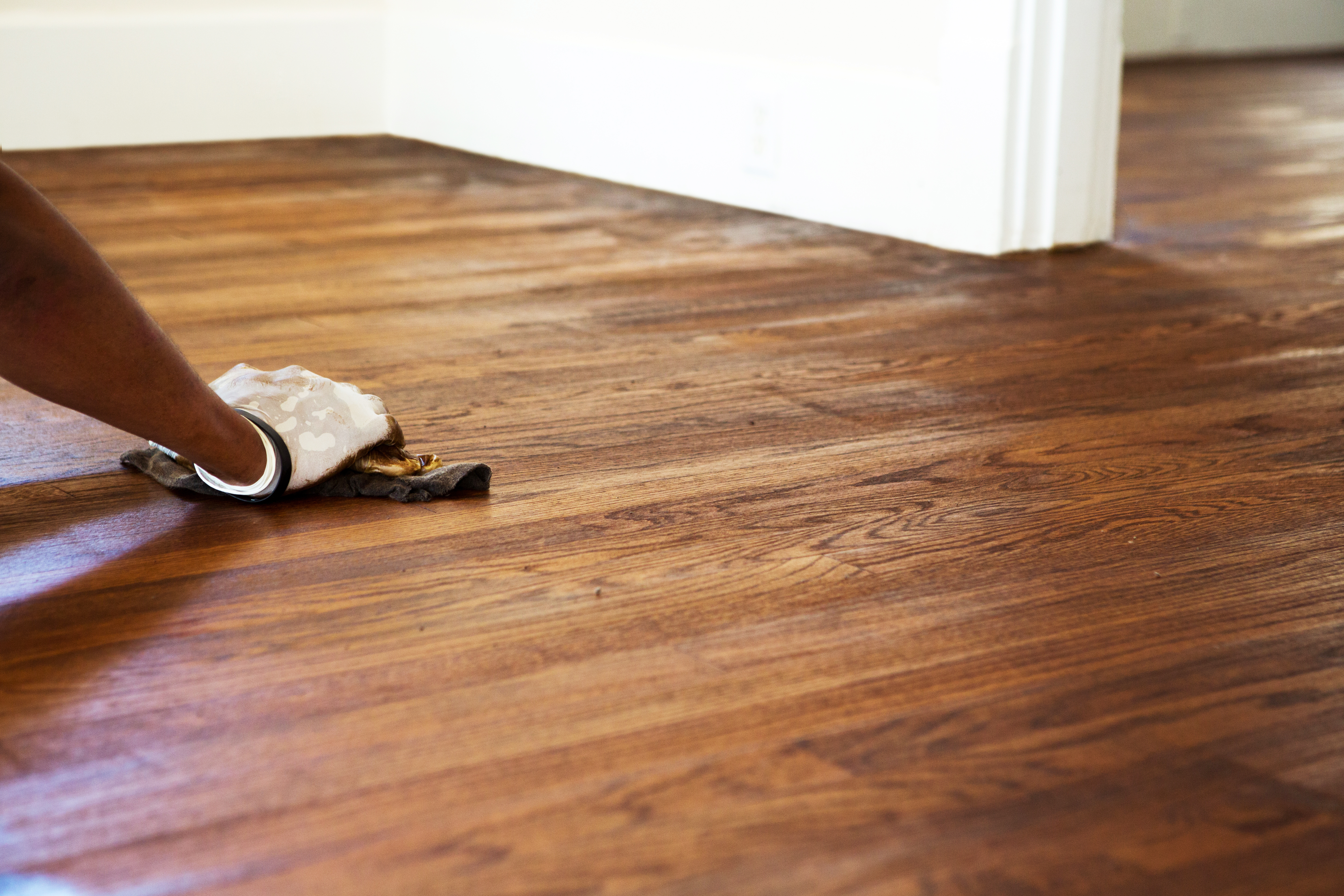
N-Hance Revolutionary Wood Renewal is an innovative, affordable cabinet and floor renewal service that renews your wood cabinets and floors without the dust, inconvenience and noxious fumes associated with traditional refinishing methods. In many cases, the process can be completed in just one day! There is no longer any reason to wait to renew that beautiful wood in your home.
Dakota Flooring is committed to excellence in every aspect of our business. We uphold a standard of integrity bound by fairness, honesty, and personal responsibility. Our distinction is the quality of service we bring to our customers. Accurate knowledge of our trade combined with ability is what makes us true professionals. Above all, we are watchful of our customers' interests and make their concerns the basis of our business.
\n
David Ferguson's construction business is dedicated to quality and outstanding customer service. Our job is to provide you with quality service at a great price. Please don't wait call us today.
When planning for land survey costs, you should consider the following elements as major contributors to the overall cost:
Size of your property in terms of acres or square feet
Complexity of the terrain in terms of hills, elevation changes, rocks, water, and other features
Type of survey you need (boundary survey, topographic survey, or a combination of survey types)
Distance traveled for the professional surveyor
A land survey provides precise property boundaries, reveals legal encroachments, and identifies rights-of-way, minimizing disputes. Understanding the exact dimensions and features of the property aids in informed decision-making and safeguards the buyer's investment.
Surveys completed by licensed surveyors can be recorded with a local surveying records office, and in most cases, they will be. Filing survey reports categorize them as legal documents, and they can be used whenever legal documentation of your property’s boundaries is needed. While you’re not required to file survey documents, it’s a good idea to do so.
If you can’t find any records online, you’ll need to contact your county clerk’s office to do further research. They should have property records on file, or can at least point you in the right direction of who to contact. You can also speak with your neighbors about when their houses were built because they were likely built around the same time.
Land surveys are worth it in several scenarios including selling your home, building an addition, constructing a fence, or making major changes to your landscape. A professional land survey can help you avoid legal issues with your neighbors and confirm the value of your property. In many cases, you may be required to order a land survey to receive a construction permit or mortgage loan.
The Burke, SD homeowners’ guide to floor sanding services
From average costs to expert advice, get all the answers you need to get your job done.
It’s impossible to keep floors damage-free over the years. Thankfully, the cost to refinish hardwood floors is far less than the price tag to replace them altogether.
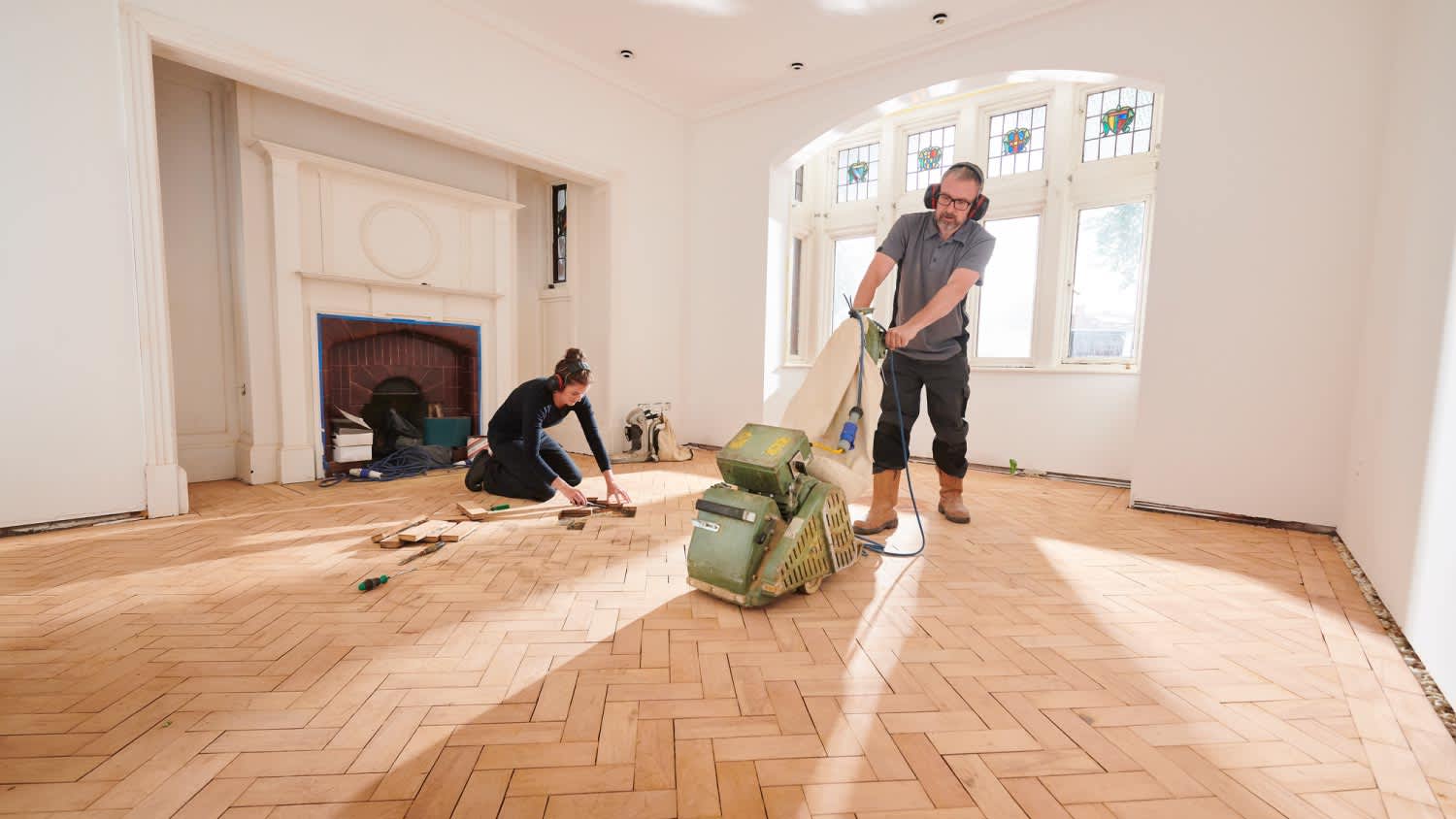
Here’s what you should expect to pay when renting an orbital, drum, vibrating, or edging floor sander—as well as where you can rent them and what else to know.
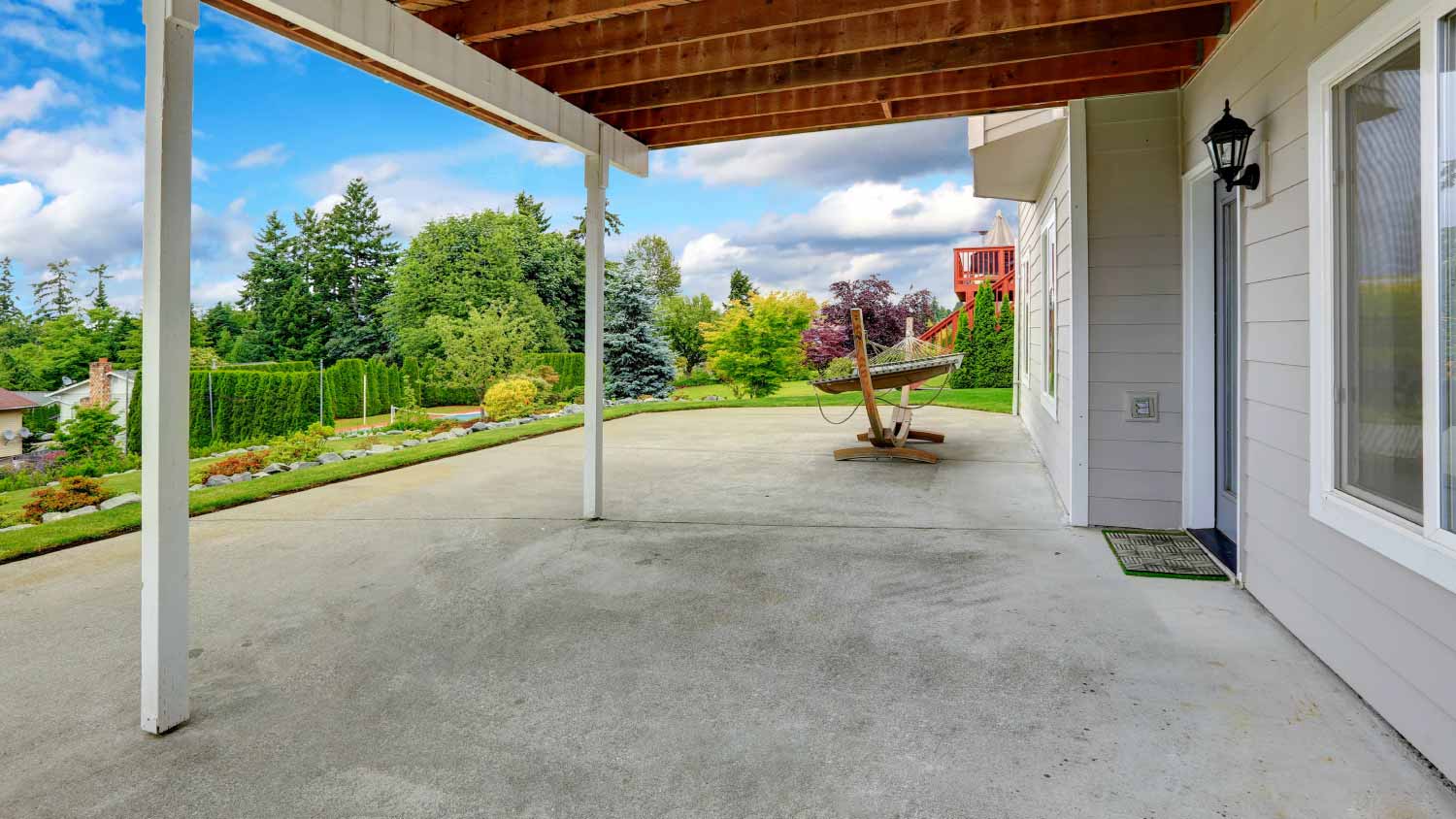
Does your rough concrete need some TLC? Learn how to sand concrete to smooth out holes, chips, and other imperfections to get your concrete looking brand new.