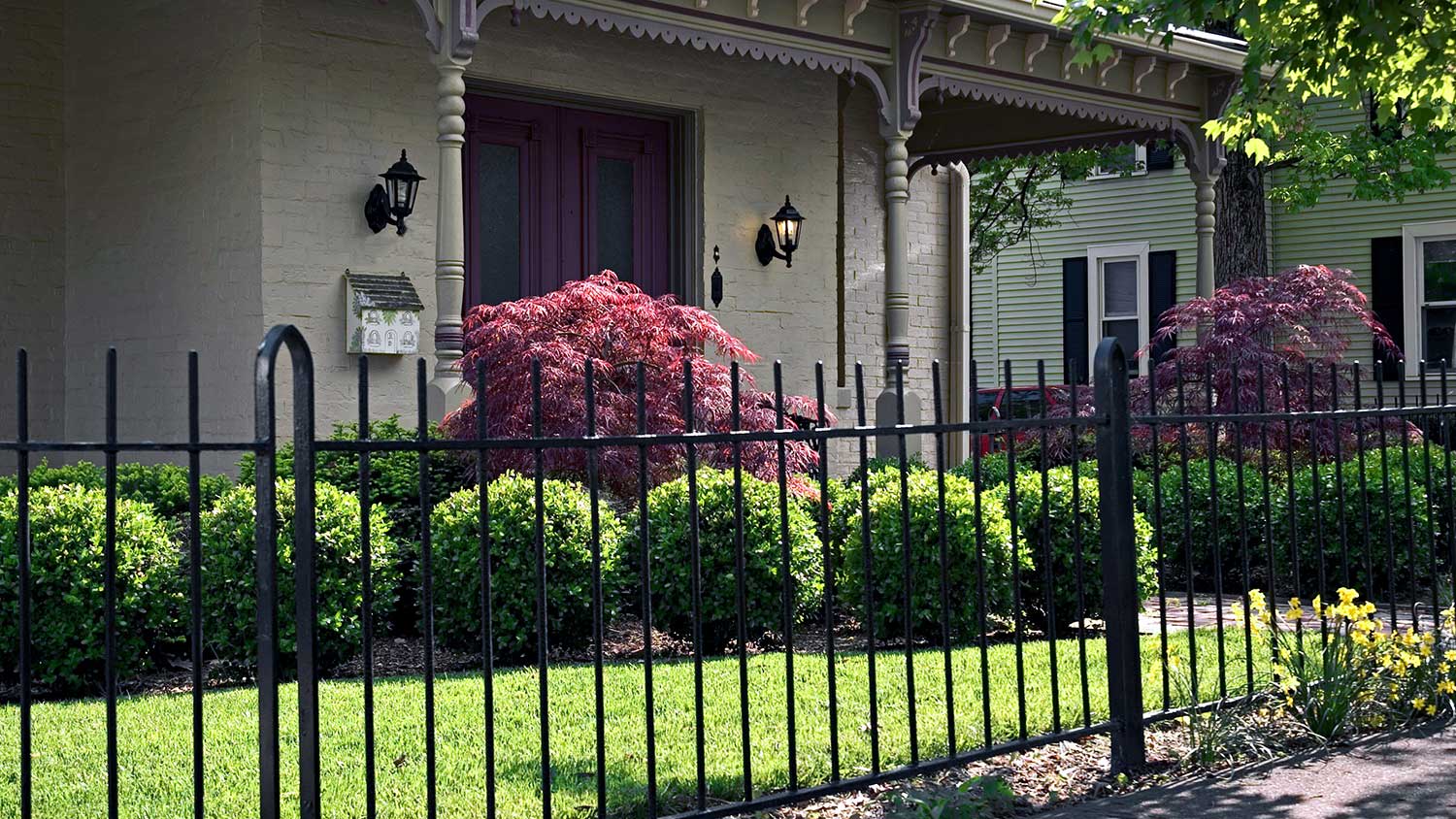
"Not only great prices, but the service was great, fast, and extremely professional. No pun intended. Kevin, my installer, was super nice and he had to come back because I setup the fence over my property line, and he did a wonderful, fast job then, too. I have already recommended Xtreme Fence to everyone who asks about mine. Thank you."
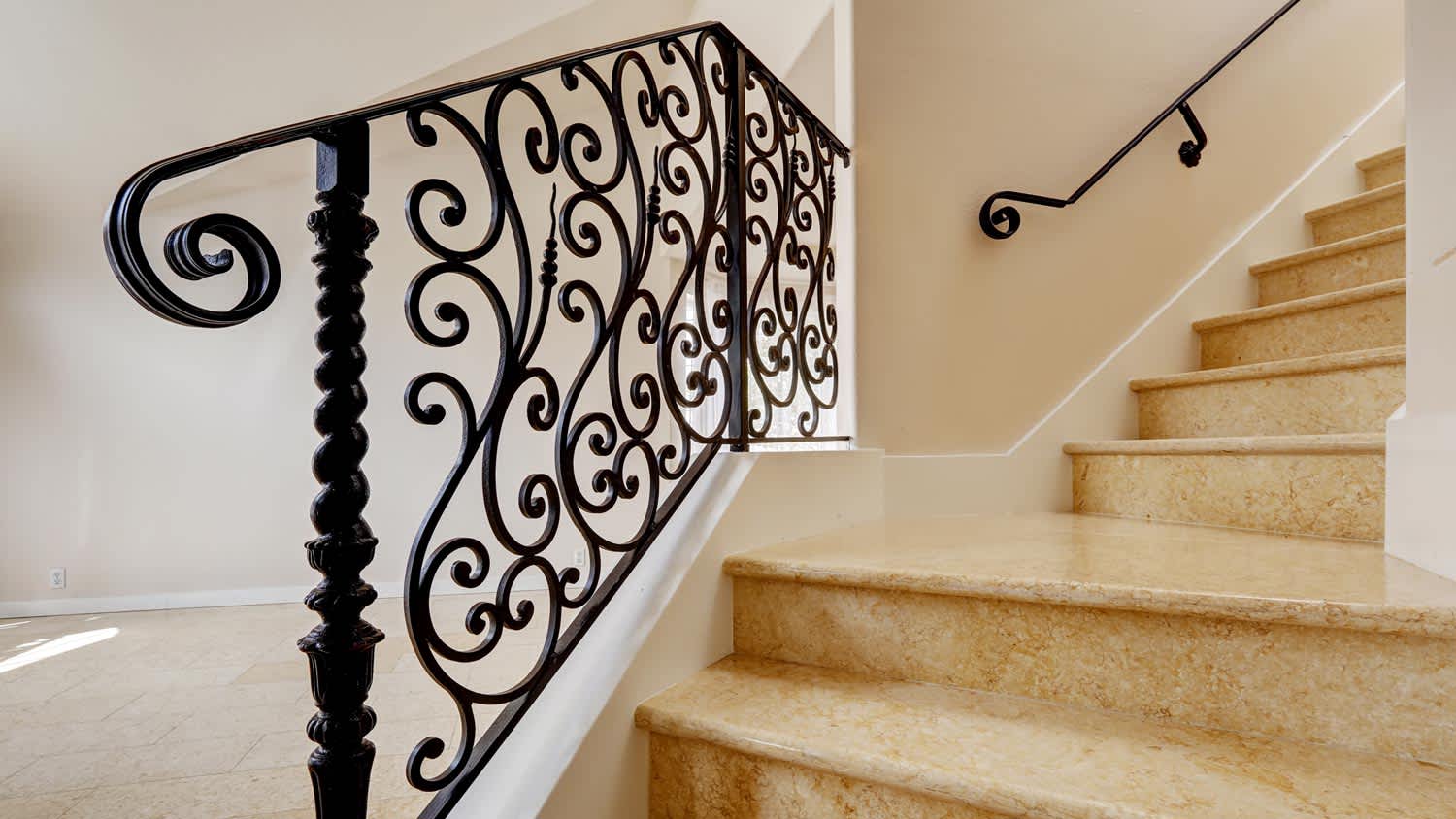
Pictures of the area where you want your handrail installed should help get an accurate estimate. You should also let your professional know how accessible the installation location is, and whether or not there is a pre-existing railing to remove. Also, before contacting the pro, take some time to decide what type of wrought iron you are leaning toward.
Finally, have the overall length of your railing at the ready, so you can discuss prefabricated options versus custom-made options.
You’ll need to bury the garden fence about 1 foot underground. It’s tempting to save on materials by burying the fence just a couple of inches, but if you do so, determined pests will still be able to dig under the fence and access your plants. Burying your garden fence deep into the soil is an important step that allows you to attach a wire barrier to the fencing.
Burrowing animals (like voles, moles, rabbits, and gophers) can’t dig or chew through this wiring, meaning that you’ll be keeping your prized petunias or your robust veggie garden from being eaten.
Yes, fence posts need to be installed below the frost line to ensure stability and prevent heaving caused by freezing and thawing cycles. The frost line is the depth at which soil freezes during winter. By placing posts below this line, often around 3 to 4 feet deep or as recommended for your specific region, you reduce the risk of the ground shifting, which can lead to leaning or unstable fences. Adequate depth provides better anchoring and helps maintain the fence's integrity, ensuring it remains secure and upright throughout changing seasons.
If you hire a fence installer for the project, the time it takes to build a fence is about 20 to 30 hours. Tackling the project yourself will take around 40 to 50 hours. It can take longer if you need to obtain permits, level the ground, remove the old fence, or remove a tree.
The ideal distance between fence posts depends on several factors, including the terrain, the purpose of the fence, and the material used. For different types of fences, here are some general guidelines:
Wood and Metal Fences: Posts should be spaced between 5 and 8 feet apart.
Vinyl Fences: Spacing can be between 6 and 8 feet.
Chain-Link, Mesh, or Lattice Fences: Posts can be set anywhere from 4 to 25 feet apart, with 4-10 feet being common for chain-link.
Wire Fences: Spacing can be up to 12 feet apart.
The Britton, SD homeowners’ guide to wrought iron services
From average costs to expert advice, get all the answers you need to get your job done.
Unsure who to hire to install a wrought iron fence? Compare fence contractors and ornamental iron pros, see how installation works, and choose confidently.